
Plants
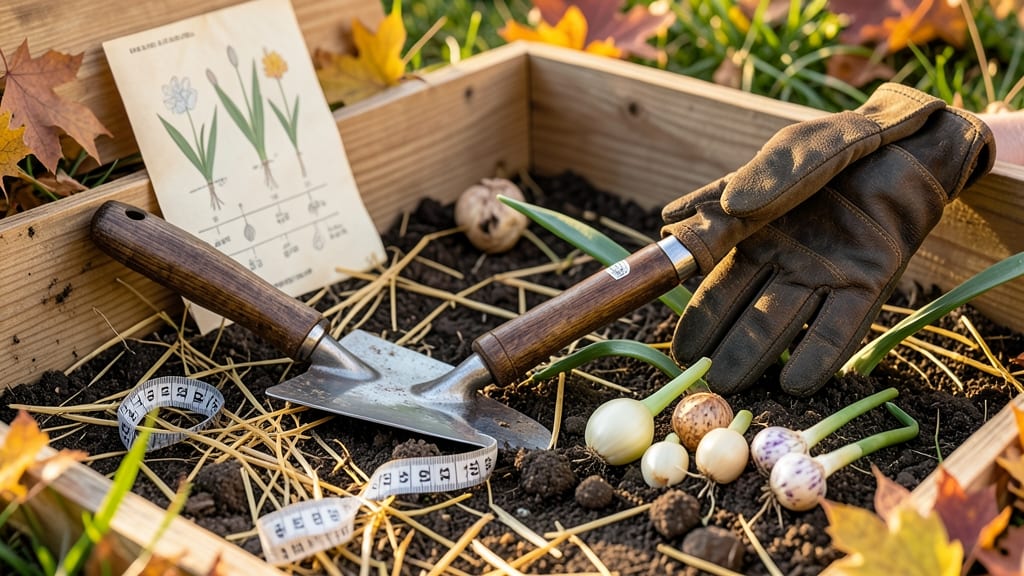
Planting bulbs in Zone 6a at the wrong time can mean the difference between a show-stopping spring garden and a sad, wilted disappointment.
The key to success isn’t just grabbing a few 🌱 bulbs at the store—it’s knowing exactly when to tuck them into the soil so they’ll thrive through winter and burst into color come spring.
For gardeners in Zone 6a, timing is everything. Fall-planted bulbs like tulips and daffodils need to go into the ground 6-8 weeks before frost, while spring-blooming varieties should hit the soil in early March.
But why does this matter so much? Because bulbs need time to establish strong roots before the cold sets in—or before the heat of summer kicks in for spring plantings.
I’ve learned the hard way that planting too early can lead to rot, while waiting too long means bulbs won’t bloom. The good news? With the right schedule, you can ensure your garden becomes a vibrant display year after year.
Let’s break down the exact weeks to plant in Zone 6a, so you can avoid common mistakes and set your bulbs up for success.
Whether you’re a beginner or a seasoned gardener, mastering the timing will give you the confidence to create a garden that wows. Ready to unlock the secrets to perfect bulb planting? Let’s get started.
Exact weeks before frost to plant bulbs in Zone 6A by type
In Zone 6A, where winters dip to 15–20°F, timing your bulb planting is critical. The first frost typically arrives around October 15, giving you a precise window to plant before the ground freezes.
For most spring-flowering bulbs, aim to plant 6–8 weeks before frost—usually mid-September to early October. Summer-blooming varieties like dahlias need a different approach, waiting until after last frost in April.
Your Zone 6A climate creates unique challenges: heavy clay soils can suffocate bulbs, while urban heat islands may delay frost. Adjust planting dates by 1–2 weeks if your microclimate runs warmer or colder.
For example, tulips planted too early in late August risk rotting, while crocuses planted in November may not establish strong roots before freeze.
For spring-flowering bulbs like tulips and daffodils, the 6–8 week rule ensures roots establish before winter. In Zone 6A, this translates to mid-September to early October.
Use a soil thermometer to confirm ground temps are below 60°F—a key signal it’s time to plant. Hyacinths and crocuses, which bloom in late winter, need an extra 2 weeks of root growth, so plant them 8–10 weeks before frost.
Summer-blooming dahlias and cannas break the mold. These tender bulbs can’t handle frost, so wait until after last frost in April—typically 4–6 weeks before your last frost date.
In Zone 6A, this means mid-April. Plant them shallowly (2–3 inches deep) and mulch heavily to insulate roots if late frosts occur.
Adjust your schedule if your Zone 6A microclimate varies. Urban areas may stay 5–10°F warmer than rural zones, delaying frost by 1–2 weeks. Use a local frost calendar or track temps with a weather station.
For heavy clay soils, amend with sand or compost to improve drainage—bulbs rot in waterlogged soil. In sandy soils, water deeply after planting to encourage root growth.
After planting, mulch with 2–3 inches of straw or shredded leaves to protect bulbs from freeze-thaw cycles. In Zone 6A, this insulation can make the difference between
How to adjust planting time for Zone 6A’s microclimates and soil conditions
Zone 6A’s microclimates can shift planting windows by 2-4 weeks, turning your garden into a puzzle of sunny vs. shady and clay vs. sandy zones. A south-facing bed might be ready for tulips in early October, while a north-facing corner could wait until mid-November without risking frost damage.
Your soil type also dictates timing—sandy soil warms faster in spring, letting you plant daffodils 2 weeks earlier than in heavy clay, which stays cold longer. Urban gardeners often face warmer microclimates from pavement and buildings, while rural areas may need earlier planting to avoid late frosts.
🌱
Adjusting Planting Time by Microclimate
Sunny Spots
- ✅ Plant 2 weeks earlier (warmer soil)
- ✅ Ideal for tulips/daffodils in late September
- ✅ Use mulch to retain heat
Shady Spots
- ❌ Delay planting by 2-3 weeks (cooler soil)
- ❌ Risk of rot if planted too early
- ✅ Try shade-tolerant bulbs like hyacinths
Sandy Soil
- ✅ Plant 1-2 weeks earlier (warms faster)
- ✅ Add compost to retain moisture
- ✅ Best for early bloomers like crocuses
Heavy Clay
- ❌ Delay planting by 1-2 weeks (stays cold)
- ✅ Amend with sand for drainage
- ✅ Use cold frames for late bloomers
Urban Areas
- ✅ Plant 1 week later (warmer pavement)
- ✅ Use reflective mulch to cool soil
Rural Areas
- ✅ Plant 1-2 weeks earlier (cooler nights)
- ✅ Add extra mulch for insulation
For late bloomers like dahlias or cannas, extend your season with cold frames or row covers. These tools can push planting dates 3-4 weeks later in spring, giving you 6-8 more weeks of blooms before summer heat sets in.
Test your soil temperature with a soil thermometer—aim for 50-60°F for most bulbs. If your garden’s microclimate runs cooler, wait until the thermometer confirms readiness. Mulch with straw after planting to regulate temperature and retain moisture.
🌿
Even with adjustments, monitor local frost forecasts and have a backup plan. If an unexpected early frost threatens, cover bulbs with burlap sacks or straw bales. With these tweaks, your Zone 6A garden will bloom like a well-timed symphony, regardless of sun, soil, or location.