
Plants
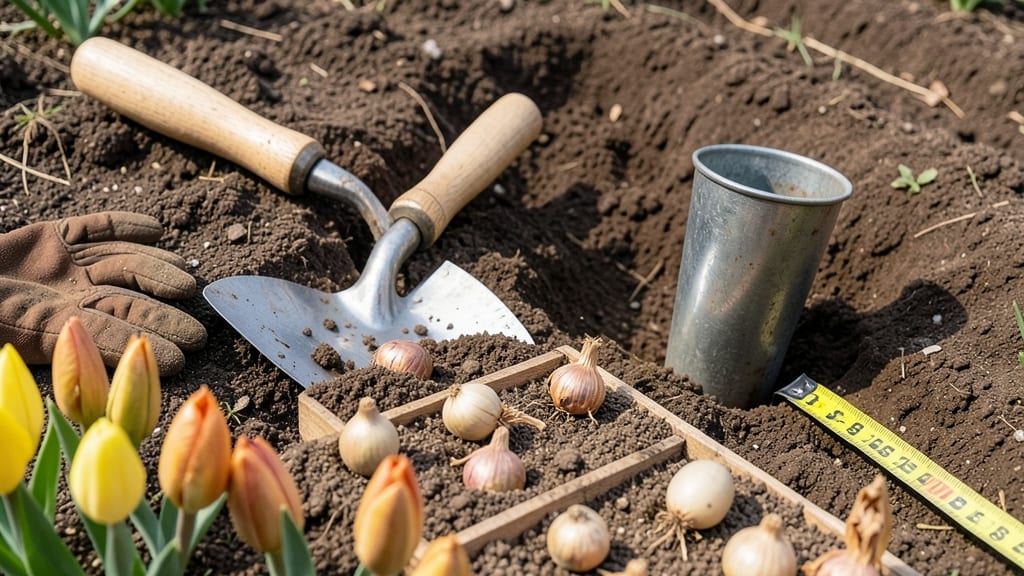
Planting bulbs at the wrong time in Zone 8 can mean the difference between a stunning spring display and wasted effort—here’s the exact science behind timing for zero-frost success.
If you’ve ever wondered why some gardeners get vibrant blooms while others struggle, it’s likely down to one key factor: timing. In Zone 8, where winters are mild but frosts still sneak in, getting your bulbs in the ground at the right moment is everything.
Miss the window, and you risk weak growth or no blooms at all.
I’ll walk you through the exact months to plant spring-blooming favorites like tulips and daffodils, plus the best fall planting schedule for hardy varieties. No more guessing—just proven strategies to ensure your 🌷 bulbs thrive year after year.
Plus, I’ll share how to adjust for your local microclimate, so whether you’re in a coastal area or inland, you’ll know precisely when to dig. Ready to transform your garden? Let’s get started.
Zone 8 bulb planting calendar: exact months for spring and fall success
Zone 8 gardeners have a unique advantage with its mild winters and extended growing seasons—but timing is still everything for bulbs. Unlike colder zones, fall planting doesn't always mean rushing before frost, while spring planting offers flexibility.
The key? Understanding your local frost dates and soil conditions to ensure bulbs establish roots before extreme heat or cold.
Most bulbs thrive when planted in cool soil (around 60°F), which in Zone 8 typically occurs in late October to November for fall planting. For spring-bloomers like tulips and daffodils, early February to March gives them time to root before summer heat arrives.
Missing these windows can lead to weak growth or no blooms at all.
⚠️ Critical Note: Zone 8’s mild winters mean some bulbs (like rain lilies) can even be planted in late winter, but most still prefer the cooler months. Always check your last frost date—typically around January 15 in most of Zone 8—to avoid surprises.
| Bulb Type | Optimal Planting Window | Soil Temp Goal | Depth (inches) | Notes |
|---|---|---|---|---|
| Tulips | October 15–November 15 | 50–60°F | 6–8" | Needs winter chill; avoid spring planting. |
| Daffodils | October 1–November 15 | 50–60°F | 6–8" | More frost-tolerant; can handle early planting. |
| Hyacinths | October 15–December 1 | 50–60°F | 6" | Fragrant but needs cool winter; plant early. |
| Crocuses | September 15–November 1 | 50–60°F | 3–4" | Early bloomers; great for winter color. |
| Rain Lilies | February–March (or early fall) | 60–70°F | 4–6" | Tropical; thrives in Zone 8’s mild winters. |
| Spider Lilies | February–March | 60–70°F | 6–8" | Needs warm soil; avoid fall planting. |
For fall-planted bulbs, aim to finish by November 15—this gives roots time to establish before soil cools too much.
In southern Zone 8 (e.g., Houston), you might push planting to December 1, but northern areas (e.g., Denver) should stop by November 1 to avoid winter stress.
Spring planting in Zone 8 is less common but works for tropical bulbs like rain lilies or caladiums. Plant these in February–March once soil warms to 60°F. Avoid spring planting for tulips or daffodils—they need winter chill to bloom well.
Pro tip: Use a
How to adjust planting time based on your Zone 8 microclimate
Zone 8’s mild winters make it tricky to pinpoint the perfect bulb planting time. While general guidelines suggest October-November for fall and February-March for spring, your local microclimate can shift that window by weeks.
Urban areas often experience urban heat islands that delay frost, while higher elevations may see earlier cold snaps.
Even a 100-foot elevation change can alter your last frost date by 2-3 weeks. For example, bulbs planted in Los Angeles coastal areas might thrive with a November start, while inland San Bernardino gardeners should aim for mid-October to avoid winter rains.
⚠️ Microclimate Mistake That Kills Bulbs
Planting too late in Zone 8’s fall window means bulbs won’t establish roots before winter rains. Soil temps below 60°F (common by December) can cause rot. Use a soil thermometer—ideal planting temps are 50-60°F for 6+ weeks before first frost.
Pro Tip: Check your local CoCoRaHS station (cocorahs.org) for hyper-local frost data—often more accurate than USDA averages.
Start by testing your soil temperature for 3 consecutive days. If temps hover around 60°F, it’s prime time for fall-planted bulbs like tulips and daffodils. For spring-planted varieties (e.g., rain lilies), wait until soil warms to 65°F—typically mid-February in most Zone 8 areas.
Urban gardeners should account for concrete heat absorption, which can delay frost by 1-2 weeks. Plant crocuses and hyacinths 2 weeks later than rural guidelines. Conversely, mountainous areas may need to plant 4 weeks earlier to avoid early cold snaps.
Use a frost-free date calculator (like the National Oceanic and Atmospheric Administration’s tools) to adjust your schedule. For example, if your area’s average first frost is January 10, plant 6-8 weeks prior (November 15).
But if your microclimate shifts that to December 1, delay planting until October 20.
For foolproof results, combine soil thermometer readings with moon phase tracking. Planting during a waxing moon (when roots grow downward) with cool, moist soil ensures bulbs establish faster. Adjust your schedule based on these factors, and you’ll see blooms emerge 2-3 weeks earlier than average Zone 8 gardens.