
Plants
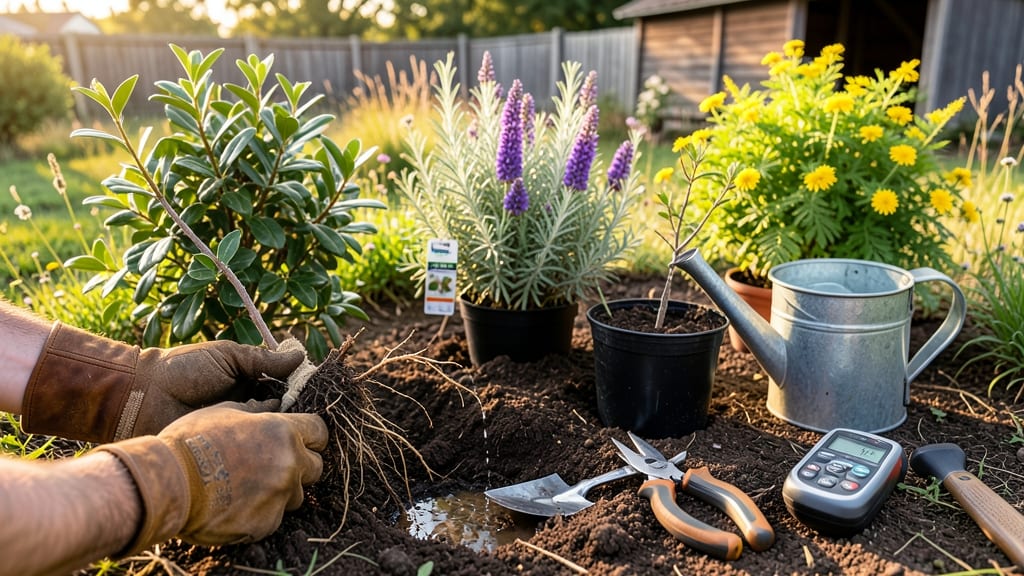
Planting bushes in Texas isn’t just about timing—it’s about surviving the brutal heat and unpredictable weather patterns that can make or break your landscape. Whether you're adding crape myrtles for color or Texas sage for texture, getting the timing right means the difference between thriving 🌿 and struggling transplants.
If you’ve ever watched your newly planted bushes wilt under the Texas sun or freeze during an unexpected cold snap, you know how critical this is.
The key is understanding your specific heat zone—whether you’re in North Texas’s 8a or South Texas’s 10b—and planting during the ideal windows of late winter/early spring or fall.
In this guide, I’ll break down exactly when to plant bushes in Texas, including regional adjustments for urban heat islands and rural microclimates. You’ll learn how to prep your soil, choose the right varieties, and avoid the costly mistakes that send bushes into shock.
Ready to transform your yard with bushes that grow strong and survive Texas’s extremes? Let’s dive into the heat-zone timeline that’ll give your landscape the perfect start—no guesswork needed.
Texas heat zones explained: best planting months by region
Texas’s diverse heat zones (from 8A in the Panhandle to 11B in South Texas) create wildly different planting conditions. If you plant bushes at the wrong time, you risk transplant shock or heat stress—especially in Central and South Texas, where summer temperatures can exceed 100°F.
The key? Planting in early spring or fall when soil is warm but air temperatures are cooling.
North Texas (8A-9A) has cooler winters and earlier frost dates, while South Texas (10A-11B) stays warm year-round. Even Central Texas (9B-10A) sees brutal summers, making fall planting the safest bet for most bushes.
Let’s break down the best months for each zone to ensure your shrubs take root without wilting.
⚠️ Pro Tip: Always check your local frost dates—North Texas can still see frost in February or March, while South Texas rarely drops below 40°F. Use this as your planting deadline.
| Heat Zone | Region | Best Planting Months | Avoid Planting | Top Bush Picks |
|---|---|---|---|---|
| 8A-9A | North Texas (Panhandle, Amarillo, Lubbock) | March-April or September-October | May-July (extreme heat) | Crape Myrtle, Texas Sage, Yaupon Holly |
| 9B-10A | Central Texas (Austin, San Antonio, Waco) | February-March or September-November | June-August (100°F+) | Mexican Petunia, Wax Myrtle, Dwarf Yaupon |
| 10B-11B | South Texas (Houston, Corpus Christi, Brownsville) | September-October or January-February | April-July (humidity + heat) | Firebush, Turk’s Cap, Texas Betony |
🌡️ Note: Adjust for microclimates—urban areas stay hotter than rural spots!
In North Texas (8A-9A), early spring (March-April) is ideal because the soil warms up while nights stay cool enough to prevent heat stress.
If you miss this window, fall planting (September-October) gives bushes time to establish roots before winter. Crape myrtles and Texas sage thrive here with minimal fuss—just avoid planting during peak summer.
Central Texas (9B-10A) is trickier due to its long, brutal summers. Plant in February-March for early bloomers like Mexican petunias, or opt for September-November to avoid the 100°F+ heat. Wax myrtles and dwarf yaupons are excellent choices—they handle Central Texas’s caliche soil and drought-like conditions.
South Texas (10B-11B) gardeners have a shorter window because winters are mild but summers are oppressively humid. Focus on September-October or January-February to avoid the monsoon season (June-August), which can drown young roots. Native bushes like firebush and Turk’s cap are heat-tolerant and attract pollinators—perfect for South Texas’s tropical climate.
For all zones, soil temperature is critical. Use a soil thermometer—ideal planting soil should be 60-70°F. If it’s hotter, wait or plant in partial shade until temperatures drop. Mulch heavily (3-4 inches) to retain moisture and regulate soil temp.
Urban areas add another layer of complexity. Sidewalks and pavement radiate heat, making soil 5-10°F warmer than rural spots. If you’re in a city landscape, prioritize heat-tolerant bushes like Lantana or Texas Mountain Laurel, and plant in late afternoon to reduce stress from midday sun.
Finally, water deeply after planting—1-2 gallons per bush—and keep soil moist for the first 2-3 weeks. In South Texas, reduce watering in summer to encourage deep root growth. Drip irrigation is your best friend here!
By aligning your planting schedule with your heat zone, you’ll give your bushes the best shot at thriving in Texas’s extreme conditions. Start with native varieties, time your transplant right, and watch your landscape flourish—without the stress! 🌿
Signs your bush planting timing is perfect (or terrible)
Timing your bush planting in Texas can mean the difference between a thriving landscape and a sad, wilting investment. The key lies in reading your soil temperature, checking humidity levels, and monitoring weather forecasts.
These three factors work together to create the ideal window for transplanting—typically late winter to early spring or fall after September 15th.
When the soil temperature consistently stays above 60°F at a depth of 6 inches, your bushes have the best chance to establish roots without stress. This usually aligns with mid-March in North Texas and late February in Central/South Texas.
However, if you’re planting in fall, aim for September or early October before the first frost threatens tender new growth.
⚠️ callout-warning ⚠️
🚨 Texas Transplant Shock Red Flags
- 🌡️ Soil too hot (>85°F): Roots fry before they establish. Wait until temps drop below 80°F.
- 🌧️ Rain within 48 hours: Soggy soil suffocates roots. Check 7-day forecasts before planting.
- 🍂 Leaves wilting immediately: Sign of transplant shock from heat stress or improper watering.
- 🐛 Pest swarms (aphids, spider mites): Indicates stressed plants—delay planting until pests decline.
Pro Tip: Morning planting (before 10 AM) reduces heat stress on tender roots.
One of the most common mistakes Texas gardeners make is planting too early in spring or too late in fall. If you transplant bushes when soil temperatures exceed 85°F, their roots can bake in the heat, leading to irreversible damage.
Similarly, planting in late October or November risks exposing young plants to unpredictable frost—especially in North Texas.
Pay attention to humidity levels too. In South Texas, high humidity can create a fungal risk for newly planted bushes, while North Texas often faces dry, windy conditions that dry out soil quickly. Aim for 50-70% humidity during planting—check your local weather app for real-time updates.
Your weather forecast should show stable conditions for at least 7-10 days post-planting. Avoid scheduling transplants during heatwaves (>100°F) or heavy rain events, as both can shock young bushes. Use a planting checklist to confirm:
- ✅ Soil temp: 60-75°F at 6" depth
- ✅ Humidity: 50-70%
- ✅ Forecast: No rain for 48 hours
- ✅ Wind: Light breezes only (<10 mph)
If you miss the ideal window, don’t panic—just harden off your bushes by gradually exposing them to Texas sun over 7-10 days before transplanting. And always mulch heavily (3-4 inches) to retain moisture and regulate soil temperature.
With the right timing, your bushes will take root and flourish for years to come. 🌿