
Plants
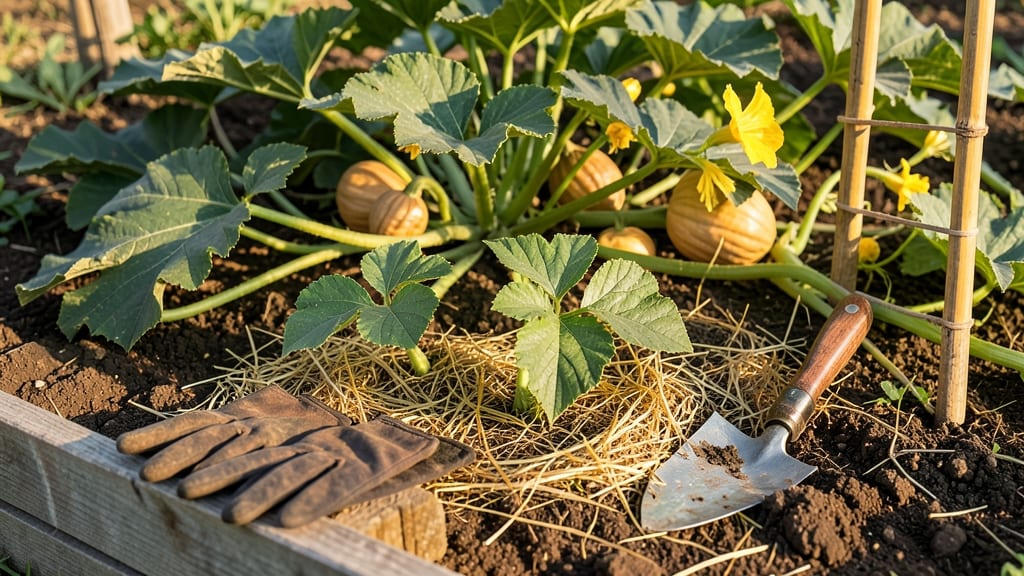
Timing your 🎃 butternut squash planting in North Carolina isn’t just about avoiding frost—it’s about catching that sweet spot when the soil finally warms up enough for fast germination. Plant too early, and your seeds will sit in cold soil, waiting for conditions that never quite arrive.
Plant too late, and you might miss the harvest window before the first frost rolls in.
Most NC gardeners focus on frost dates, but the real game-changer is soil temperature. Butternut squash needs soil that’s at least 60°F to sprout reliably, and that threshold arrives much later than the last frost in many parts of the state.
In the Piedmont, for example, you’re often looking at mid-May, while coastal areas might be ready by early April. Getting this right means the difference between a thriving vine and a wasted seed packet.
Here’s the good news: with the right approach, you can stretch your growing season to maximize yields. Whether you’re planting for a fall harvest or even a late-winter crop, I’ll walk you through the exact soil temperature triggers and regional adjustments that work in NC’s varied climate zones.
Let’s make sure your butternut squash gets off to the fastest, most reliable start possible.
We’ll also cover how to test your soil temperature, extend the season with mulch, and choose the best varieties for your specific corner of North Carolina. By the end, you’ll know exactly when to plant for a harvest that’ll last well into winter—without any guesswork.
Best planting dates for butternut squash in NC based on soil temperature
North Carolina’s diverse climate—from coastal humidity to mountain chill—means butternut squash planting dates vary dramatically across regions. The key to success? Soil temperature must reach 55°F+ for germination, with 60°F+ ideal for vigorous growth. Unlike frost dates, soil warmth dictates when seeds will sprout, not just when the air warms.
For example, my Piedmont garden hits 60°F by mid-April, while mountain zones often wait until late May. Let’s break it down by region and method.
Direct sowing (planting seeds directly in the ground) is best for NC gardeners who want to avoid transplant shock, but it requires precise timing. Transplants, on the other hand, give you a head start—just ensure they’re hardened off and soil is warm enough (65°F+) to prevent root stress.
I’ve learned the hard way that rushing transplants into cool soil leads to stunted vines and poor yields. The coastal plain, with its earlier last frost (around March 15), can start planting 2-3 weeks sooner than the mountains, where frost lingers until May 1.
| Region | Last Frost Date | Optimal Soil Temp | Direct Sow Window | Transplant Window | Fall Harvest Ready |
|---|---|---|---|---|---|
| Coastal Plain (e.g., Wilmington) | March 15 | 60°F+ | April 1–May 15 | March 20–April 10 | Late Sept–Nov 1 |
| Piedmont (e.g., Raleigh) | April 15 | 60°F+ | April 15–May 30 | April 1–May 1 | Oct 1–Nov 15 |
| Mountains (e.g., Asheville) | May 1 | 65°F+ | May 15–June 15 | May 1–May 15 | Oct 15–Dec 1 |
| All Regions (Fall Planting) | N/A | 60°F+ | June 20–July 31 | June 1–July 15 | Sept–Nov (varies) |
For direct sowing, aim to plant seeds when soil hits 55°F+ and stays consistent for 5–7 days. I use a soil thermometer to confirm—last year, my Piedmont soil hit 58°F by April 10, but seeds didn’t sprout until it reached 62°F.
If you’re in doubt, opt for transplants, which can handle slightly cooler soil (60°F+) once they’re established. Just be sure to harden them off for 7–10 days before planting to avoid shock.
North Carolina’s fall planting window (June–July) is a game-changer for a second harvest. This strategy works best in USDA zones 7b and below, where first frosts arrive after October 15.
My coastal garden yields butternut squash until November 1 when planted in late June, while mountain gardens might only get a harvest by October 15. Use black plastic mulch to warm soil faster and extend the season—it can add 2–3 weeks of growing time in cooler areas.
Regional microclimates matter more than you’d think. For instance, Raleigh’s Piedmont climate averages 65°F soil by April 20, but a 5-mile drive west into the foothills might delay that by 10–14 days.
To adjust, check local Almanac frost data and add 1–2 weeks to planting dates if your yard feels cooler (e.g., near a lake or in a valley).
I once planted butternut squash in my sunny front yard two weeks before my shady backyard, and the front-yard plants thrived while the back-yard seeds rotted.
Don’t overlook seed depth—butternut squash seeds need 1 inch of soil coverage for consistent germination. Plant them 1–1.5 inches deep in well-draining soil with a pH of 6.0–6.8. If your soil is heavy clay, mix in compost or sand to improve drainage.
I’ve also had success using biodegradable pots for transplants, which reduce root disturbance and speed up establishment. Once sprouted, thin seedlings to 2–3 feet apart to give vines room to sprawl—crowding leads to disease
How to test soil temperature and adjust planting for NC’s unpredictable spring
North Carolina’s spring weather can be as unpredictable as a toddler’s mood—one day it’s warm, the next you’re scrambling for a jacket. For butternut squash, getting the soil temperature right is non-negotiable.
These squash need consistent warmth to germinate, and planting too soon after frost can leave your seeds sitting in cold, damp soil for weeks (or forever).
I’ve learned the hard way that checking soil temperature isn’t just about waiting for the last frost date—it’s about understanding your garden’s microclimate. Coastal NC might be ready by early April, while the Piedmont region could still be chilly into May.
A soil thermometer becomes your best friend here, giving you the real-time data you need to time your plantings perfectly.
⚠️ Warning: Don’t Plant Butternut Squash Until Soil Hits 60°F!
Butternut squash seeds won’t germinate reliably below 60°F soil temperature. Planting earlier wastes seeds and energy—you’ll just end up with rotten seedlings or no germination at all. Even if air temps feel warm, the soil stays cold longer, especially in shady spots or clay-heavy soil.
Pro Tip: Use black plastic mulch 1-2 weeks before planting to warm soil 5-10°F faster. This trick lets you plant 2-3 weeks earlier in cooler NC zones.
A soil thermometer costs under $10 and takes 30 seconds to use—far cheaper than buying new seeds every spring. Stick it 2 inches deep (where roots will be) and check it mid-morning for the most accurate reading.
If it’s below 60°F, wait. Patience here saves you from failed germination and heartache later.
Once your soil hits that 60°F threshold, you’re golden—but don’t rush! Wait another 3-5 days to ensure consistency. I’ve seen temps swing 15°F in a day during NC’s spring transitions.
For extra insurance, use row covers to trap heat and protect young seedlings from unexpected late frosts, which can still hit the Mountains region into early June.
If your soil just isn’t warming up by early May, consider transplanting seedlings instead of direct sowing. Start seeds indoors 4-6 weeks before your target outdoor date, then move them to the garden once soil warms.
This gives you flexibility to adjust for NC’s unpredictable spring without losing your entire crop.
Remember, butternut squash needs 90-120 days to mature, so late plantings mean harvests right before frost. Plan accordingly—if you’re in Zone 7b (like Raleigh), aim for late June plantings to ensure a fall harvest before mid-October frosts.
With the right soil temperature checks and adjustments, you’ll turn NC’s quirky spring into your butternut squash superpower. 🎃