
Plants
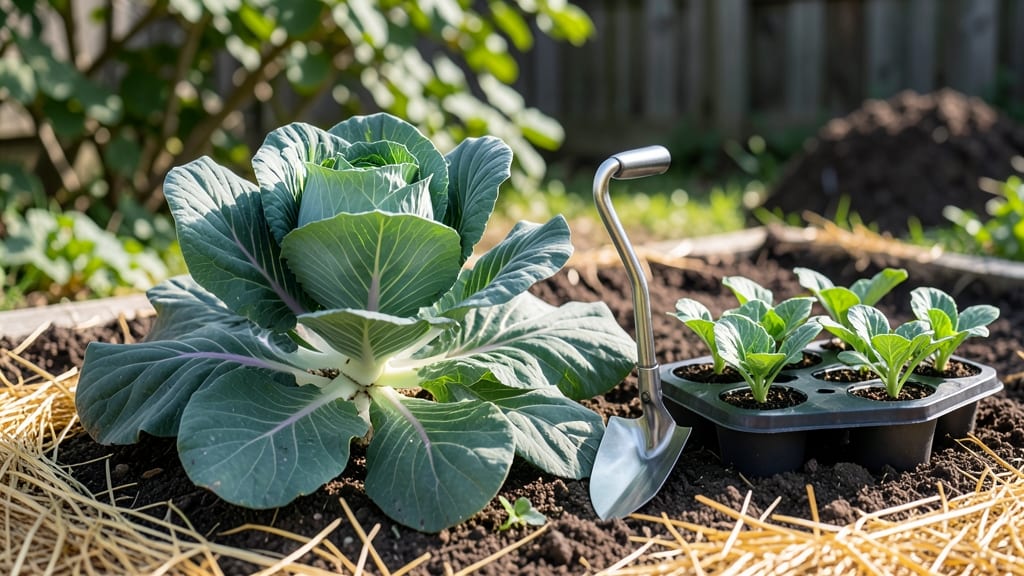
Planting cabbage in Missouri isn’t just about tossing seeds into the dirt—it’s about timing your moves like a pro to dodge frost and heat waves.
The perfect window for spring planting starts in March, giving your 🥬 a head start before the last frost (usually around April 15) zaps your tender seedlings. But rush it, and you’ll end up with bitter, bolting heads before they even form.
Missouri’s 5b-6b climate means you’ve got two shots at a great harvest: spring and fall. Skip the spring rush, and you’ll miss out on crisp, sweet heads ready by June—ideal for summer salads and braising.
But here’s the catch: fall planting demands even more precision, with seeds in the ground by July to mature before the first frost hits in mid-October.
Why does this matter? Because cabbage thrives on consistency—cool temps, steady moisture, and 6+ hours of sun daily. Plant too early, and frost will turn your greens to mush.
Too late, and your cabbage bolts (yes, it’s a thing) or splits open before harvest. I’ve seen it all, and I’m here to help you avoid the pitfalls.
Ready to grow the best cabbage Missouri has to offer? Let’s break down the exact months, soil prep, and succession planting tricks that’ll keep your garden productive from spring to fall—no guesswork, just results.
Missouri cabbage planting calendar: exact spring and fall timing for optimal growth
Missouri's USDA zones 5b-6b create a unique growing window for cabbage, where spring and fall plantings both thrive with precise timing.
The key is understanding your local frost dates—St. Louis typically sees its last frost around April 15, while Kansas City and Columbia may experience it 1-2 weeks earlier.
For fall crops, first frosts arrive around October 15, though microclimates can shift this by 10 days either way.
Cabbage needs 60-100 days to mature, so planting too early risks frost damage, while late starts often lead to bolting (premature flowering). My strategy? Plant spring cabbage 4-6 weeks before the last frost and fall cabbage 8-10 weeks before the first frost.
This ensures heads form before temperature swings ruin your harvest.
Soil temperature is equally critical—cabbage seeds won't germinate well below 40°F, while ideal transplanting temps hover around 50-60°F. In Missouri, this means March-April for spring and July-August for fall are your sweet spots. Let's break down the exact month-by-month schedule for your region.
| Region | Spring Planting Window | Fall Planting Window | Last Frost Date | First Frost Date |
|---|---|---|---|---|
| St. Louis | March 20 - April 15 | July 15 - August 10 | April 15 | October 15 |
| Kansas City | March 15 - April 10 | July 1 - August 5 | April 10 | October 10 |
| Columbia | March 25 - April 10 | July 10 - August 5 | April 12 | October 12 |
For spring plantings, start seeds indoors 4-6 weeks before your last frost date if you prefer transplants, or sow directly outdoors during the March-April window.
In St. Louis, this means March 20-April 15 is prime time. Use row covers if nighttime temps dip below 45°F to protect young seedlings from frost.
Fall cabbage follows a similar logic but works backward. Aim to transplant 8-10 weeks before your first frost—so in Kansas City, that's July 1-August 5.
Direct sowing in fall works too, but July 15-August 10 gives your plants enough time to mature before cold sets in. Red Express and Golden Acre varieties handle Missouri's fall weather exceptionally well.
Missouri's unpredictable weather demands flexibility. If you miss the ideal window, don't panic—succession planting every 2 weeks in spring or 3 weeks in fall extends your harvest. For example, in Columbia, plant March 25, April 10, and April 25 for staggered maturity.
This ensures you're always harvesting fresh heads instead of facing a glut or shortage.
Watch for soil temperature fluctuations, especially in spring. If ground temps stay below 50°F for more than a week, germination slows dramatically. Use a soil thermometer to confirm readiness—55-65°F is ideal for direct sowing.
In my garden, I've found that black plastic mulch warms soil faster and speeds up early spring plantings by 10-14 days.
Remember that fall cabbage often produces sweeter, more tender heads than spring varieties. The cooler nights and shorter days trigger natural sugars to concentrate. To maximize flavor, harvest before hard frosts—even light freezes can turn heads bitter.
In St. Louis, this means October is your prime harvest month for fall plantings.
Protect your investment with row covers or cold frames if early frosts threaten. I've saved entire crops in late October by using floating row covers to extend the season by 2-3 weeks.
Just remove them during the day to prevent overheating. For overwintering cabbage, choose winter-hardy varieties like January King and plant in late summer.
Finally, keep a gardening journal to track your local frost dates and adjust future plantings. Missouri's climate shifts yearly—what worked in 2023 might not in 2024. By mastering this month-by-month calendar, you'll enjoy crisp, homegrown cabbage from June through November, with minimal risk of failure. 🥬
5 Critical factors that determine cabbage planting success in Missouri
Growing cabbage in Missouri requires more than just sticking seeds in the ground. The Show-Me State's unpredictable weather and diverse microclimates demand careful planning. From soil pH levels to frost-free dates, these five factors make or break your harvest.
Let's break down what you absolutely must consider before planting a single seed.
Missouri's USDA zones 5b-6b create unique challenges. Northern regions like St. Louis face earlier frosts, while southern areas like Springfield enjoy longer growing seasons. Understanding these variations helps you time your plantings perfectly for maximum yield.
The wrong timing can mean bolting cabbage or frost-damaged plants—neither of which you want in your garden.
Missouri's soil pH often needs adjustment before planting cabbage. The state's natural clay soils typically test slightly acidic to neutral, but urban areas with added lime can push pH too high.
Aim for a 6.0-7.0 range—this sweet spot prevents nutrient deficiencies that lead to yellowing leaves and poor head development. I always test my soil in early spring and amend as needed using pelletized lime for acidity or elemental sulfur for alkalinity.
Don't let Missouri's frost dates catch you off guard. The last frost typically arrives around April 15 in most regions, but northern Missouri can see frost as late as May 1.
For fall planting, the first frost usually hits October 15, but southern areas may extend harvests into November. I recommend checking your local Cooperative Extension Service for precise frost dates in your county.
Smart companion planting can boost your cabbage yields by 30-40%. I always pair my cabbage with dill and celery to repel cabbage moths naturally. The strong aromas of these herbs confuse pests while attracting beneficial insects like ladybugs.
Avoid planting near tomatoes, as they share diseases like early blight and compete for nutrients in the soil.
Proper spacing is non-negotiable for cabbage success. Dwarf varieties like 'Miniature Peanut' need just 12 inches between plants, while standard types require 24 inches. I've learned the hard way that crowded plants develop small, loose heads with poor flavor.
When planning your garden layout, consider succession planting in rows to maximize space and extend your harvest season.
Missouri's unpredictable weather demands flexibility. I've had years where spring rains delayed planting by weeks, and summers where 90°F heat caused bolting. To protect your crop, use floating row covers for early plantings and shade cloth during heatwaves.
These simple tools can extend your growing season by 2-3 weeks in both directions.