
Plants
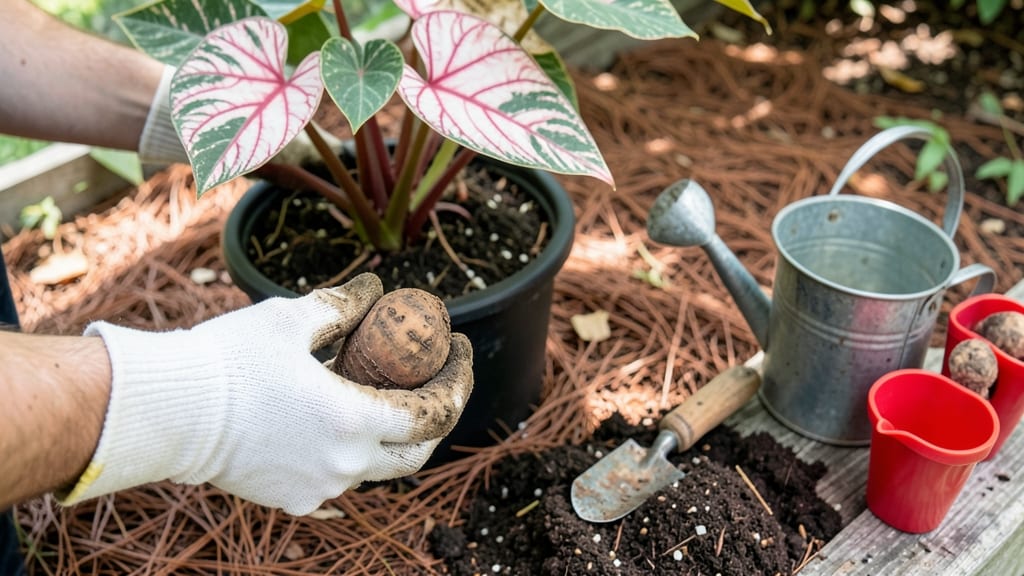
Planting caladium bulbs at the wrong time in Alabama could mean watching your vibrant 🌿 caladiums struggle instead of thrive. These tropical beauties demand precise timing—too early, and frost will fry them; too late, and summer’s heat arrives before they establish roots.
For Alabama gardeners in zones 7b-8b, the ideal window opens in March through April, right after your last frost date. This ensures soil temperatures hit that sweet spot of 65°F+, giving your bulbs the perfect start before the real heat kicks in.
Don’t let Alabama’s humidity or clay-heavy soil throw you off—with the right prep, your caladiums will reward you with lush foliage from late spring until frost. Let’s break down the exact steps to get your planting schedule right.
From soil prep to shade strategies, I’ll share the Alabama-specific tips that make all the difference. Whether you’re a first-time gardener or a seasoned pro, these insights will help you grow stunning caladiums that steal the show.
Alabama’s caladium planting timeline: heat zone breakdown by region
Alabama’s USDA Hardiness Zones 7a-8b create unique microclimates where caladium bulbs thrive—but timing is everything. Northern Alabama’s cooler springs demand patience, while southern regions can plant earlier. The key? Waiting for consistent 65°F+ nighttime temperatures ensures strong root establishment before summer’s heat arrives.
Your last frost date (typically mid-March in north Alabama to early March in the south) signals the start of planting prep. However, rushing can lead to frost-damaged tubers or stunted growth.
Caladiums are tropical plants that need warmth to wake from dormancy, so soil temperature matters more than air temperature.
For northern Alabama gardeners in zones 7a-7b, the April 15-May 1 window is critical. This delay prevents tuber rot from lingering cool soils. Use a soil thermometer to confirm temperatures—caladiums won’t thrive until the ground consistently stays above 65°F at night.
In my zone 7b garden, I’ve learned the hard way that planting too early leads to leggy, weak plants that struggle in summer’s heat.
Central Alabama’s 7b-8a transition zone offers flexibility with a two-week planting window starting April 1. Here, urban microclimates can push planting dates earlier by 7-10 days compared to rural areas.
Pay attention to localized heat pockets—sidewalks and parking lots radiate heat that can wake tubers prematurely, while shaded garden beds may need the full window.
Southern Alabama’s 8a-8b zones enjoy the earliest planting dates, but don’t rush! While March 15 marks the start, waiting until soil reaches 60°F minimum prevents shock. I’ve noticed coastal areas near Mobile can plant 3 weeks earlier than inland zones due to moderated temperatures from Gulf breezes.
Always monitor nighttime lows—caladiums wilt when exposed to below 55°F.
Pro tip: Pre-warm your soil in cooler zones by covering beds with black plastic mulch 2 weeks before planting. This raises soil temperatures 5-10°F faster than ambient air. I use this trick in my zone 7b raised beds to create ideal conditions for my Flamingo Pink and White Queen varieties.
Remember that caladiums are not frost-tolerant—even a light frost will kill them. While they’re heat-loving plants, they need time to establish roots before Alabama’s summer humidity peaks. Planting too early means weak roots that can’t handle the 90°F+ afternoons that follow.
My zone 8a garden shows this every year—early April plantings struggle until June, while May plantings burst with color by early summer.
For container growers, timing shifts slightly. Potted caladiums
Pre-planting preparations for Alabama’s humid climate: soil & site secrets
Alabama’s clay-heavy, acidic soils and high humidity present unique challenges for growing caladiums. These tropical plants thrive in moisture-retentive but well-draining conditions, which means modifying your native soil is often essential.
Without proper preparation, your caladiums may struggle with root rot or nutrient deficiencies, leading to weak growth or poor foliage color.
Start by testing your soil’s pH level—caladiums prefer a slightly acidic to neutral range of 6.0 to 6.5.
Alabama’s natural acidity (often 5.0 or lower) can stunt growth, so you’ll likely need to amend it with lime or wood ash to raise the pH. Pair this with organic matter like compost or peat moss to improve drainage and moisture retention, which is critical in Alabama’s hot, humid summers.
⚠️ callout warning ⚠️
Problem: Alabama’s clay soils compact easily, suffocating caladium roots and causing waterlogged conditions. Even with amendments, poor drainage leads to fungal diseases like Phytophthora, which thrives in Alabama’s humidity. Solution: Mix in 20-30% perlite or coarse sand to break up clay particles. For urban gardens, consider raised beds with a 1:1 soil-to-perlite ratio for optimal drainage.
For urban gardeners, shade is non-negotiable. Caladiums burn easily under Alabama’s intense afternoon sun, so choose a site with dappled shade or use shade cloth (30-50%) if full shade isn’t available.
In containers, place them under tree canopies or on patios with afternoon shade. Pair them with hostas or ferns, which share similar shade preferences and help retain soil moisture.
Before planting, loosen the soil to a depth of 12 inches to encourage root penetration. Work in 3-4 inches of compost or aged manure to provide essential nutrients, and top with 1 inch of mulch (like pine straw) to suppress weeds and retain moisture.
This prep work is especially important in Alabama’s sandy loam soils, which drain too quickly and lack organic matter.
If your garden sits in a low-lying area, create a slightly elevated bed (6-8 inches high) to prevent water pooling after heavy rains. Caladiums hate soggy feet, and Alabama’s summer thunderstorms can turn your garden into a swamp overnight.
Add a layer of gravel at the bottom of the bed for extra drainage insurance.
Finally, water deeply but infrequently after planting to encourage strong root growth. Aim for 1 inch of water per week, adjusting for rainfall. In Alabama’s heat, morning watering is best to reduce fungal pressure.
With these soil and site tweaks, your caladiums will flourish, delivering show-stopping foliage all summer long. 🌿