
Plants
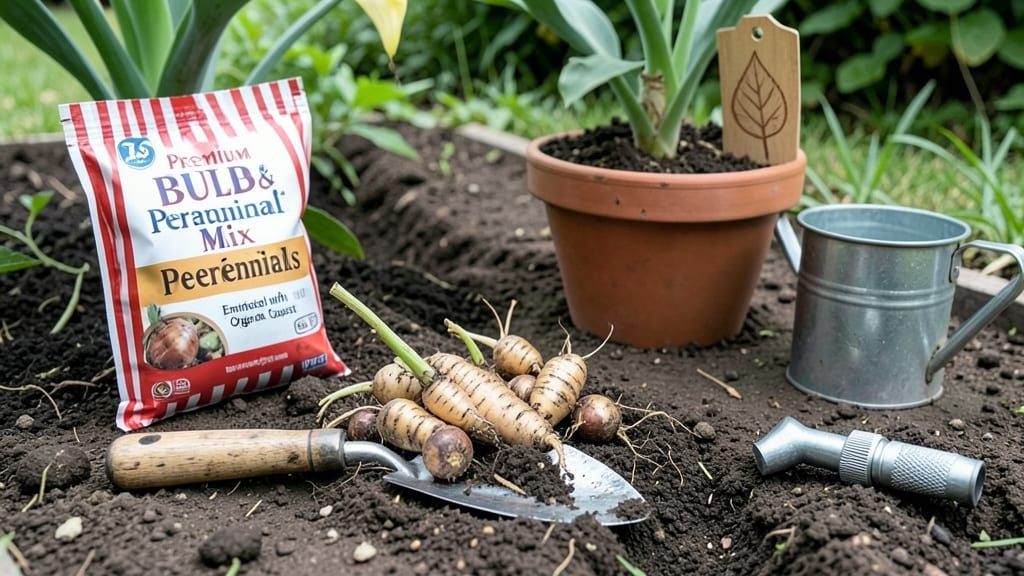
Planting calla lily bulbs at the wrong time in Zone 6 can turn your dream garden into a frost-killed disappointment—especially when late springs and early frosts throw off your timing. The secret to vibrant blooms lies in understanding your soil's readiness, not just the calendar.
In Zone 6, where frost can linger until mid-April and creep back by mid-October, soil temperature becomes your best friend. Calla lilies 🌸 thrive when the ground warms to 50-60°F, signaling it's finally safe to plant those prized rhizomes. But how do you know when that moment arrives?
I'll show you exactly when to plant—whether you prefer the reliability of spring or the head start of early fall planting. We'll cover soil prep, frost protection, and even how to adjust for your specific microclimate, so you can enjoy those dramatic tropical-looking blooms without the guesswork.
Let's dive into the perfect planting window for Zone 6's tricky climate, where getting it right means the difference between a stunning garden and a season of missed opportunities.
Zone 6 soil temperature guide: exact timing for calla lily bulb planting
Calla lilies thrive when planted at the right soil temperature, and in Zone 6, this means waiting until the ground warms to 50-60°F. The difference between success and failure often comes down to timing—especially when late frosts can still threaten tender rhizomes.
Let’s break down the exact conditions and months to plant for zero-frost success.
Unlike many bulbs that tolerate cooler soil, calla lilies need warmth to sprout consistently. If you plant too early, the rhizomes may rot in cold, wet soil. If you wait too long, you’ll miss the optimal growing window for summer blooms.
The key is monitoring soil—not air—temperature, which can vary significantly from your morning forecast.
Here’s the exact soil temperature guide for Zone 6, including month-by-month windows for both spring and fall planting. This ensures your calla lilies get a strong start, whether you’re prepping for summer color or extending the season into autumn.
For spring planting, aim to get calla lily rhizomes in the ground once the soil temperature consistently stays above 50°F. In Zone 6, this typically aligns with mid-April to early May, but it’s critical to verify with a soil thermometer rather than relying on air temperature.
If you plant too early and a late frost hits, your rhizomes could rot before sprouting.
If you prefer fall planting, the window is narrower but often more reliable for Zone 6 gardeners. Plant 6-8 weeks before your first frost date (usually early September in most of Zone 6).
This gives the rhizomes time to establish roots before winter dormancy. Mulch heavily with straw or shredded leaves to insulate them from temperature swings.
Testing soil temperature is simpler than you think. Use a digital soil thermometer (available for under $20) and bury the probe 6 inches deep in your garden bed.
Take readings in the morning for the most accurate data—afternoon sun can skew results. If the temperature hovers between 50-60°F for 3-5 days, it’s time to plant.
One common mistake in Zone 6 is assuming that air temperature matches soil temperature. In early spring, air might feel warm enough, but the ground can still be too cold for calla lilies.
For example, in April, air temperatures might reach the 60s°F while soil remains in the 40s°F. Always check the soil—your calla lilies will thank you with bold, healthy blooms.
Pro tip: If you’re in a microclimate (like an urban garden surrounded by pavement), soil warms up 1-2 weeks later than rural areas. Adjust your planting date accordingly. Conversely, if your garden sits in a sunny, sheltered spot, the soil may warm faster, allowing you to plant earlier.
Once you’ve nailed the soil temperature timing, focus on well-draining soil and partial shade. Calla lilies hate soggy roots, so amend heavy clay with compost or sand if needed. With the right temperature and conditions, you
5 Critical factors that determine perfect calla lily planting time in Zone 6
Planting calla lily bulbs in Zone 6 isn't just about soil temperature—it’s about understanding your local climate’s quirks. While most gardeners focus on 50-60°F soil, Zone 6’s unpredictable last spring frost and urban heat islands can shift your ideal planting window by weeks.
I’ve planted calla lilies for over a decade in this zone, and these five factors consistently separate thriving plants from failed attempts.
First, frost dates are your planting calendar’s foundation. Zone 6’s average last frost lands around April 15, but rural areas often experience late frosts weeks later than cities.
My urban garden in Zone 6a sees callas thriving when planted 2-3 weeks after the official frost date—while my friend’s rural property waits until May. Always check your local frost maps and add a safety buffer.
- 1. Last Spring Frost Date: Plant 2-3 weeks after your area’s average last frost (April 15 for most of Zone 6). Rural areas may need 3-4 extra weeks due to colder microclimates.
- 2. First Frost Timing: For fall planting, aim for 6-8 weeks before your first frost (typically mid-October). Use mulch to extend the season by 2-3 weeks.
- 3. Bulb Hardiness: Calla lilies are tender perennials—they survive 20-25°F but may need winter protection in Zone 6’s colder pockets. Choose hardier varieties like 'Black Star' for better cold tolerance.
- 4. Microclimate Variations: Urban areas plant 2 weeks earlier than rural zones due to heat island effect. Test soil temperature with a soil thermometer—ideal is 55-60°F at 4" depth.
- 5. Soil Drainage: Calla lilies rot in soggy soil. Amend heavy clay with compost or sand to ensure well-draining conditions, especially in low-lying areas prone to water pooling.
Don’t overlook bulb hardiness—while calla lilies handle brief cold snaps, prolonged below 20°F can kill rhizomes. In my Zone 6b garden, I’ve lost entire clumps when winter temperatures dipped to 15°F without protection.
For extra safety, plant bulbs 3 inches deeper than recommended (6 inches total) and cover with 4-6 inches of mulch before winter sets in.
Microclimates play a sneaky role too. My urban garden in downtown Zone 6a warms up faster than my rural neighbor’s property, allowing me to plant callas 2 weeks earlier each spring. Use a soil thermometer to confirm readiness—55-60°F at 4 inches deep is your sweet spot.
Pro tip: Place the thermometer in morning shade for accurate readings, as direct sun can skew results by 5-10°F.
Finally, soil drainage can make or break your calla lilies. Heavy clay soils in Zone 6 hold moisture like a sponge, leading to rhizome rot. I’ve seen thriving callas in amended soil turn mushy within weeks in unamended clay.
Mix in 20% compost and 10% perlite to improve drainage. For container growing, use pots with drainage holes and a chunky potting mix to prevent waterlogging.
Master these five factors, and your calla lilies will reward you with bold blooms from summer through early fall—no matter where your Zone 6 garden sits. Start with local frost data, adjust for your microclimate, and always prioritize drainage over everything else.
Your callas will thank you with showstopping foliage and elegant blooms year after year. 🌸