
Plants
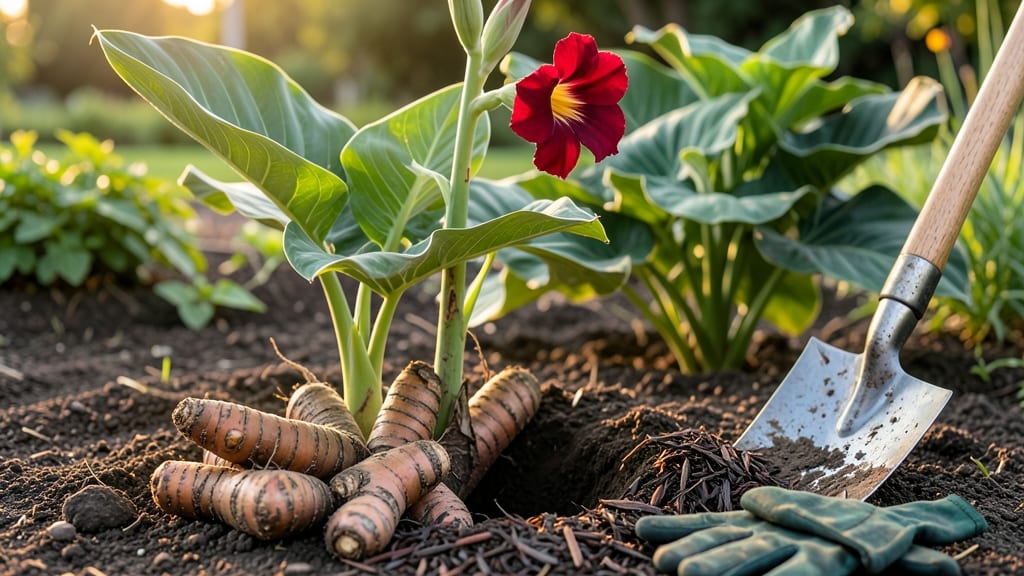
Planting your Canna Lily 🌸 bulbs at the wrong time in Nebraska could mean waving goodbye to those vibrant blooms before they even begin. With frost dates that shift dramatically across USDA Zones 4-6, knowing the exact window matters more than you might think.
Most gardeners in Nebraska wait until after the last frost date—typically mid-April—but that’s just the starting point. The real secret lies in waiting another 2-3 weeks until the soil warms to at least 60°F, ensuring your rhizomes thrive from day one.
In this guide, I’ll break down the precise planting schedule for your zone, from Omaha’s earlier springs to Lincoln’s slightly later frost dates. You’ll also discover how to use soil temperature as your ultimate guide—no more guessing games.
Whether you’re growing dwarf varieties or towering giants, these tips will help you time your planting perfectly for maximum blooms this season. Let’s get those Canna Lily roots in the ground the right way!
Nebraska frost dates by Zone: exact weeks to plant canna bulbs
Nebraska’s USDA Zones 4-6 create a tricky balance for planting canna bulbs. These tropical-looking plants need warm soil and frost-free conditions to thrive. The general rule?
Plant 2-3 weeks after your last spring frost, but Nebraska’s wide range of frost dates means timing varies dramatically from Omaha (Zone 5b) to Kearney (Zone 6a).
To simplify, I’ve broken down exact frost dates for Nebraska’s most common zones, plus county-specific examples so you can pinpoint your perfect planting window. Pro tip: Use a soil thermometer—cannas won’t sprout until soil hits 60°F+, even if the air is warm.
Why this matters: Planting too early risks frost damage to emerging shoots, while waiting too long cuts your blooming season short. In Nebraska, cannas typically bloom from July through September, so timing is critical for that show-stopping color.
Use this frost-date calculator to find your exact planting window. Enter your ZIP code into tools like the Old Farmer’s Almanac or Almanac.com for hyper-local frost predictions.
For example, Lincoln (Zone 5b) averages its last frost on April 15, so I plant mine by May 1—but I always check soil temps first!
In Zone 4 areas like Chase County, where frosts linger into mid-May, I recommend waiting until late May or using black plastic mulch to warm the soil faster.
For Zone 6 (Kearney), you can sometimes plant as early as late April, but I still wait for consistent 60°F+ soil to avoid stunted growth.
Need a backup plan? Container gardening extends your planting window—just move pots indoors or to a garage if unexpected late frosts threaten. I’ve saved my cannas multiple times by covering them with frost cloth during 50°F nights in early May.
Pro move: Mark your planting date on a calendar and set a reminder for 2-3 weeks later to fertilize. Cannas are heavy feeders, and a balanced 10-10-10 fertilizer applied at planting gives them the boost they need for bold foliage and vibrant blooms.
Remember, Nebraska’s clay-heavy soils can stay cold longer. Amend with compost or sand to improve drainage and warmth retention. If your soil feels damp and chilly in early May, hold off—your cannas will thank you with longer stems and bigger blooms later in the season.
For container growers
Signs it’s Really Safe to Plant Canna Bulbs in Nebraska (Not Just the Calendar)
Nebraska’s unpredictable spring weather makes relying on a calendar risky for planting canna bulbs. While many gardeners wait for Memorial Day, frost can still linger in Zone 4 areas like Kearney well into May.
Instead, focus on soil temperature and local patterns—these real-world indicators ensure your cannas thrive from day one.
Your cannas need consistently warm soil to sprout, ideally 60°F or above at a 4-inch depth. Nebraska’s clay-heavy soils retain moisture but heat up slowly, so don’t rush planting just because the air feels warm.
Use a soil thermometer for accuracy—this simple tool prevents costly mistakes like stunted growth or rot.
⚠️ WARNING: Planting Too Soon in Nebraska’s Clay Soil ⚠️
Watch for local weather patterns beyond frost dates. Nebraska’s Chinook winds can push temperatures into the 70s by April, but nighttime lows may still dip below freezing.
Plant after 3 consecutive days of 50°F+ daytime highs and 40°F+ nighttime lows. This buffer ensures your cannas won’t suffer cold shock.
Extend your planting window with black plastic mulch, which warms soil by 5-10°F. Lay it down 2-3 weeks before planting in cooler zones like Omaha (Zone 5a).
This trick lets you plant 2-3 weeks earlier without risking frost damage. Pair it with a row cover for added protection in Zone 4 areas.
Timing also depends on your canna variety. Dwarf types like ‘Pyramid’ tolerate cooler soils better than giants like ‘Cleopatra’, which need 65°F+ soil. Start dwarf cannas 1 week earlier if using mulch, but wait for 70°F+ soil for large varieties to avoid leggy, weak stems.
Once planted, monitor for new growth within 10-14 days. If sprouts appear but then wilt, your soil was likely too cold. In this case, mulch heavily and water consistently to encourage root recovery.
With these practical signs, you’ll outsmart Nebraska’s whimsical weather and enjoy bold canna blooms all summer long. 🌸