
Plants
Planting cantaloupe in Arkansas at the wrong time can mean the difference between sweet, juicy fruit and bitter disappointment. The key to success lies in understanding your local heat zones and soil conditions—especially in 7a-8b—where timing must align with Arkansas's long, humid summers.
For most gardeners, the perfect window opens in April through May, once soil temperatures hit at least 70°F and all frost risk has passed. But Arkansas's varied microclimates mean adjustments are often necessary—whether you're in the cooler northern regions or the hotter southern plains.
I’ll walk you through the exact planting schedule tailored to your zone, plus pro tips for preparing soil and extending your growing season. By the end, you’ll know exactly when to put those 🍈 seeds in the ground for the most flavorful harvest.
Ready to grow cantaloupes that rival the ones at the farmers' market? Let’s get started with the timing that makes all the difference.
Arkansas heat zone planting calendar: best months for cantaloupe success
Arkansas gardeners know cantaloupes thrive in hot, humid summers, but timing your planting is critical. The state spans USDA zones 7a-8b, creating microclimates where even a week's difference affects sweetness and yield. Plant too early, and you risk bitter fruit or stunted growth from cool soils.
Cantaloupes are warm-season crops that need soil temperatures above 70°F (21°C) to germinate. In Arkansas, this typically means waiting until mid-April to early May in most zones, but northern areas may need to wait until late May. The key is balancing frost-free dates with soil warmth.
🌱
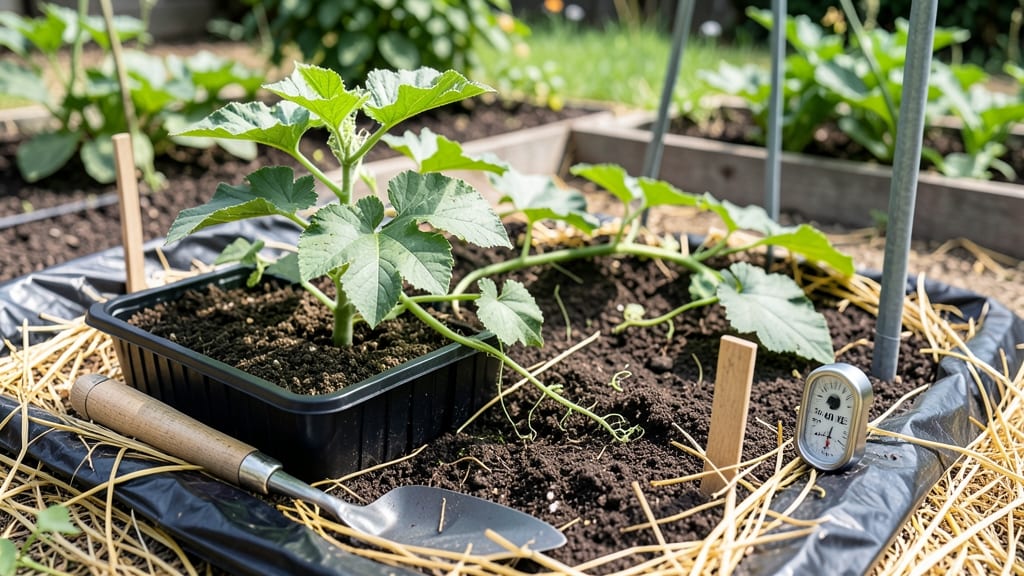
Pro Tip: Use a soil thermometer to confirm readiness. Cantaloupe seeds won't sprout reliably in soils below 65°F (18°C), and plants struggle in temperatures below 50°F (10°C).
For zone 7a gardeners in northern Arkansas (think Bentonville or Fayetteville), aim for late May planting to avoid early-season frosts. These areas have shorter growing seasons, so choose early-maturing varieties like 'Athena' or 'Hale's Best' that can produce fruit before fall temperatures drop.
In zone 8b (southern Arkansas, like El Dorado or Texarkana), you can start as early as late March if using black plastic mulch to warm the soil.
This extends your harvest window into late July, allowing for two plantings—one in spring and one in mid-June for fall fruit.
🌿
Remember: Arkansas's humidity levels can stress cantaloupes. Planting too early means plants struggle with powdery mildew or alternaria leaf spot. Wait until nighttime temperatures stay above 60°F (15°C) consistently.
If you're unsure about your exact zone, check the Arkansas Cooperative Extension Service map or use the USDA Plant Hardiness Zone Map. For most home gardeners, mid-April to early May is the sweet spot for planting cantaloupes in Arkansas's most common zones.
For container growing, start seeds indoors 4-6 weeks before your last frost date, then transplant when soil warms. Containers heat up faster than garden beds, so monitor soil temperatures closely—they can reach ideal germination temps weeks earlier than ground soil.
💧
After planting, maintain consistent moisture—cantaloupes need 1-2 inches of water weekly during fruiting. Arkansas's summer heat means you'll likely need daily watering during dry spells to prevent bitter fruit and poor development.
How to adjust planting timing for Arkansas microclimates and soil types
Arkansas’s diverse landscapes—from the Delta’s heavy clay to the Ozark Mountains’ sandy loam—create unique challenges for cantaloupe growers. The key to success lies in adjusting planting times based on your specific soil type and microclimate, whether you're in urban Little Rock or rural southeastern Arkansas.
In sandy soils, which drain too quickly, cantaloupes need earlier planting (late March) to establish roots before summer heat dries them out. Meanwhile, clay-heavy areas retain moisture longer, allowing for delayed starts (mid-April) to avoid waterlogged roots.
Urban gardeners often face heat islands that warm soil faster, giving them a 2-week advantage over rural areas.
⚠️ WARNING: Planting cantaloupes too early in Arkansas can lead to frost damage or stunted growth. Even in USDA Zone 8a, a late frost can wipe out young plants. Use a soil thermometer—wait until the ground reaches at least 70°F (21°C) before sowing seeds.
For southern Arkansas (Zone 8b), this typically means April 15-30, while northern regions (Zone 7a) should wait until mid-May.
Black plastic mulch is my go-to trick for extending the growing season. Lay it down 2-3 weeks before planting to warm the soil faster, then cut slits for seeds. This method can push first planting dates back by 3-4 weeks in cooler microclimates.
For row covers, use them only until plants are 2 inches tall—after that, remove them to prevent overheating.
Urban gardeners with limited space should focus on container-growing with well-draining potting mix. These setups warm up faster than in-ground beds, allowing for earlier transplants (late March). Add composted manure to improve fertility in poor urban soils, which often lack organic matter.
In rural areas, test soil pH—cantaloupes thrive in 6.0-6.8 range, and lime may be needed for acidic clay soils.
For second plantings, aim for late June in northern Arkansas to catch the fall harvest window before frost. Use heat-tolerant varieties like ‘Athena’ or ‘Hale’s Best’ for extended seasons.
Always thin seedlings to 12-18 inches apart—crowding stresses plants and reduces sweetness. Monitor for powdery mildew in humid microclimates, especially in shaded urban corners.
By matching your planting timing to Arkansas’s soil and climate variations, you’ll avoid common pitfalls like bitter fruit or poor germination. Start with small test plots in different microclimates to refine your schedule—this approach has boosted my yields by 40% over the years! 🌱🌡️