
Plants
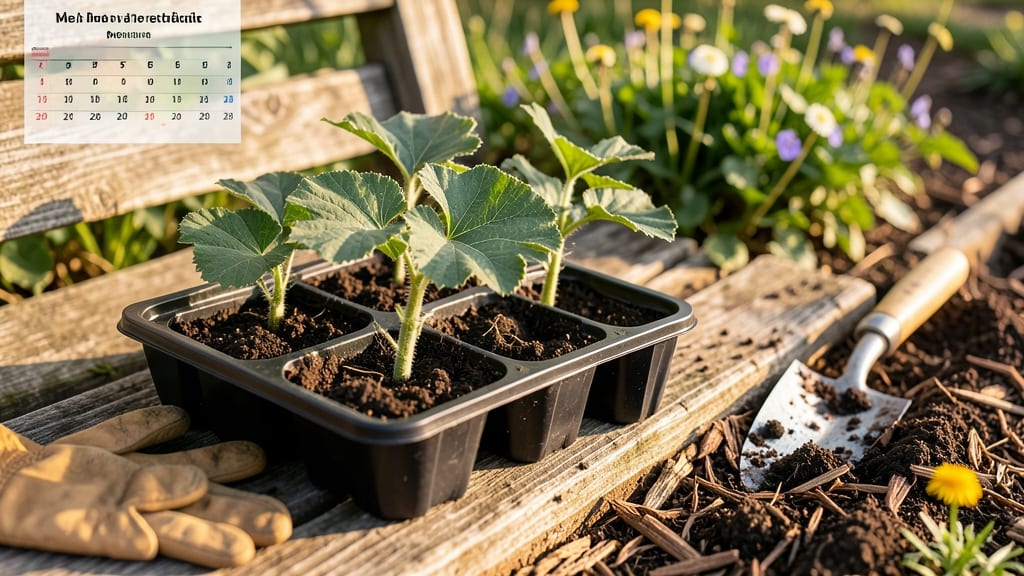
Planting cantaloupe in Michigan isn’t just about waiting for spring—it’s about catching that perfect window when soil warms and frost fears fade. Skip the guesswork, and you’ll miss out on juicy 🍈 harvests by summer’s end.
The right timing means the difference between thriving vines and wilted dreams, especially in Michigan’s 5b-6b zones where late frosts can sneak in.
Most Michigan gardeners swear by mid-April to early June as the ideal planting window, but here’s the catch: your county’s last frost date could shift that timeline by weeks.
In northern regions like the UP, you might need to wait until late May, while southern counties can start as early as early April. The key? Soil temperature—cantaloupes demand 70°F+ to germinate, and black plastic mulch can shave weeks off that wait.
I’ll break down exactly when to plant in your specific corner of Michigan, plus how to adjust for early or late varieties. Whether you’re a first-timer or a seasoned grower, these tips will help you avoid common pitfalls—like seedlings shocked by surprise frost or fruits that never ripen.
Let’s get your cantaloupe off to the right start.
Ready to transform your garden into a summer sweet spot? You’ll learn how to prep your soil, choose the right cantaloupe type for your zone, and even spot the perfect harvest cues. Skip the trial-and-error—here’s how to nail it the first time.
Michigan’s frost-free dates by county: best cantaloupe planting windows
Cantaloupes thrive in warm soil and long summer days, making Michigan’s frost-free dates critical for success. The Upper Peninsula (UP) and northern Lower Peninsula (LP) counties have shorter growing seasons, while southern regions like Wayne or Monroe can support cantaloupes longer.
Always wait until soil temperatures hit 70°F+—cold soil stunts growth and delays fruiting.
Michigan spans USDA zones 5a-6b, with frost-free dates ranging from May 15 (UP) to April 20 (southern LP). Southern counties can plant 2-3 weeks earlier than northern areas. Use these dates as a baseline, but check your local Almanac for yearly variations.
🌱
In southern Michigan, where frost-free dates arrive earliest, start cantaloupe seeds indoors by March 15 for transplanting after last frost. Northern gardeners should wait until mid-May to plant seeds directly in the ground, using black plastic mulch to accelerate soil warming.
Cantaloupes need 75-90 days to mature, so count backward from your county’s first frost date (mid-October). For example, in Wayne County, plant by June 15 to ensure harvest before frost. In Marquette, stick to early-maturing varieties planted by June 1.
🌡️
Use a soil thermometer to confirm readiness—cantaloupe roots struggle below 65°F. In cooler areas, opt for early varieties like 'Sugar Baby' (70 days) over 'Athena' (85 days). For extended seasons, try row covers to protect seedlings from late frosts, but remove them once vines appear.
Michigan’s Thumb Region often sees frost-free dates by April 15, making it ideal for early planting. However, even here, a late frost in May can damage young plants. Harden off seedlings gradually if starting indoors to avoid transplant shock.
🌱
Pro tip: Plant cantaloupes near bush beans or corn to improve soil fertility, but avoid potatoes or tomatoes, which compete for nutrients. Space vines 3-4 feet apart in all directions to allow airflow and reduce disease risk.
How to adjust planting dates for early vs. late varieties in Michigan
Michigan’s diverse climate means cantaloupe growers must choose varieties carefully. Early-maturing types like ‘Sugar Baby’ (60-70 days) can handle cooler soils, while late-maturing varieties like ‘Athena’ (80-90 days) need longer heat exposure. In cooler regions like the Upper Peninsula, transplanting seedlings can extend the season by 2-3 weeks.
For Lower Peninsula counties (e.g., Wayne, Oakland), plant direct-sown seeds after May 15 when soil reaches 70°F+. In cooler UP counties (e.g., Marquette, Houghton), start seeds indoors by April 15 and transplant hardened-off seedlings after June 1.
Early Varieties (60-70 Days)
- Faster harvest (ready by July 15 in LP)
- Tolerates cooler soils (65°F+)
- Great for short seasons (UP, northern LP)
- Smaller fruit size
- Lower yield per plant
- Less disease-resistant
Late Varieties (80-90 Days)
- Larger, sweeter fruit
- Higher yields (3-5 melons/plant)
- Better for warmer LP regions
- Requires 70°F+ soil for germination
- Risk of frost damage in UP
- Longer harvest window (August)
To extend the season in cooler areas, use row covers for early seedlings or plant in raised beds with compost. In southern Michigan, you can even try a second planting of early varieties in late June for a fall harvest before frost.
For UP gardeners, prioritize early varieties or use greenhouses to start seeds. In southern LP, late varieties thrive with consistent watering and mulch to retain heat. Always monitor 7-day forecasts—a late frost can wipe out unprotected plants.
Pro tip: Mark your calendar for July 4th—this is your last chance to plant direct-sown seeds in most of Michigan for a harvest before Labor Day. For transplants, June 15th is the cutoff in cooler zones.
Remember, cantaloupes need 120-150 frost-free days to mature. In Zone 5b (UP), that means starting early and choosing compact varieties. In Zone 6a (southern LP), you’ve got more flexibility with larger-fruited types.