
Plants
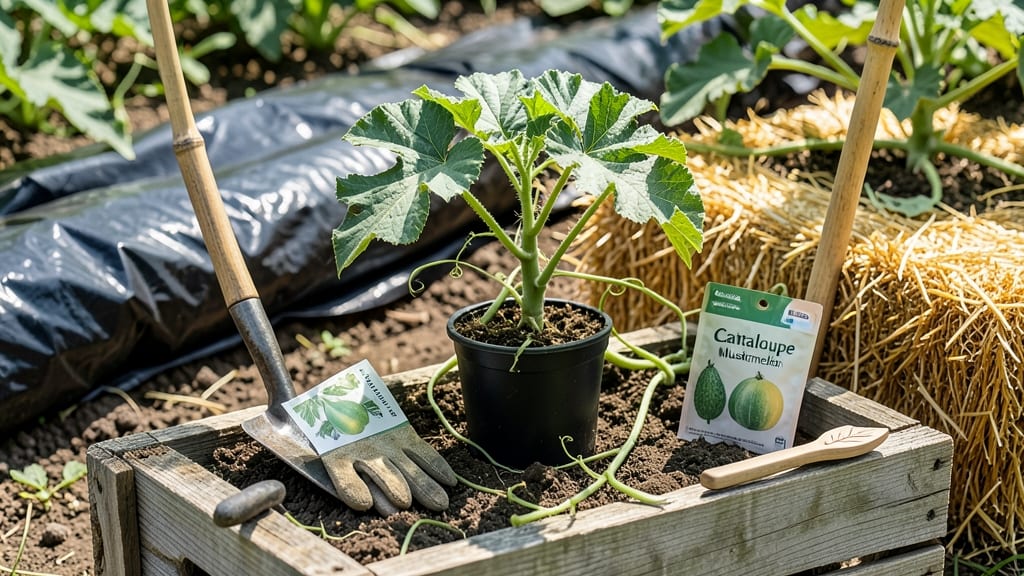
Planting cantaloupe 🍈 at the wrong time in Oklahoma can turn your garden dreams into a sad, wilted mess—but getting the timing right guarantees sweet, juicy melons that taste like summer.
The key is waiting until the soil warms up and all frost danger has passed, which means different planting windows depending on whether you're in northern or southern Oklahoma.
Most Oklahoma gardeners should aim to plant cantaloupe between mid-April and early June, but the exact timing depends on your USDA zone (6b-8a) and last frost date. Too early, and your plants will suffer from cold soil; too late, and you might miss the growing season entirely.
Let me show you exactly how to time it perfectly for your specific location.
Beyond just the calendar, soil temperature is the real game-changer. Cantaloupe needs soil that's at least 70°F to germinate properly, and black plastic mulch can help warm it up faster. I'll walk you through all the tricks—from soil thermometers to microclimate adjustments—to ensure your cantaloupe vines thrive from day one.
Once you master the planting window, we'll cover companion plants, fertilizer schedules, and how to tell when your melons are truly ripe. By the end, you'll know exactly when to plant for the best harvest in Oklahoma—no more guesswork, just sweet success.
Oklahoma heat Zone map: best planting windows for cantaloupe success
Oklahoma’s diverse USDA Hardiness Zones 6b-8a create unique challenges for growing cantaloupes. The state’s 180 frost-free days and high summer temperatures demand precise timing to avoid frost damage or heat stress.
Northern Oklahoma (Zone 6b-7a) has shorter growing seasons, while southern regions (Zone 7b-8a) enjoy extended heat—both require strategic planning for sweet, ripe cantaloupes.
Cantaloupes thrive when planted after the last average frost date, typically mid-April to early June across Oklahoma. However, soil temperature is more critical than air temperature—wait until soil reaches 70°F before sowing seeds.
Black plastic mulch can accelerate soil warming by 5-10°F, giving northern gardeners an edge in cooler zones.
Key factors to consider include your specific heat zone, microclimates (like urban heat islands), and cantaloupe varieties. Fast-maturing types like 'Athena' suit Zone 6b, while heat-tolerant 'Ambrosia' thrives in Zone 8a. Let’s break down the best planting windows by region to maximize your harvest.
| USDA Zone | Last Frost Date | Optimal Planting Window | Soil Temp Requirement | Harvest Window | Notes |
|---|---|---|---|---|---|
| 6b (North OK) | April 15-May 1 | May 15-June 1 | 70°F+ (use mulch) | July 15-August 15 | Short season; choose fast varieties |
| 7a (Central OK) | April 1-May 15 | April 20-May 31 | 70°F+ (soil probe recommended) | June 15-September 1 | Longer season; ideal for most varieties |
| 7b (South-Central OK) | March 15-April 15 | April 1-May 15 | 70°F+ (warmer earlier) | May 15-October 1 | Extended season; heat-tolerant varieties |
| 8a (Southwest OK) | February 15-March 15 | March 1-April 30 | 70°F+ (soil warms fast) | April 15-November 1 | Longest season; double-crop possible |
In Zone 6b, where frosts linger until May, I recommend starting seeds indoors in late March and transplanting after May 15.
Use row covers for early protection if nights dip below 50°F. For Zone 8a, you can even plant a second crop in July for a fall harvest, though vines may struggle with Oklahoma’s 100°F+ heat waves.
Always monitor soil temperature with a probe—cantaloupe seeds won’t germinate below 60°F, and roots suffer if soil exceeds 95°F for prolonged periods. In Zone 7a-7b, aim for late April plantings to align with Oklahoma’s peak humidity (May-June), which reduces blossom-end rot.
Shade cloth can help during July-August heat if vines look stressed.
Pro tip: Plant cantaloupes near bush beans or radishes to improve soil structure and deter pests. Avoid planting near cucumbers, which compete for nutrients. In southern Oklahoma, where heat persists into October, choose heat-tolerant varieties like 'Hale’s Best' to extend your harvest window.
Remember, Oklahoma’s unpredictable weather means flexibility is key. If a
How to time cantaloupe planting for Oklahoma’s unpredictable weather
Oklahoma’s spring weather can be as unpredictable as a tornado warning—one day warm and sunny, the next a surprise frost. Cantaloupe seedlings won’t tolerate temperatures below 50°F, so timing is everything.
I’ve learned the hard way that rushing planting can lead to stunted vines, while waiting too long might shorten your harvest window. The key? Soil temperature and microclimates are your best friends here.
Start by checking your last frost date, which varies across Oklahoma’s USDA Zones 6b-8a. Northern regions like Oklahoma City typically see frost until mid-April, while southern areas like Tulsa or Lawton can plant as early as late March.
But don’t rely solely on dates—soil thermometers are your secret weapon. Cantaloupe thrives when soil hits 70°F consistently, often a full 2-3 weeks after air temperatures cooperate.
- 1. Wait for soil to warm: Plant only when soil reaches 70°F+ (use a soil thermometer for accuracy). Northern OK may need to wait until mid-May.
- 2. Adjust for microclimates: South-facing slopes warm faster—plant there 1-2 weeks earlier than flat areas. Avoid low spots that stay cold.
- 3. Use black plastic mulch: Lays 5-10°F warmer than bare soil, extending your planting window by 2-3 weeks in cooler zones.
- 4. Start seeds indoors: For northern OK, begin seeds 3-4 weeks before last frost in biodegradable pots to avoid transplant shock.
- 5. Monitor weather forecasts: If a late frost is predicted, cover seedlings with frost cloth or move pots indoors temporarily.
Microclimates play a huge role in Oklahoma’s diverse landscapes. A south-facing hillside in Norman might be warm enough for planting by early April, while a valley in Woodward could still be too cold until late May.
I’ve had success using black plastic mulch to create a warmer microclimate—it can raise soil temperatures by 10°F or more, giving you an earlier start. For container gardeners, choose heat-retentive pots and place them on dark-colored surfaces to absorb warmth.
If you’re in Zone 7a or cooler, consider fast-maturing varieties like ‘Athena’ (65 days) to maximize your harvest window. These varieties can tolerate slightly cooler soils and still produce sweet melons.
For Zone 8a areas, you’ve got more flexibility—plant as early as late March if your soil warms quickly. Just remember: overheating can stress seedlings, so avoid planting when daytime highs exceed 90°F.
One mistake I see often is planting cantaloupe too early and then dealing with powdery mildew or blossom-end rot from inconsistent moisture. Always water deeply in the morning and mulch heavily to keep roots cool.
And if your area has unpredictable summer rains, opt for raised beds to improve drainage—cantaloupe hates soggy roots. Pro tip: Drip irrigation keeps foliage dry, reducing disease risk during Oklahoma’s humid summers.
Finally, keep an eye on the 7-day forecast before planting. If a cold front is predicted within 10 days, delay your planting until conditions stabilize. I’ve lost entire seedlings to a late-April frost in Oklahoma City, so patience pays off.
With the right timing, you’ll be feasting on homegrown cantaloupe by mid-summer—nothing beats that first slice of sweet, juicy perfection after a long Oklahoma day in the garden. 🌱