
Plants
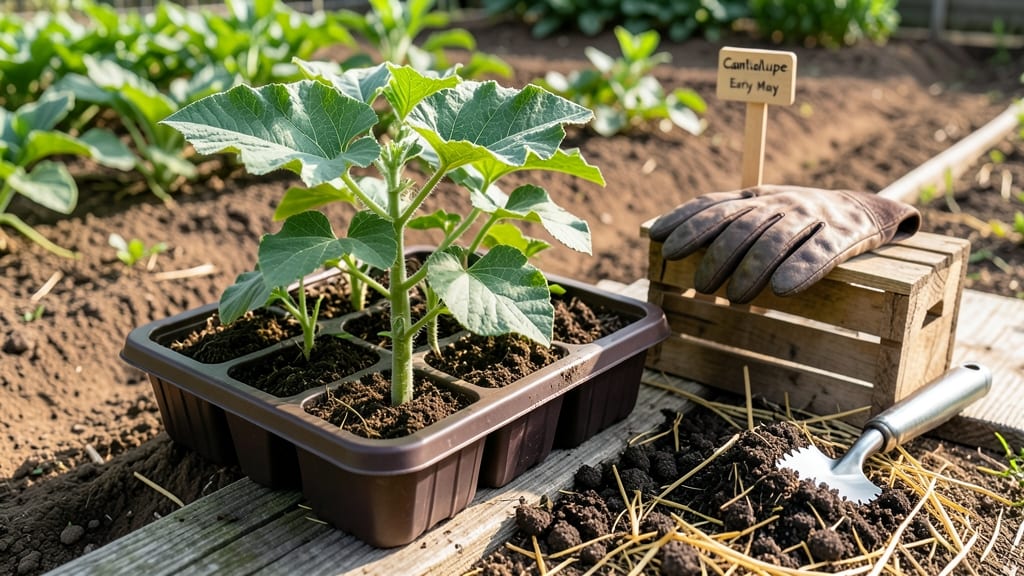
Planting your 🍈 cantaloupe at the wrong time in Tennessee could mean the difference between a sweet summer harvest and a sad, wilted vine.
The state’s shifting climate—from the humid East to the drier West—demands precision, especially since cantaloupes thrive only after the soil warms to 70°F and all frost risk fades.
If you’ve ever wondered why your neighbors’ melons ripen while yours struggle, timing is the key. Tennessee’s 6a-7b zones create a 45-60 day gap between East and West planting windows, and getting it wrong can leave your crop vulnerable to late frosts or scorching heat.
The right move? Start seeds indoors 4-6 weeks before your last frost date—or risk waiting too long.
I’ve grown cantaloupes across Tennessee’s regions, and the lessons learned—like using black plastic mulch to speed up soil warming or adjusting for microclimates—can save you from costly mistakes. Whether you’re in Nashville’s urban heat islands or the Appalachian foothills, these strategies ensure your vines get the perfect start.
Ready to turn your garden into a cantaloupe oasis? Let’s break down the exact planting schedule, soil prep secrets, and regional tweaks that’ll have you harvesting sweet, ripe fruit by July. Your taste buds will thank you.
Tennessee’s frost-free deadlines: east vs west planting zones explained
Timing your cantaloupe planting in Tennessee can mean the difference between a bountiful harvest and a failed crop—especially with the state’s dramatic east-to-west climate shifts. The last frost dates vary by 45-60 days between regions, creating critical planting windows for warm-season crops like cantaloupe.
Understanding these differences helps you avoid frost damage while maximizing your harvest potential.
Cantaloupe thrives in soil temperatures above 60°F and requires 180-210 frost-free days to mature. In Tennessee’s USDA Zones 6a-7b, the eastern regions (like Memphis) typically see their last frost by mid-April, while western regions (like Knoxville) may not reach frost-free conditions until late April to early May.
This delay affects when you can safely plant cantaloupe seeds or transplants.
To find your exact last frost date, use the USDA Plant Hardiness Zone Map or local agricultural extension resources. For example, Nashville’s average last frost is April 15th, while Chattanooga’s is often May 1st.
These dates guide when to start seeds indoors or prepare your garden beds for direct sowing.
Soil temperature is just as critical as air temperature. Cantaloupe seeds won’t germinate well in cold soil, so wait until the ground reaches at least 70°F. You can use a soil thermometer to monitor this—especially in higher-elevation areas like the Appalachian foothills, where soil warms more slowly.
Here’s how Tennessee’s east vs west planting zones compare for cantaloupe:
For eastern Tennessee, where frost lingers longer, consider starting cantaloupe seeds indoors 4-6 weeks before your last frost date. Transplant seedlings outdoors only after the soil temperature consistently stays above 60°F.
In western Tennessee, you can often direct-sow seeds as early as mid-April, but always confirm with a soil thermometer.
If you’re unsure about your local frost dates, check the Almanac’s Frost/Freeze Guides or contact your county extension office. These resources provide hyper-local data that can save your cantaloupe crop from unexpected cold snaps.
For example, the Tennessee State University Extension offers free frost date maps tailored to specific counties.
Another tip: Use row covers or black plastic mulch to warm the soil faster in cooler regions. This can shave 1-2 weeks off your planting timeline, giving cantaloupe vines a head start. Just remember to remove covers once flowers appear to prevent overheating.
Once you’ve nailed down your planting window, focus on soil preparation. Cantaloupe prefers well-draining, slightly acidic soil with a pH of 6.0-6.8. Amend your garden beds with compost or aged manure 2-3 weeks before planting to ensure nutrients are available when vines start spreading.
Finally, keep an eye on the 10-day forecast before planting. A sudden cold snap can devastate young cantaloupe seedlings. If frost is predicted, use frost cloth or move potted plants to a sheltered location until temperatures rise.
With the right timing, your cantaloupe will thrive and reward you with sweet, ripe fruit by mid-summer.
Step-by-step planting schedule for maximum cantaloupe yield in Tennessee
Timing is everything when growing cantaloupe in Tennessee, where soil temperatures and frost risks vary dramatically between east and west. To maximize your harvest yield, you’ll need to balance indoor seed starting with direct sowing—and know when to plant based on your specific microclimate.
Let’s break it down into clear, actionable steps tailored for Tennessee gardeners.
Cantaloupes thrive in warm soil (at least 70°F) and can’t tolerate frost, so your planting schedule hinges on last frost dates and soil warming.
In Tennessee’s USDA Zones 6a-7b, this means starting seeds indoors 4-6 weeks before your last frost date—typically mid-March to early April for eastern regions and late March to early May for western areas.
This head start ensures your plants are robust enough to handle Tennessee’s humid summers and late-season heat.
📅 Tennessee Cantaloupe Planting Timeline
-
1
Start Seeds Indoors (4-6 weeks before last frost)
Use biodegradable pots and plant ½ inch deep in well-draining soil. Keep under grow lights (12-14 hours/day) until soil warms.
-
2
Hardening Off (1-2 weeks before transplant)
Acclimate seedlings to outdoor conditions by placing them in partial shade for 2-3 hours daily, increasing exposure over 7-10 days.
-
3
Direct Sowing Window (East: April-June | West: May-July)
Plant seeds ½ inch deep, 2-3 feet apart, in raised beds or hills for better drainage. Use black plastic mulch to warm soil faster in cooler regions.
-
4
Companion Planting (Extend Season & Deter Pests)
Pair cantaloupes with bush beans, corn, or radishes to improve soil and repel pests. Avoid planting near cucumbers or squash to prevent disease spread.
-
5
Post-Transplant Care (Focus on Water & Heat)
Water deeply at soil level (avoid wetting leaves) and apply mulch to retain moisture. Monitor for powdery mildew in humid Tennessee summers.
For gardeners in Tennessee’s eastern regions (like Chattanooga or Knoxville), you can start direct sowing as early as April, but wait until soil temperatures consistently stay above 70°F. In western Tennessee (Memphis or Nashville), hold off until mid-May to avoid late spring frosts.
Pro tip: Use a soil thermometer to confirm readiness—cantaloupes won’t germinate in cold soil, no matter how eager you are!
Once your seedlings are 4-6 inches tall and soil is warm, transplant them into well-draining soil with compost-rich amendments. Space plants 3-4 feet apart to allow vines to spread, and consider trellising if space is limited.
In Tennessee’s humid climate, prioritize airflow to prevent fungal diseases like powdery mildew, which can devastate cantaloupe crops if left unchecked.
Extend your growing season by planting successive crops every 2-3 weeks after your initial planting. This staggered approach ensures a continuous harvest from July through August, even in Tennessee’s shorter growing seasons. Pair your cantaloupes with companion plants like nast