
Plants
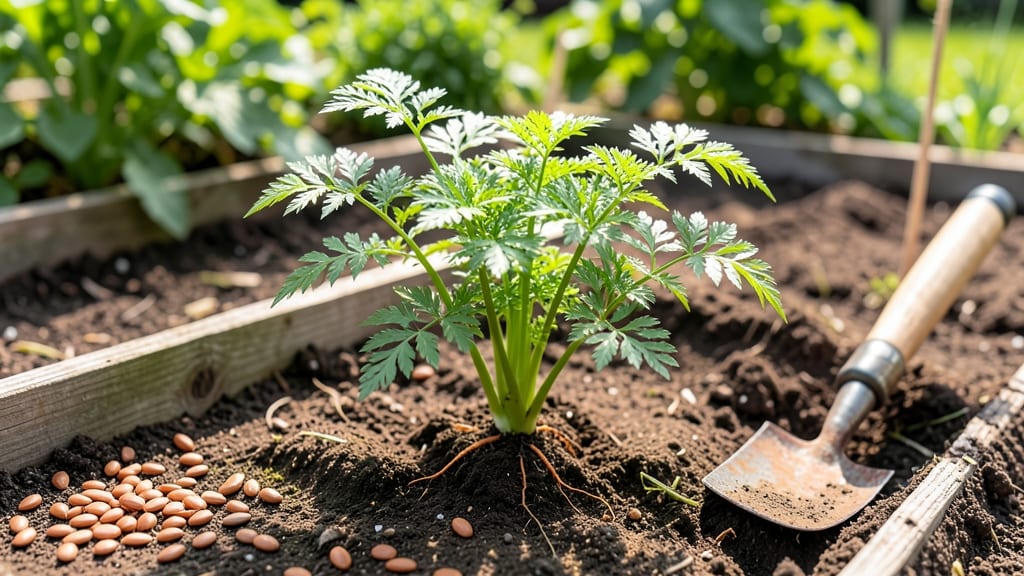
Planting 🥕 carrot seeds in Ohio at the wrong time can turn your garden dreams into bitter disappointment—bolted greens or frost-bitten roots ruin all the effort. The key to sweet, crisp harvests lies in understanding Ohio’s 6a zone and its unpredictable swings between spring warmth and summer heat.
I’ve learned the hard way that timing isn’t just about dates—it’s about soil temperature, too. Carrot seeds need 50-60°F soil to germinate, and Ohio’s March-April window often plays a waiting game with Mother Nature.
But there’s a strategy: plant early March for spring harvests or late July for fall crops, and you’ll beat the October 15 frost every time.
What if I told you that succession planting every 2-3 weeks could stretch your harvest from June to November? That’s how Ohio gardeners avoid the “all-or-nothing” trap of planting once and hoping for the best.
Let’s break down the exact dates and tricks to make your 🥕 carrots thrive—no guesswork, just results.
Whether you’re a first-time gardener or a seasoned Ohio grower, these insights will help you plan like a pro. Ready to dig in? Let’s get those seeds in the ground at the perfect moment.
Ohio’s carrot planting zones: county-specific dates by hardiness
Ohio’s diverse climate means your carrot planting dates can vary by 100+ miles—from the chilly Northern Lakeshore to the milder Southern Appalachian region. Getting the timing right ensures sweet, bolt-free roots instead of bitter, leafy disappointments.
I’ll break down the optimal planting windows for each zone, including soil temperature thresholds (50–60°F) and first frost dates that’ll make your harvest planning foolproof.
Carrots thrive when soil temperatures hover between 50–60°F, but Ohio’s microclimates create big differences. For example, Ashtabula County in the north might need to wait until late April, while Lawrence County in the south can start as early as mid-March.
Understanding these variations helps you avoid bolting (when carrots flower prematurely) or frost damage before roots mature.
Here’s the key: Spring plantings should happen 4–6 weeks before your last frost date, while fall plantings go in July–August for a late-season harvest. Let’s dive into the county-specific breakdown so you can plan with confidence.
For Northern Lakeshore gardeners, aim to plant carrot seeds between April 15–30 when soil warms to 55–60°F. This zone’s later frost dates mean you’ll need to wait longer, but the payoff is longer growing seasons for sweeter roots.
Use row covers if nights dip below 40°F to protect tender seedlings.
In the Central Ohio region (including Columbus), you can start as early as March 10 if you’re using a cold frame or greenhouse. The soil temperature threshold here is slightly lower (50–58°F), giving you a head start.
For fall plantings, July 10–25 is ideal—this ensures carrots mature before the first frost hits around October 15.
Gardeners in Southeast Ohio have the advantage of earlier soil warming, often hitting 52–57°F by late February. This means you can plant carrots as early as February 25 for a spring harvest by June.
However, watch for bolting if temperatures spike above 75°F—shade cloth can help mitigate this risk.
If you’re in the Southern Appalachian zone, your longer frost-free season lets you plant twice in spring (February 15 and March 5) and still squeeze in a fall crop by July 10. The warmer microclimate here supports bolt-resistant varieties like ‘Danvers Half Long,’ which thrive in 53–60°F soil.
Pro tip: Use a soil thermometer to confirm readiness—carrot seeds won’t germinate below 50°F, no matter how eager you are! For succession planting, sow seeds every 2–3 weeks after your initial
Avoiding carrot bolting in Ohio: temperature and succession planting strategies
Ohio’s unpredictable spring temperatures can turn sweet carrot roots into bitter, bolted greens if you’re not careful. Carrots bolt when exposed to consistent temperatures above 80°F or rapid temperature swings, which Ohio’s USDA Zone 6a climate delivers in spades.
The key to avoiding this fate? Strategic succession planting and selecting the right varieties for your region.
I’ve learned the hard way—skipping succession plantings in early spring means missing out on a 6-week harvest window before summer heat sets in. Meanwhile, planting too late in summer risks fall frost cutting your season short.
Ohio gardeners need a two-pronged approach: staggered plantings every 2-3 weeks and choosing bolt-resistant varieties like ‘Danvers Half Long’ or ‘Nantes.’
⚠️ callout warning
Soil temps above 80°F trigger bolting in 3-5 days. Ohio’s northern counties hit this threshold by late May, while southern regions reach it by mid-April. Solution: Plant your last spring batch by May 1 and start fall succession by July 15 for frost-free harvests.
For spring plantings, I start seeds indoors 4-6 weeks before Ohio’s last frost date (typically April 15). Transplant seedlings when soil reaches 50-60°F, which usually aligns with mid-April in most counties.
My first outdoor sowing goes in early April, followed by weekly successions until May 1. This spreads out my harvest from June through July.
Heat-tolerant varieties like ‘Chantenay’ or ‘Paris Market’ handle Ohio’s summer better than standard types. I also use shade cloth (30-50%) during peak afternoon heat to delay bolting.
For fall plantings, I aim for July 15-August 1, choosing cold-hardy varieties like ‘Purple Haze’ that mature before October’s first frost.
Don’t forget soil moisture consistency—carrots bolt when stressed. I maintain 1 inch of water weekly, watering deeply in the morning to prevent evening evaporation. Mulching with straw helps regulate soil temps and retain moisture, which is especially critical during Ohio’s dry summer months.
With these strategies, I’ve extended my carrot harvest from 4 weeks to 10+ weeks per year. The secret? Timing, variety selection, and shade—Ohio’s unpredictable weather demands all three for success. Try it, and you’ll enjoy crisp, sweet carrots from spring through fall! 🥕