Plants
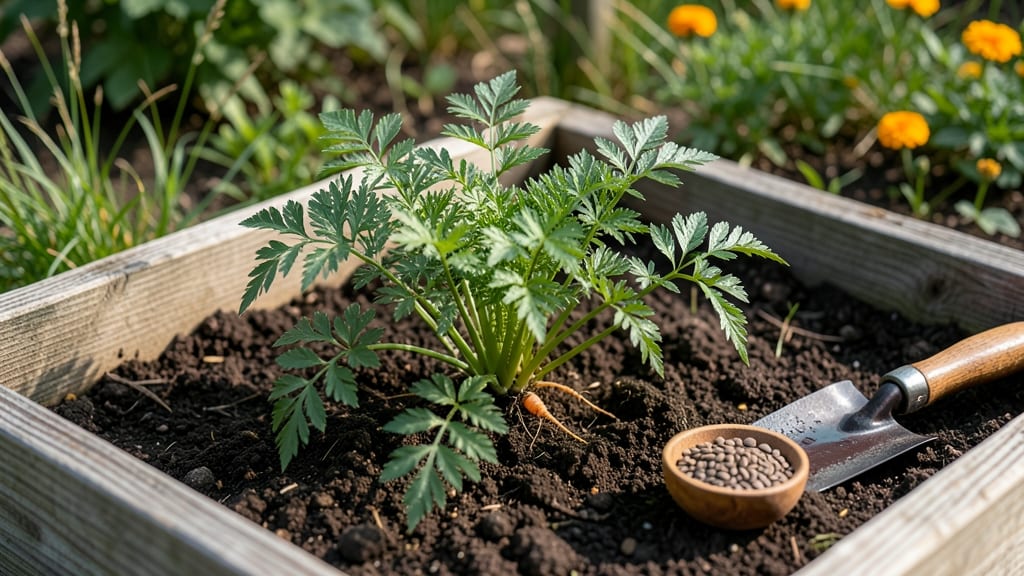
Planting carrots in East Texas at the wrong time can turn your garden dreams into a bitter disappointment—especially when those 🥕 roots bolt before you even get a harvest. The key isn’t just picking a month; it’s mastering soil temperature, a game-changer that most gardeners overlook.
With the right timing, you can avoid the frustration of stunted growth or woody roots, and instead enjoy crisp, sweet carrots straight from your backyard.
East Texas’s USDA Zone 8a climate means you’ve got two prime windows to plant: late winter and early fall. But here’s the catch—soil temperature matters more than calendar dates. Too cold, and seeds won’t germinate; too hot, and you’ll trigger bolting.
I’ll show you exactly when to put those seeds in the ground for foolproof success, so you can skip the guesswork and start harvesting by May or November.
Why does this work? Because East Texas’s sandy soil and summer heat demand a smarter approach. Most gardeners focus on frost dates, but the real secret is soil warmth—50°F to 85°F is your sweet spot.
I’ll break down the best planting times, soil prep tricks, and even which carrot varieties hold up best in our heat. No more wasted effort—just a garden full of perfect, homegrown 🥕.
Ready to grow carrots that actually thrive? Let’s dive into the soil temperature secrets that’ll transform your East Texas garden—no more bolting, no more disappointment, just crisp, sweet success. You’ll be harvesting like a pro in no time.
Best planting times for carrots in East Texas by soil temperature
Carrots thrive when planted at the right soil temperature, and East Texas's humid heat and sandy loam demand precision. Unlike cooler climates, our USDA Zone 8a allows two perfect windows: spring and fall.
Plant too early, and you risk bolting from heat stress; too late, and roots may struggle to mature before frost. The key? Soil temps between 50°F and 85°F—cooler for spring, warmer for fall.
In East Texas, soil warms quickly, so timing is critical. For spring, aim for late February to early March when soil hits 55°F–60°F. Fall planting should start August to early September as temps drop toward 75°F–80°F.
These ranges prevent premature bolting while ensuring roots grow straight and sweet. Skip the dog days of summer—90°F+ soil sends carrots shooting upward instead of downward!
East Texas’s sandy soil drains fast, so amend beds with compost or aged manure before planting. Aim for loose, fine-textured soil to prevent forked roots. For spring, sow seeds ¼ inch deep and keep soil moist until germination (7–14 days).
In fall, plant deeper (½ inch) to protect emerging seedlings from late-summer heat.
Watch for soil temp spikes—even a 5°F jump can trigger bolting. Use a soil thermometer to monitor conditions, especially in raised beds, which heat up faster. If temps climb above 85°F, provide afternoon shade with floating row covers or shade cloth.
This trick extends your fall window into early October for a second harvest.
For continuous harvests, stagger plantings every 2 weeks in spring and 3 weeks in fall. This ensures a steady supply while avoiding overcrowding. In East Texas, Danvers and Nantes varieties excel—Danvers for sweetness and Nantes for heat tolerance.
Avoid long, tapered types like Chantenay in our sandy soil; they fork easily.
Don’t forget succession planting! After your first spring harvest in May–June, sow a second batch in late July for a fall crop. Just be ready to harvest before November 15, when frost hits.
Use black plastic mulch in summer to keep soil cooler and retain moisture—this is a game-changer for East Texas gardeners.
Pro tip: Water deeply in the morning to cool soil and prevent bolting. Avoid overhead sprinklers, which can crack the soil and stress young seedlings. Instead, use drip irrigation or soaker hoses to deliver 1 inch of water weekly.
This consistency is key to growing straight, sweet carrots in our unpredictable climate.
If you’re new to carrots, start small with short-season varieties like ‘Paris Market’ (50 days) or ‘Rainbow’ (65 days). These handle East Texas’s hot summers better than long-season types. For advanced gardeners, try ‘Bolero’, a bolt-resistant hybrid that thrives in 80°F+ soil—perfect for our fall plantings.
Remember: Timing beats luck
How to avoid carrot bolting in East Texas heat: pro tips for success
East Texas summers can turn your carrot patch into a sad, leafy disappointment if you're not careful. When soil temperatures climb above 80°F, carrots bolt—sending up flower stalks instead of growing those sweet, crisp roots you crave.
But don't worry—I've got practical strategies to keep your carrots happy and productive even in our brutal heat.
The key is extending your growing season through smart timing, shade, and variety selection. By combining these methods, I've successfully grown carrots in East Texas through two full harvest cycles—spring and fall—without a single bolt. Let's dive into my proven techniques that work in our unique climate.
In East Texas, plant carrots ONLY when soil temps are 50°F-85°F. Use a soil thermometer—never guess. For spring, aim for late February-early March; for fall, August-early September. Planting outside these windows risks immediate bolting from our intense summer heat.
First, let's talk about shade cloth solutions. I swear by 30-50% shade cloth during our peak summer months (June-August). This reduces soil temperature by 10-15°F while still allowing enough light for growth.
Install it 3-4 feet above your carrot rows to create partial shade without blocking airflow completely. I've seen Danvers variety carrots thrive under this setup when planted in late July.
Mulching is another game-changer for East Texas gardeners. Apply 3-4 inches of straw mulch right after planting to keep roots cool and retain moisture. The straw acts like a natural insulator, preventing those sudden temperature spikes that trigger bolting.
For extra protection, I top-dress with black plastic mulch in the hottest months—it raises soil temps slightly but blocks harmful UV rays that stress plants.
Variety selection makes all the difference in our climate. 'Nantes' types handle heat better than 'Danvers' varieties, which bolt more easily. For summer planting, I recommend 'Paris Market' or 'Little Finger'—both stay compact and sweet even in 90°F+ conditions.
These shorter varieties also work well in containers if you're dealing with sandy East Texas soil that can dry out quickly.
Watering strategy is often overlooked but crucial. Instead of daily light watering, I give my carrots deep waterings every 2-3 days in the morning. This encourages deep root growth and prevents the soil from getting too hot at the surface.
For container-grown carrots, I actually float the pots in saucers of water during peak heat to maintain consistent moisture without wetting the foliage.
Finally, consider succession planting every 2-3 weeks through our fall planting window (August-September). This staggered approach ensures you always have fresh, bolt-free carrots coming in. I've had great success with fall-planted 'Rainbow' varieties that mature just before our first frost—giving me crisp carrots through November.