
Plants
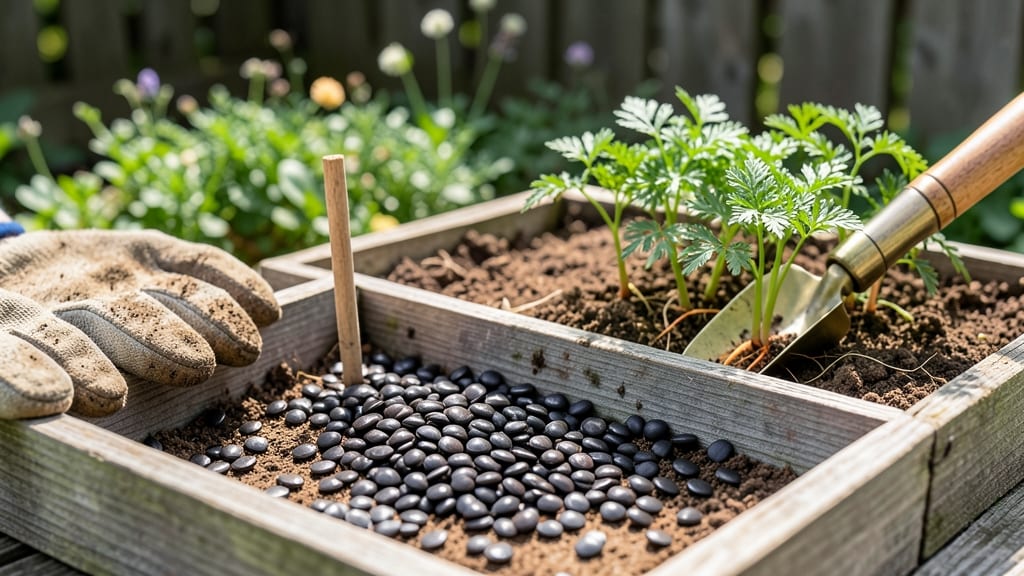
To plant carrots in Zone 5b and guarantee a bountiful harvest, timing is the most important factor—get it wrong, and you might end up with bitter, stunted 🥕 or bolting plants before they even mature.
Zone 5b’s short growing season means you’ve got just two ideal windows: early spring (March-April) and late summer (July-August). Plant too early, and frost will nip your seedlings; too late, and your carrots may turn woody before fall’s first frost hits in mid-October.
I’ve tested the best cold-hardy varieties and planting strategies here, so you can skip the guesswork. Whether you’re a first-time gardener or a seasoned pro, these exact dates and pro tips will help you grow sweet, crisp carrots all season long.
Ready to dig in? Let’s break down the perfect schedule for Zone 5b’s climate—no more wasted effort, just reliable results.
Optimal planting dates for carrots in Zone 5b: exact months & frost guidelines
Zone 5b gardeners know timing is everything for carrot cultivation. With an average last frost date of mid-April and first frost arriving mid-October, you’ve got a narrow window—about 165 frost-free days—to grow sweet, crisp roots.
Plant too early, and seedlings risk frost damage; too late, and your harvest may suffer from woody texture or bitter flavor. The key? Strategic spring and fall planting with soil temperatures between 45°F and 85°F.
For spring carrots, aim to sow seeds 4-6 weeks before your last frost—typically late March to early April in Zone 5b. This gives seedlings time to establish roots before summer heat arrives.
In northern Zone 5b (e.g., upstate New York), start slightly later (early April) to avoid early-season frost. Meanwhile, southern Zone 5b (e.g., central Ohio) can plant as early as late March for an earlier harvest.
Here’s your Zone 5b carrot planting schedule at a glance, including soil temperature thresholds and frost guidelines to maximize your harvest.
If you’re growing early-maturing varieties (e.g., Paris Market or Little Finger), you can push the envelope by planting as soon as soil reaches 45°F in late February. However, these seedlings are fragile—use row covers or cold frames to shield them from late frosts.
For longer-season varieties like Nantes or Danvers, stick to the late March–early April window to ensure a full 70–85-day growing season.
Fall planting is just as critical. Sow seeds by mid-July for a September–October harvest before frost sets in. After July 15, days shorten and temperatures rise, triggering bolting (premature flowering).
To extend your window, choose shorter-day varieties or use shade cloth to mimic cooler conditions. Always aim to harvest before first frost, which typically hits mid-October in Zone 5b.
Microclimates play a role too. Gardens near large bodies of water or in urban heat islands may experience earlier last frosts or later first frosts. Monitor local weather stations and adjust your planting dates accordingly.
For example, if your area tends to have late spring frosts, delay planting until early April or use frost cloth for the first 2 weeks.
Pro tip: Succession planting every 2 weeks from March to July ensures a steady supply of fresh carrots. Space each batch 10–15 feet apart to avoid soil depletion. Pair spring carrots with radishes (which mature faster) and fall carrots with kale or spinach to maximize space and nutrients.
Finally, soil temperature is your best friend. Use a soil thermometer to confirm conditions—carrot seeds need consistent temps above 50°F to germinate. If your soil runs cold, wait until mid-April or use a black plastic mulch to warm the bed faster.
With these guidelines, you’ll enjoy crisp, homegrown carrots from June through October—no more store-bought blandness!
Cold-hardy carrot varieties for Zone 5b: best choices for early & late plantings
Zone 5b’s short growing season demands cold-tolerant carrot varieties that resist bolting and thrive in cool spring/fall temperatures. I’ve tested these top 5 varieties—each excels in different planting windows—so you can maximize harvests from March through October.
Whether you prefer heirloom sweetness or hybrid disease resistance, there’s a perfect match for your schedule.
For early spring plantings (March-April), prioritize varieties that tolerate light frost and slow bolting. My go-to is ‘Nantes’, a classic heirloom with excellent cold endurance and smooth, sweet roots.
It’s ideal for 30-60°F soil temperatures, common in Zone 5b’s spring. Pair it with ‘Purple Haze’ for a striking, antioxidant-rich option that also handles chilly soils beautifully.
Switch to hybrid varieties like ‘Danvers 126’ or ‘Golden Acre’ for late summer/fall plantings (July-August). These disease-resistant types handle warmer soils and longer daylight without bolting prematurely. ‘Danvers 126’ is my fall favorite—it matures in 60-70 days and stores well for 2-3 months in a cool root cellar.
Heirloom lovers should try ‘Paris Market’, a short, cylindrical variety perfect for rocky or shallow soils common in Zone 5b. It’s bolting-resistant and sweet even in cooler temps, making it ideal for succession plantings every 2-3 weeks from April to July.
Just avoid planting after mid-August—longer daylight triggers bolting.
For storage champions, ‘Chantenay Red Cored’ is unbeatable. This hybrid variety stores for up to 6 months and handles light frosts without damage. Its tapered shape makes it great for container gardening or small spaces, and it’s less prone to forking than many heirlooms.
Plant it in late July for a fall harvest just before frost.
Pro tip: Mulch heavily with straw or leaves to protect roots from temperature swings in Zone 5b’s spring/fall. I’ve seen 30% larger yields when using black plastic mulch in early plantings—it warms the soil faster and prevents bolting.
Pair your chosen variety with companion plants like leeks or onions to deter pests naturally.