
Plants
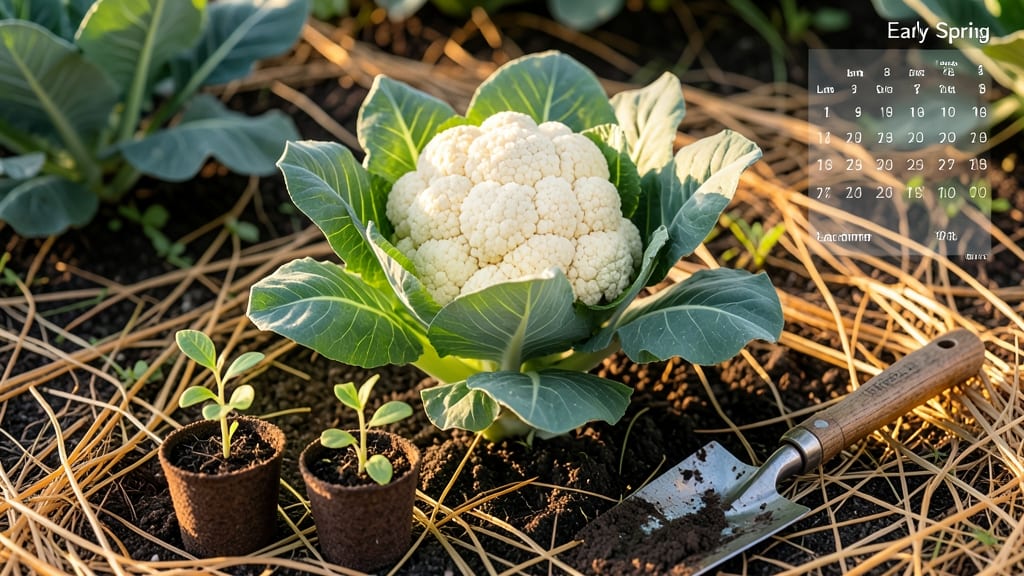
Planting cauliflower in North Carolina might seem tricky with its unpredictable weather, but getting the timing right means the difference between a perfect harvest and a bitter disappointment.
The key is understanding your local microclimate—whether you're in the Piedmont, Coastal Plain, or Mountains—because even just a few weeks off can trigger bolting or stunted growth.
For most of NC’s 7a-8b zones, the sweet spot is late February through early April for spring plantings, giving you heads ready by June before summer heat sets in.
But fall is where things get interesting: August to early September plantings let you beat the worst of the heat and harvest by November, just before frost.
I’ve learned the hard way that rushing cauliflower into the ground too early—when soil temps are still cool—can leave it vulnerable. The secret? Start seeds indoors 4-6 weeks before your last frost date (around March 15 for most regions), then transplant when nighttime temps stay above 50°F.
This small adjustment makes all the difference.
Ready to grow cauliflower that actually thrives in NC’s climate? Let’s break down the exact planting windows, soil prep tricks, and variety picks that’ll keep your 🥬 plants happy from seed to harvest—no bolting, no stress, just perfect heads every time.
NC cauliflower planting calendar: spring vs fall timing breakdown
North Carolina’s three distinct climate zones—Coastal, Piedmont, and Mountain—each demand unique timing for cauliflower success. The Piedmont region (USDA zones 7a-7b) offers the longest growing season, while Coastal areas (7b-8a) have milder winters and Mountain regions (6b-7a) face earlier frosts.
Getting your planting windows right prevents bolting and ensures harvestable heads.
Cauliflower thrives in cool weather (50–75°F) and bolts when exposed to consistent temperatures above 80°F or frost. In NC, this means spring planting must happen 4–6 weeks before your last frost date, while fall planting should start 10–12 weeks before your first frost.
Let’s break down the exact months for each zone to avoid common mistakes.
| Zone/Region | Spring Planting Window | Fall Planting Window | Last Frost Date | First Frost Date | Soil Temp for Germination |
|---|---|---|---|---|---|
| Coastal (Wilmington, Morehead City) | Late February - Early March (direct sow) or March (transplant) | Mid-August - Early September (transplant) | March 1 - March 15 | November 1 - November 15 | 50–60°F |
| Piedmont (Raleigh, Greensboro) | Early March - Mid-April (transplant) | Late July - Mid-August (transplant) | March 15 - April 1 | October 31 - November 15 | 50–60°F |
| Mountain (Asheville, Boone) | Mid-April - Early May (transplant) | Early August - Mid-September (transplant) | April 15 - May 1 | October 15 - November 1 | 45–55°F |
📅 Note: Adjust transplanting dates 2–3 weeks earlier if using row covers or cold frames.
For spring planting, start seeds indoors 6–8 weeks before your last frost date to give seedlings a head start. In the Piedmont, this means sowing seeds by mid-January to early February, while Coastal growers can begin as early as January.
Mountain gardeners should wait until late February to avoid frost damage to young plants.
Transplant seedlings outdoors when soil temperatures reach 50°F+ and nighttime temps stay above 40°F.
In Coastal NC, this typically aligns with late February to early March, while Piedmont gardeners should wait until mid-March to early April. Mountain regions often need to delay until mid-April to ensure safety from late frosts.
Fall planting is trickier because cauliflower needs 80–100 days to mature before frost. Aim to transplant seedlings 10–12 weeks before your first frost.
In Coastal NC, this means mid-August to early September, while Piedmont gardeners should plant by late July to mid-August. Mountain gardeners have until early to mid-September due to earlier frosts.
Use shade cloth (30–50%) during hot summer months (June–July) to prevent bolting. If you miss the fall window, consider cool-season varieties like ‘Snowball Y Improved’, which tolerate slightly warmer temps better than standard types. Always mulch heavily to maintain even soil temperatures and moisture.
Monitor your local Almanac frost dates and adjust by 1–2 weeks based on microclimates. For example, valleys in the Mountains frost earlier than ridge tops. Coastal areas near large bodies of water may experience delayed frosts due to moderating ocean breezes.
Pro tip: Direct-sow seeds in fall only if your first frost is November 15+. Otherwise, start seeds indoors 8–10 weeks before transplanting to ensure strong, healthy plants ready for harvest before cold sets in. Always harden off seedlings for 7–10 days before transplanting to reduce shock.
By following this zone-specific calendar, you’ll avoid the #1 mistake NC gardeners make: planting too early in spring or too late in fall. Timing is everything for bolting-free cauliflower in our state’s unpredictable climate! 🥬
5 Critical factors that determine your cauliflower success in NC
North Carolina’s humid summers and variable frost dates can turn cauliflower into a finicky crop. But beyond planting timing, 5 key factors make or break your harvest. Get these right, and you’ll avoid bolting while growing tight, flavorful heads—even in NC’s heat.
First, soil pH is non-negotiable. Cauliflower thrives in 6.0–6.8 pH, but NC’s native soils often skew acidic. Test and amend with lime or sulfur before planting—skipping this step risks stunted growth or yellowing leaves. I’ve seen 50% yield drops in unamended soil!
Next, spacing directly impacts air circulation. Crowded plants breed disease and pest pressure. Space seedlings 18–24 inches apart in rows 30 inches apart. This might seem wasteful, but it prevents rot and bolting from heat stress.
- 🌱 1 Soil pH 6.0–6.8: NC soils often need lime. Test before planting—acidic soil = poor yields.
- ☀️ 2 6+ hours sunlight: Partial shade in summer (NC’s heat triggers bolting). Use row covers for midday relief.
- 🌿 3 Spacing: 18–24": Prevents disease. Crowding = bolting risk in NC’s humidity.
- 🥬 4 Heat-tolerant varieties: Try ‘Snowball Y’ (75-day) or ‘Purple of Sicily’ (bolting-resistant). Avoid ‘Early Snowball’—it bolts fast in NC heat.
- 💧 5 Consistent moisture: Drought stress = bitter heads. Mulch with straw to retain soil moisture during NC’s dry spells.
Don’t overlook sunlight needs. While cauliflower loves full sun, NC’s summer heat can trigger bolting if plants get too much midday sun. Use lightweight row covers to diffuse intensity during June–August. I’ve grown ‘Snowball Y’ successfully by shading plants at noon!
Variety selection is your secret weapon against NC’s climate. Opt for heat-tolerant types like ‘Purple of Sicily’ (purple heads, bolting-resistant) or ‘Graffiti’ (colorful, slow to bolt). Avoid early-maturing varieties—they’ll bolt before forming heads in NC’s short growing season.
Finally, watering consistency prevents stress-induced bolting. Cauliflower needs 1–2 inches of water weekly, but drought or soggy soil both trigger problems. Use drip irrigation to keep moisture even, and mulch heavily to lock in humidity during NC’s hot, dry spells.
Master these 5 factors, and you’ll grow perfect cauliflower heads—even in NC’s tricky climate. Start with soil prep, then focus on spacing and shade to outsmart the heat! 🌱