
Plants
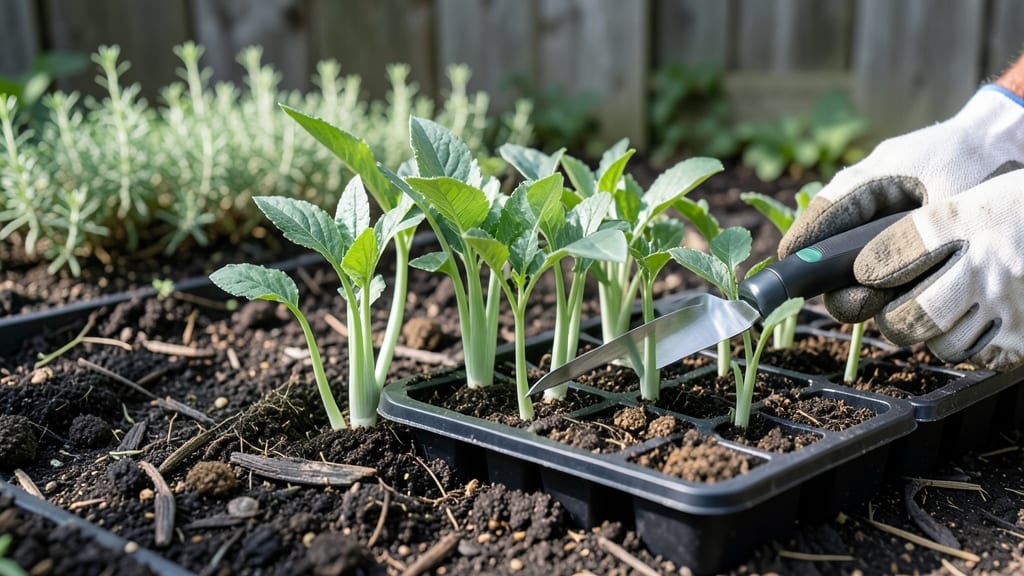
Planting celery at the wrong time in Zone 6 can turn your crisp, flavorful harvests into bitter disappointment—so timing is everything. 🥬 This cool-weather crop thrives when temperatures stay mild, but if you wait too long, you’ll end up with tough stalks or bolting plants before they even mature.
Most gardeners in Zone 6 (General) focus on two key windows: early spring and late summer. The secret lies in avoiding both frost and scorching heat, which can stress your celery plants.
For the best results, we’ll break down the exact months to start seeds indoors or transplant seedlings—plus how to extend your growing season for maximum yield.
Spring planting gives you a head start, but fall often delivers sweeter, more tender stalks. I’ll share the precise dates to aim for in your region, along with pro tips for soil prep and protecting your crop from early frosts.
Whether you’re a beginner or a seasoned gardener, these strategies will help you grow celery that’s as delicious as it is easy.
Ready to grow celery that’s crisp, flavorful, and ready to harvest? Let’s dive into the best planting windows for Zone 6—so you can enjoy homegrown celery all season long.
Optimal spring planting times for celery in Zone 6
Celery in Zone 6 loves cool weather but hates summer heat—planting too early risks frost damage, while late planting often results in bitter stalks or bolting. The key is timing: aim for early spring when soil temperatures hover between 45°F and 75°F.
This window ensures slow, steady growth without stress. I’ve found that starting seeds indoors 10-12 weeks before your last frost date (typically mid-April in Zone 6) gives seedlings a head start before transplanting outdoors.
Your first step is checking soil temperature—celery roots struggle in cold, waterlogged soil below 45°F. Use a soil thermometer to confirm warmth before planting. If your spring is unpredictable, consider row covers or cold frames to protect young plants from late frosts.
I’ve successfully extended my growing season by 2-3 weeks this way, giving celery more time to mature before summer heat arrives.
Here’s the critical timeline for spring planting in Zone 6, including soil prep and transplanting tips:
| Stage | Action | Key Details |
|---|---|---|
| Indoor Seed Start | Start seeds | 10-12 weeks before last frost (Feb 15-March 1) |
| Soil Prep | Amend soil | Add compost; pH 6.0-7.0 |
| Transplant Outdoors | Move seedlings | After last frost (mid-April); soil 45°F+ |
| Mulch | Apply mulch | Straw or shredded leaves; retain moisture |
| Harvest Ready | Cut stalks | 90-150 days after transplant; before summer heat |
For Zone 6 gardeners, the ideal transplant window is mid-April to early May, once nighttime temperatures consistently stay above 50°F. I’ve noticed that seedlings transplanted too early may bolt prematurely, while those planted too late often produce small, tough stalks before summer arrives.
To avoid this, I harden off seedlings for 7-10 days before transplanting—gradually exposing them to outdoor conditions.
Celery thrives in partial shade (4-6 hours of sun daily), making it perfect for morning sun in Zone 6’s hot summers. Choose a spot with well-draining soil—celery roots rot easily in soggy conditions.
If your garden soil is heavy clay, mix in sand or peat moss to improve drainage. I’ve seen celery yields double when planted in raised beds with amended soil, especially in wet springs.
Extending the growing season is key to maximum yield in Zone 6. Use shade cloth (30-50%) during peak summer heat to prevent bolting. I’ve also had success with succession planting: sow a second batch of seeds in early July for a fall harvest.
These later plantings mature just in time for cool autumn temperatures, avoiding the bitter taste that comes with summer heat stress.
Watering is critical—celery requires consistent moisture to prevent bitter flavors. Aim for 1-2 inches of water weekly, watering deeply in the morning to reduce fungal risks. Let the top inch of soil dry slightly between waterings, but never let the plant wilt.
Mulching with straw or grass clippings helps retain moisture and keeps roots cool, which is especially important in Zone 6’s hot, dry summers.
Fertilizing plays a big role in crisp stalks. Use a balanced 10-10-10 fertilizer every 4-6 weeks starting when seedlings are 4-6 inches tall. I’ve found that side-dressing with compost mid-season gives celery a nutrient boost without overloading it with salts.
Avoid high-nitrogen fertilizers—they promote leafy growth at the expense of thick, tender stalks.
Watch for pests like celery leaf tier and diseases such as early blight, common in Zone 6’s humid springs. Rotate crops annually to prevent soil-borne diseases, and remove any yellowing or spotted leaves immediately.
I’ve used neem oil as a preventive spray, applying it every 2 weeks during peak growing season to keep pests at bay.
Harvest your celery when stalks are 12-18 inches tall and at least ½ inch in diameter. Cut outer stalks first, leaving the center to regrow for multiple harvests. In Zone 6, aim to finish harvesting by mid-October before the first hard frost.
Store unharvested celery in a cool, dark place or wrap stalks in damp paper towels and refrigerate for up to 2 weeks.
Fall planting secrets for Zone 6 celery success
Fall planting often delivers sweeter, more tender celery than spring because cooler temperatures slow bolting and encourage steady stalk development. In Zone 6, where first frosts typically arrive by mid-October, timing is everything.
Planting too early risks heat stress, while waiting too long cuts harvest windows short. The key window is late July through early August for a fall harvest before winter sets in.
Unlike spring, fall celery thrives with 60-70°F soil temperatures and shorter daylight hours, which naturally slow growth and prevent bitterness. Start seeds indoors 8-10 weeks before transplanting (around mid-June) to give seedlings a head start. Harden them off for 10 days before moving outdoors to avoid transplant shock.
⚠️ CRITICAL TIMING WARNING ⚠️ DO NOT PLANT AFTER MID-AUGUST in Zone 6—celery needs 90-150 days to mature, and frost will kill seedlings before harvest.
Use this fall planting timeline: ✅ July 20-31: Ideal for direct sowing or transplanting hardened seedlings ✅ August 1-15: Last chance for a fall harvest (harvest by October 10) ❌ After August 15: Risk of frost before maturity, even with row covers 🌱 Pro Tip: Check your local first frost date—count back 120 days to set your planting deadline.
Prepare your soil by amending with compost or aged manure to improve drainage, since celery hates soggy roots. Aim for a pH of 6.0-6.8—test your soil 2 weeks before planting to adjust with lime or sulfur if needed.
Space seedlings 6-8 inches apart in rows 12-18 inches apart to allow airflow and reduce disease risk.
Protect your fall celery from early frosts with row covers or cold frames. Even light frosts (28-32°F) can damage young plants, so have floating row covers ready by early September.
Water deeply 2-3 times per week (morning only) to prevent stress—celery wilt is a common fall issue when roots dry out.
Harvest begins in late September to November, depending on your planting date. Cut outer stalks first to encourage regrowth, or pull the whole plant when 12-18 inches tall with ½-inch-thick stalks.
Store harvested celery in a cool, humid place (like a root cellar) for up to 2 weeks post-harvest.
Fall-planted celery often outperforms spring crops in Zone 6 because cooler nights sweeten the stalks and reduce pest pressure. With the right timing and protection, you’ll enjoy homegrown celery straight from your garden through late autumn—just in time for holiday meals! 🥬