Trees
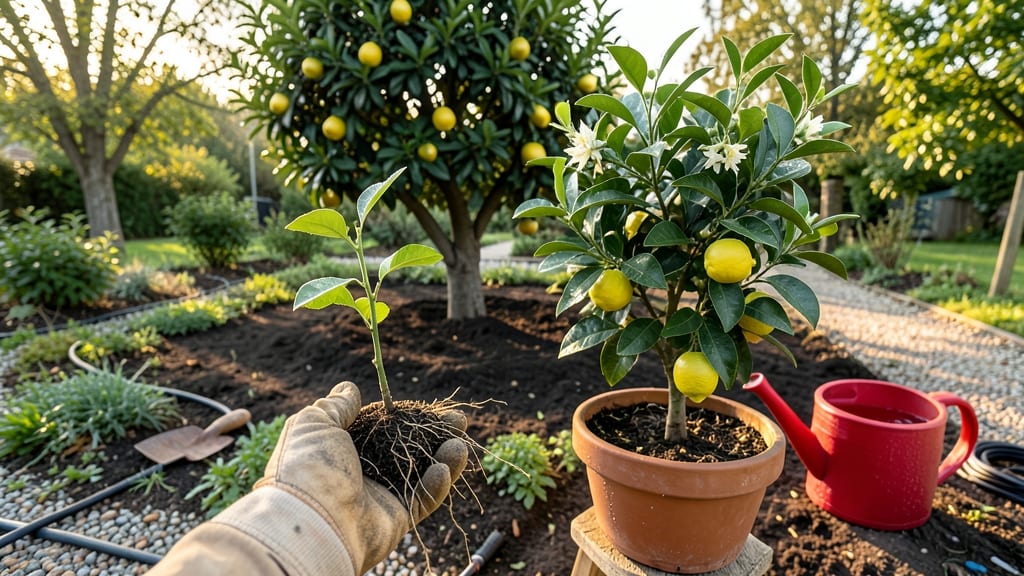
Planting a citrus tree 🍊 in Arizona isn’t just about grabbing a sapling—it’s about timing it right to avoid frost damage or heat stress.
The best window to plant citrus trees in AZ runs from November through March, when temperatures are mild and the tree can establish roots before summer’s brutal heat arrives.
Why does this matter? Arizona’s unique microclimates mean what works in Phoenix might fail in Flagstaff. In frost-free zones like 9b-11, you’ve got flexibility, but even there, summer planting risks shock.
I’ll break down the exact months for your specific heat zone and how to prep soil for maximum success.
You might think citrus trees are low-maintenance, but planting them at the wrong time can lead to stunted growth or even death. The key is understanding your local frost dates—even if they’re rare—and soil temperatures.
Let’s dive into the science behind the perfect planting window so your citrus tree thrives year-round.
From transplanting young trees to starting from seeds, I’ll cover everything you need to know to give your citrus tree the best start. By the end, you’ll know exactly when to dig in and how to protect your investment from Arizona’s unpredictable weather patterns.
Arizona’s citrus planting calendar by heat Zone (frost-free timeline)
Arizona’s three distinct heat zones create wildly different citrus planting windows. The Low Desert (Zones 9-10) enjoys year-round warmth, while the High Desert (Zone 7) faces occasional frost. Even the Mid Desert (Zone 8) requires careful timing to avoid winter damage.
Let’s break down the perfect frost-free windows for each zone, including soil temperature triggers that ensure root success.
Citrus trees thrive when planted during their dormant season (November-March), when cooler temps reduce transplant shock. In the Low Desert, you can plant almost year-round, but late fall to early spring gives roots time to establish before summer’s intensity.
Meanwhile, High Desert growers must plant between October and December to avoid frost, which can kill young trees. Let’s explore the exact month-by-month breakdown.
| Heat Zone | Best Planting Months | Soil Temp for Planting | Frost Risk | Notes |
|---|---|---|---|---|
| Low Desert (Zones 9-10) | November–March | 60–75°F (15–24°C) | None | Year-round possible but avoid summer heatwaves. |
| Mid Desert (Zone 8) | October–December | 55–65°F (13–18°C) | Low (occasional light frost) | Plant before first frost; use frost cloth for protection. |
| High Desert (Zone 7) | October–November | 50–60°F (10–15°C) | Moderate (28°F/-2°C risk) | Use dwarf varieties; mulch heavily for winter. |
For the Low Desert (Zones 9-10), November through March is ideal because soil temperatures stay in the 60–75°F range, perfect for root establishment. This zone’s frost-free guarantee means you can plant even in late winter, but avoid summer heatwaves (above 100°F), which stress young trees.
If you plant in April, prioritize dwarf varieties like Meyer lemons, which handle heat better.
In the Mid Desert (Zone 8), your window narrows to October–December due to light frost risk. Soil should be 55–65°F—check with a soil thermometer before planting.
If you miss this window, wait until February, but be ready to protect with frost cloth if temps dip below 32°F. Urban areas like Phoenix may have microclimates that extend the window slightly.
The High Desert (Zone 7) is the most challenging, with frost possible as late as March. Plant between October and November when soil is 50–60°F, and choose dwarf or semi-dwarf varieties like Calamondin or Satsuma mandarins. Mulch heavily with 4–6 inches of wood chips to insulate roots.
If you live near Flagstaff or Prescott, consider container-growing for winter protection.
Regardless of your zone, always avoid summer planting—the intense Arizona sun and 110°F+ temps can scorch young citrus. Instead, time your planting to align with cooler months when roots can establish without stress.
For container-grown citrus, you can plant slightly later (up to April), but move pots to shade during peak heat.
Pro tip: Acclimate bare-root trees for 1–2 weeks before planting by soaking roots in water mixed with rooting hormone. This boosts survival rates, especially in drier zones like Yuma. For potted citrus, transplant when roots fill the pot—this ensures minimal shock and faster establishment.
Finally, monitor your local USDA frost maps or AZ AgriLife Extension updates for last frost dates. While the Low Desert rarely sees frost, elevations above 4,000 feet (like Sedona) can drop below freezing. Adjust your timeline accordingly, and your citrus will thrive for decades.
🌱
Critical factors that determine your planting window (beyond just months)
Arizona’s frost-free timeline isn’t the only factor—soil temperature, citrus variety, and even your backyard’s microclimate can shift your planting window by weeks. For example, a Meyer lemon thrives in 60-70°F soil, while grapefruit needs 55-65°F to avoid root shock.
These differences mean your ideal window could be November for one variety and February for another.
Beyond the calendar, Arizona’s urban heat islands (like Phoenix) can add 5-10°F to soil temps, while high-desert areas (e.g., Flagstaff) may need earlier planting to avoid late frosts.
Even a 10-foot elevation change can alter your frost risk—so check local USDA Zone maps and historical frost data for your exact location.
- Soil Temperature: Citrus roots need 55-70°F soil to establish. Use a soil thermometer—plant when temps stabilize above 60°F for 7+ days.
- Citrus Variety: Meyer lemons tolerate cooler soils (plant October-November), while grapefruit and oranges need warmer soils (plant January-February).
- Microclimates: Urban areas (e.g., Phoenix) stay 5-10°F warmer than rural zones—plant 2-3 weeks later. High desert (e.g., Prescott) may need earlier planting to avoid 28°F frosts.
- Frost Dates: Even in Zone 9-10, late winter frosts (e.g., January 2021) can kill young trees. Monitor NOAA frost alerts and plant 4-6 weeks before the average last frost.
- Container vs. Ground: Potted citrus warms up faster—plant 1-2 weeks earlier than in-ground trees. Use black pots to absorb heat if planting late.
If you’re planting in containers, adjust your timeline by 1-2 weeks earlier—potted soil heats up faster than ground soil, giving you a head start. For ground planting, wait until the soil thermometer consistently reads 60°F+ at 6-inch depth.
Pro tip: Mulch heavily (4-6 inches of wood chips) to stabilize soil temps and retain moisture during Arizona’s 100°F+ summers.
Don’t rely solely on monthly calendars. For example, Phoenix’s urban heat can push your planting window 2 weeks later than rural areas like Tucson. Use a combination of soil temp data, local frost records, and citrus variety needs to pinpoint your exact window.
My Meyer lemon thrives when planted in late November, while navel oranges need to wait until mid-January.
For high-desert zones (Zone 7), like Flagstaff, plant Meyer lemons in October to avoid 28°F frosts—but protect young trees with burlap wraps or frost cloth through December.
In low-desert zones (Zone 10), like Yuma, you can plant year-round, but avoid summer heat (above 95°F) to prevent transplant shock.
Your planting window isn’t just about months—it’s about soil science, local climate quirks, and citrus biology. By combining these factors, you’ll give your tree the best shot at root establishment before Arizona’s scorching summers kick in.
Start with a soil thermometer, check 3-year frost data, and match your variety to your microclimate for success. 🌱