
Plants
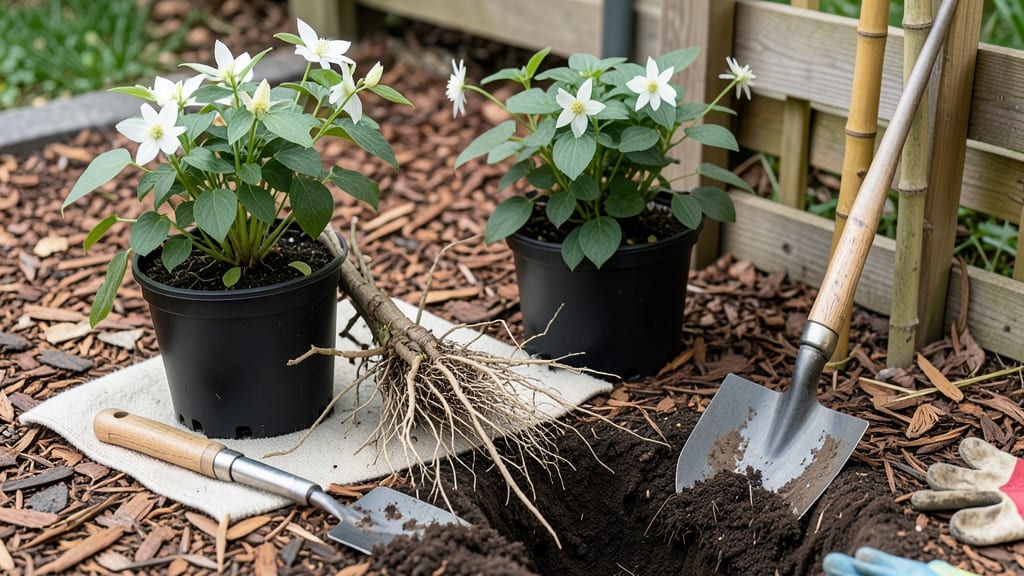
Planting clematis in Ohio at the wrong time can leave your 🌸 vines struggling to take root before summer heat or winter frost hits—but timing it right means stunning blooms for years. Ohio’s 6a zone gives you two prime windows: early spring or fall, each with its own advantages.
Spring planting lets you get a head start on growth, but Ohio’s unpredictable weather can turn your garden into a waiting game. Fall, on the other hand, offers cooler temps and moist soil, giving roots time to settle before winter.
I’ll break down which option works best for your climate and how to prepare your soil for success.
Whether you’re a first-time gardener or a seasoned pro, knowing when to plant clematis in Ohio is the key to avoiding common pitfalls. From soil prep to choosing the right varieties for your yard, I’ve got the easiest steps to ensure your vines thrive from day one.
Let’s dive into the best times to plant, how to tell if your soil is ready, and why some gardeners swear by fall while others prefer spring. Your perfect clematis timing starts here!
Best time to plant clematis in Ohio: spring vs fall planting guide
Ohio’s unpredictable spring frost dates and hot summer temperatures create a tricky window for planting clematis. As a gardener who’s planted clematis in both seasons, I’ve learned that timing isn’t just about months—it’s about soil temperatures and frost risks.
In Ohio’s USDA Zone 6a, both spring and fall offer advantages, but each comes with unique challenges.
Clematis thrive when planted during cooler months when roots establish before extreme heat. In my experience, late March to mid-April (after the last frost) and mid-September to early October (6 weeks before first frost) are the sweet spots.
However, Ohio’s climate variability means you’ll need to adjust based on your specific microclimate—whether you’re in southern Ohio’s warmer zones or northern Ohio’s cooler regions.
The key difference between spring and fall planting lies in root establishment and dormancy preparation. Spring planting gives vines a full growing season to develop roots before summer, while fall planting allows roots to settle before winter.
Both methods work, but each requires different soil conditions and care strategies to succeed.
| Factor | Spring Planting (March-April) | Fall Planting (September-October) |
|---|---|---|
| Ideal Soil Temp | 50-60°F (10-15°C) | 50-65°F (10-18°C) |
| Frost Risk | Moderate (late frosts possible) | Low (6 weeks before first frost) |
| Establishment Time | Full growing season | 6-8 weeks before dormancy |
| Watering Needs | High (daily for first 2 weeks) | Moderate (weekly) |
| Best For Varieties | Large-flowered types | Hardy varieties (e.g., 'Jackmanii') |
| Mulching | Light mulch (1-2 inches) | Heavy mulch (3-4 inches) |
When planting clematis in spring, aim for late March to mid-April when soil temperatures consistently stay above 50°F (10°C). This timing reduces frost damage risks while giving vines time to establish before summer.
In my garden, I’ve found that planting in early April works best for southern Ohio, while northern regions should wait until mid-April to avoid late frosts.
For fall planting, focus on mid-September to early October—about 6 weeks before Ohio’s first frost. This window allows roots to develop without exposing the plant to winter stress.
I’ve had success planting as late as October 1st in southern Ohio, but northern gardeners should plant by September 20th to ensure roots establish before cold sets in.
Ohio’s clay-heavy soils can be a challenge for clematis, which prefer well-draining, slightly alkaline soil. Before planting, I always amend the soil with compost and sand to improve drainage.
For spring plantings, I add a slow-release fertilizer to support early growth, while fall plantings get a light feeding in early spring instead.
One critical tip I’ve learned: plant clematis deep. The crown should be 4-6 inches below soil level to protect it from temperature fluctuations. This also encourages stronger root growth. I use a trellis or arbor installed before planting to provide immediate support, as clematis vines need structure to climb.
Monitoring local frost dates is essential. The Ohio State University Extension provides frost-free date maps that help determine your planting window. For example, Columbus typically has a last frost around April 15th, while Cleveland averages April 20th. Adjust your timing accordingly—don’t rush planting just because your neighbor is!
If you’re unsure whether to plant in spring or fall, consider your clematis variety. Large-flowered types like ‘Nelly Moser’ often do better with spring planting, while hardy varieties like ‘Jackmanii’ can handle fall planting.
I’ve also found that early spring plantings produce more blooms in the first year, while fall plantings establish stronger root systems for future growth.
Regardless of when you plant, consistent watering is key. Clematis need 1-2 inches of water per week during establishment. In Ohio’s summer heat, I water deeply in the morning to reduce evaporation and fungal risks. Mulching with 3-4 inches of organic matter
How to prepare Ohio soil for clematis planting in spring or fall
Ohio’s clay-heavy soils can be challenging for clematis roots, which need well-draining conditions to thrive. Without proper preparation, your vines may struggle with root rot or poor nutrient uptake. The good news? With a few key steps, you can transform even the densest Ohio soil into a clematis paradise.
Clematis prefers slightly acidic to neutral soil (pH 6.0-7.0) and benefits from organic matter to improve aeration. In Ohio’s Zone 6a, spring and fall are ideal planting windows—but only if your soil is ready. Let’s break down the essential steps to create the perfect growing environment.
🌱 Step-by-Step Soil Prep for Clematis in Ohio
-
1. Test Your Soil’s pH
Use a soil test kit to check pH. If below 6.0, add lime (spring) or wood ash (fall). For pH above 7.0, mix in sulfur or peat moss. -
2. Break Up Compacted Clay
Dig a 12-inch-deep hole and loosen soil with a garden fork. Add 1-2 inches of compost or aged manure to improve drainage and fertility. -
3. Improve Drainage
Mix in coarse sand or perlite (1 part sand to 3 parts soil) to prevent waterlogging. Ohio’s clay holds moisture—this step is critical for root health. -
4. Add Organic Matter
Blend in composted leaves or well-rotted compost (3-4 inches) to feed microbes and retain moisture. Avoid fresh manure—it can burn roots. -
5. Plant with Support
Install a trellis or arbor before planting. Clematis roots need 4-6 inches of soil cover for protection, but stems should have immediate support. -
6. Mulch for Moisture
Apply 2-3 inches of mulch (straw or shredded bark) to retain moisture and regulate soil temperature. Keep mulch 6 inches away from stems to prevent rot.
For spring planting, focus on amending soil 4-6 weeks before transplanting to let nutrients settle. In fall, prioritize organic matter addition and drainage improvements—roots will benefit all winter. Avoid working wet clay; wait for soil to dry slightly after rain.
Clematis roots are shallow but extensive—never disturb them once established. After planting, water deeply to encourage root spread. In Ohio’s humid summers, consistent moisture is key, but avoid soggy soil. With these prep steps, your clematis will have the ideal foundation to climb, bloom, and thrive for years.
Pro tip: If your soil feels rock-hard, consider planting in a raised bed filled with a mix of topsoil, compost, and perlite. This mimics the well-draining conditions clematis loves—especially in heavy-clay regions like northeast Ohio. 🌿