
Plants
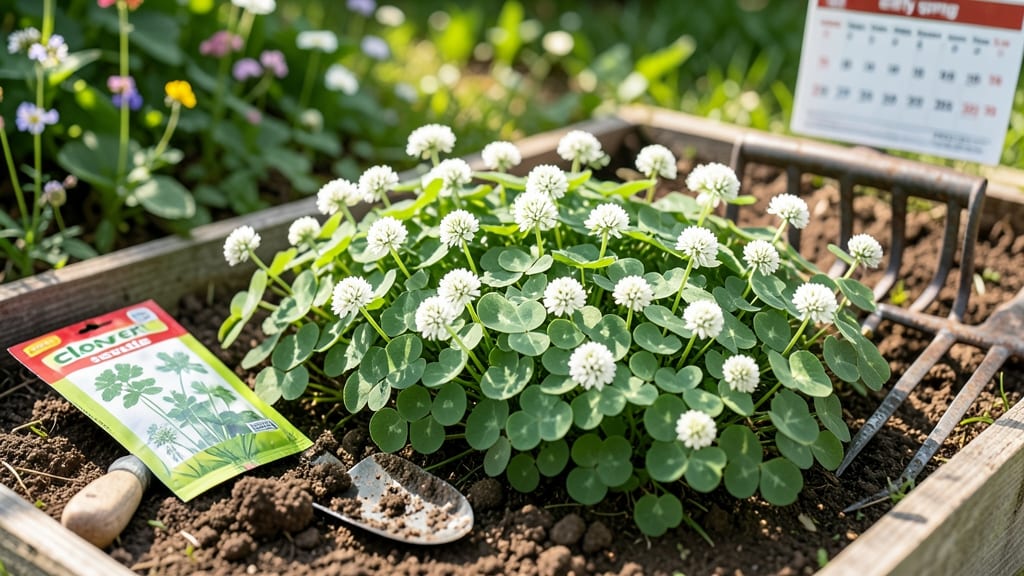
Planting clover in Indiana at the wrong time can mean wasted seed and missed soil benefits—especially when unpredictable frost dates loom. Whether you're aiming for a lush cover crop or a nitrogen-rich lawn, timing is everything to give your 🌱 clover the best shot at thriving in zones 5b-6b.
Most Indiana gardeners know spring is the prime window, but did you realize early fall also works? The key is planting when soil temperatures hit 50°F—typically by mid-April for spring or late August for fall—so roots establish before winter sets in.
This simple rule can mean the difference between a thriving clover patch and a failed experiment.
In this guide, I’ll break down the exact frost-free deadlines for your microclimate, including how to adjust for Indiana’s rollercoaster weather. You’ll learn which clover varieties handle our short growing season best and how to hedge your bets if Mother Nature throws a curveball.
Ready to transform your soil or lawn? Let’s get your clover off to the right start—no guesswork required.
Indiana clover planting deadlines by microclimate Zone (5-6)
Timing is everything when planting clover in Indiana, where Zone 5 and Zone 6 microclimates create distinct frost-free windows. Northern Indiana's colder springs demand earlier starts, while Southern Indiana's milder climate allows later plantings.
Missing these deadlines risks seedling freeze or premature bolting—especially for white clover and red clover varieties.
For optimal germination, aim to plant white clover and crimson clover when soil temperatures hit 50°F (10°C). In Zone 5, this typically means late March to April, while Zone 6 gardeners can extend planting until early May.
The tradeoff? Fall plantings in August-September offer a second chance but require faster establishment before winter.
Here’s how Indiana’s USDA Zones 5-6 break down for clover planting, including critical deadlines and ideal varieties:
| Zone & Location | Spring Planting Deadline | Fall Planting Deadline | Best Varieties | Soil Temp Threshold |
|---|---|---|---|---|
| Zone 5 (Northern IN: Fort Wayne, South Bend) | April 15–May 1 | August 15–September 10 | White Clover, Dutch White | 50–55°F (10–13°C) |
| Zone 5b (Central IN: Indianapolis) | April 1–May 10 | August 20–September 15 | Red Clover, Crimson Clover | 50–55°F (10–13°C) |
| Zone 6 (Southern IN: Evansville, Louisville border) | March 20–April 30 | September 1–October 1 | Alsike Clover, Ladino Clover | 55–60°F (13–16°C) |
Zone 5 gardeners should prioritize early-spring plantings (before April 15) to avoid late frosts. For example, white clover in Fort Wayne thrives when seeded by April 1, while red clover in Indianapolis can wait until April 15 for better germination rates.
In contrast, Zone 6’s milder climate lets you plant Alsike clover as late as April 30.
Fall plantings offer flexibility but require faster establishment. Seed crimson clover by September 1 in Zone 6 to ensure roots develop before winter. In Zone 5, limit fall plantings to August 15—any later risks seedling stress from early frosts.
Use a soil thermometer to confirm temperatures stay above 50°F (10°C) for 7+ days.
Pro tip: Mix clover seeds with a light mulch (straw or compost) to retain moisture during Indiana’s unpredictable spring rains. This is especially critical in Zone 5, where sudden cold snaps can stall germination.
For lawn seeding, aim for 50–60 seeds per sqft and water lightly twice daily until sprouts appear.
Why the rush? Clover’s shallow roots need consistent moisture to establish before summer droughts hit. In Zone 6, where summers are hotter, prioritize early-spring plantings to avoid bolting (premature flowering). For cover crops, fall plantings in August-September help suppress weeds and improve soil before winter.
Local microclimates matter too. Urban areas like Indianapolis may experience 2–3°F warmer soils than rural Zone 5 farms, extending planting by 1–2 weeks. Check your last frost date (typically April 15 in Zone 5, April 1 in Zone 6) and add a 2-week buffer for safety.
For high-value clover like Ladino clover, consider greenhouse starts in early March for Zone 5. Transplant seedlings outdoors after May 1 when soil warms to 60°F (16°C). This method minimizes frost risk and accelerates ground cover by 30–50% compared to direct seeding.
🌱
How to adjust planting dates for Indiana’s unpredictable weather patterns
Indiana’s variable spring temperatures can turn clover planting into a guessing game. One year, your seeds might sprout by early April, while the next, a late frost in May could wipe out your entire cover crop.
The key to success lies in flexible planting strategies that account for soil warmth, historical frost dates, and backup windows.
I’ve learned the hard way that relying solely on the USDA’s average last frost date (mid-April for most of Indiana) is risky. Instead, I track soil temperature thresholds—clover seeds need the ground to stay above 50°F (10°C) for at least 7 days to germinate reliably.
This often means waiting until late April or even early May in colder microclimates like Northern Indiana’s Zone 5b.
For gardeners in Southern Indiana (Zone 6a-6b), the window opens slightly earlier, but even there, a single late frost can set you back weeks. That’s why I’ve adopted a two-phase planting approach: primary sowing in early April with a backup window in early May, just in case.
This extra buffer has saved my white clover mixes multiple times when spring decided to play hide-and-seek.
⚠️ callout-warning🌱 Indiana’s Frost Gambit: When to Hold vs. When to Plant
Rule #1: Never plant clover before soil reaches 50°F (10°C)—cold soil = rotten seeds. Use a soil thermometer (only $10) to check depths of 2-3 inches.
Rule #2: If your local forecast shows a 30%+ chance of frost after planting, delay by 2 weeks. Indiana’s microclimates vary wildly—urban areas warm faster than rural fields.
Pro Tip: Bookmark the Old Farmer’s Almanac frost calculator and adjust dates based on your specific county.
For fall planting (my personal favorite for clover establishment), I aim for mid-August to early September in Zone 5b and September to early October in Zone 6b. This gives seeds time to germinate before the first hard frost, while avoiding the summer heat stress that can dry out young clover plants.
I’ve found that crimson clover handles fall planting better than white clover due to its faster germination.
Another trick I’ve picked up from local Indiana Extension agents is using row covers or cold frames for early spring plantings. By covering newly sown clover with frost blankets (available at garden centers for ~$20), I’ve extended the safe planting window by 2-3 weeks.
This is especially useful for high-value clover varieties like Dutch white clover, which takes longer to establish.
Finally, don’t overlook historical weather patterns for your specific area. Check the NOAA Climate Data for your county—some years, Indiana’s frost-free date can shift by 2-3 weeks from the average.
For example, in 2021, Northern Indiana saw its last frost on May 12, while 2022 had gardeners celebrating by April 22. By planning for these extremes, you’ll ensure your clover gets the long, productive growing season it needs to improve your soil.