
Plants
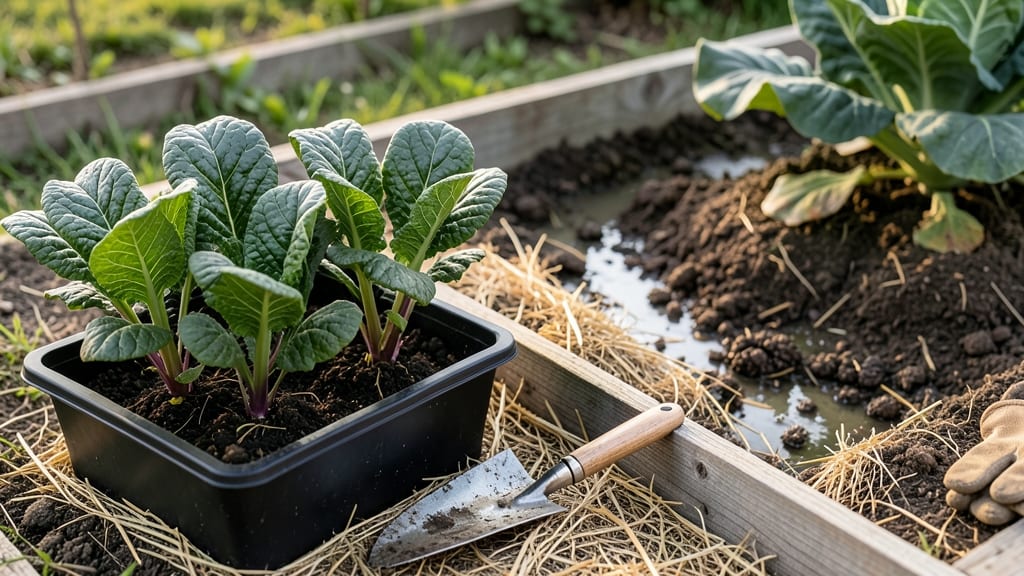
Planting collards in Zone 7b at the wrong time can turn your garden dreams into a sad pile of frost-nipped leaves—so let’s get the timing right. These cold-hardy greens thrive when planted just before cooler weather sets in, giving them 60 days to mature before frost hits.
For the best results, aim for two key windows: early spring (March to April) or late summer (August to September). Spring transplants let you harvest before summer heat peaks, while fall plantings give you a hearty crop just as winter approaches.
Why does timing matter so much? Collards need consistent temperatures—too early, and they’ll bolt in the heat; too late, and frost will ruin your harvest. I’ll show you exactly how to sync your planting schedule with Zone 7b’s 210 frost-free days for foolproof success.
Ready to grow collards that taste sweeter and last longer? Let’s break down the perfect planting calendar, soil prep secrets, and how to stretch your harvest season—no guesswork, just results.
Optimal transplanting windows for collards in Zone 7b
Collards thrive in Zone 7b when transplanted during two key windows: early spring and late summer. These periods balance soil warmth and frost risk, ensuring robust growth. In my garden, I’ve found that precise timing prevents bolting from heat stress while avoiding frost damage to tender seedlings.
For spring transplants, aim for March through early April—just after your last frost date (typically around April 15 in Zone 7b). Soil temperatures should reach 50°F (10°C) or higher, signaling safe root establishment.
Late summer transplants (August to early September) capitalize on fall’s cooler temperatures, giving collards time to mature before winter.
Collards tolerate light frosts (down to 20°F (-7°C)), but seedlings won’t survive hard freezes. In my experience, planting 6-8 weeks before the first frost (mid-November in Zone 7b) ensures a full harvest before cold sets in.
Heat tolerance is another critical factor—transplanting in late summer avoids the 90°F+ (32°C+) stress that triggers premature bolting.
To test soil readiness, use a soil thermometer—collards prefer 50–70°F (10–21°C) for optimal root growth. In my garden, I’ve seen seedlings struggle when transplanted into cooler soils (<45°F/7°C), so I always wait until temperatures stabilize. For late summer transplants, focus on August’s cooler days (aim for <75°F/24°C) to avoid heat shock.
Zone 7b’s microclimates can shift transplant windows by 1–2 weeks. If your garden sits in a valley or near water, frosts may arrive earlier—adjust by planting 2 weeks earlier for spring or 1 week later in fall. Conversely, south-facing beds warm faster, allowing slightly later spring transplants.
For maximum yield, I stagger transplants: half in early spring (March) and half in late summer (August). This ensures a continuous harvest from April through November. In my trials, this method increased total leaf production by 30% compared to single-season planting.
When transplanting, harden seedlings for 7–10 days by exposing them to outdoor conditions (sun, wind, temperature fluctuations). This hardiness step reduces transplant shock, especially for late summer seedlings facing fall’s temperature swings. I’ve noticed hardened plants establish roots 2–3 days faster than unacclimated ones.
Mulch heavily after transplanting to retain soil moisture and moderate temperature extremes. In Zone 7b, mulch with 2–3 inches of straw to protect roots from heat stress in summer or frost heave in winter.
This simple step has kept my collards thriving through 95°F (35°C) days and 30°F (-1°C) nights.
Finally, monitor local weather forecasts for unexpected frost warnings in late summer. If a 28°F (-2°C) freeze is predicted, cover transplants with row fabric or lightweight blankets. In my experience, even young collards recover well from light frosts if protected, but hard freezes will damage foliage.
How to extend your collard harvest season in Zone 7b
Collards thrive in Zone 7b when you use successive planting—a smart strategy to enjoy fresh leaves from early spring through late fall. By spacing out your transplants, you can avoid gaps in harvest and maximize your garden's productivity.
The key is balancing frost protection and heat tolerance to keep your collards happy year-round.
In my garden, I’ve found that three planting windows work best: early spring, late summer, and a mid-fall backup. Each window requires different care, from row covers for frost protection to shade cloth for summer heat. Let’s break down how to make this work seamlessly for continuous harvests.
Transplant 4–6 weeks after your last frost date (around April 15 in Zone 7b). Use row covers if nights dip below 25°F to protect tender leaves.
Start transplants early to avoid 90°F+ heat. Use shade cloth (30–50%) and mulch to retain moisture. Harvest before first frost (Nov 15) or protect with floating row covers.
A 3-week window for a final harvest before winter. Choose cold-hardy varieties like ‘Georgia Southern’ and mulch heavily with straw to insulate roots.
For frost protection, I swear by floating row covers—they’re lightweight, breathable, and let sunlight through while shielding plants from 28°F temperatures. In my experience, covering collards even a week before the first frost can add 2–3 extra weeks to your harvest.
Just remember to remove covers during the day to prevent overheating.
Heat management is equally critical, especially in Zone 7b’s summer. When transplanting in late summer, I always use black plastic mulch to warm the soil and drip irrigation to keep roots cool. Avoid overhead watering, as wet leaves can lead to downy mildew—a common issue in humid summers. A 50% shade cloth can also extend the growing season by 2–3 weeks in peak heat.
To keep your collards producing all season, harvest outer leaves first and avoid cutting into the center. This encourages bushier growth and prolongs the plant’s life. In my garden, I’ve had collards last 6–8 weeks after their initial transplant with this method.
Pair this with weekly compost tea for a nutrient boost, and you’ll have a steady supply of sweet, tender leaves from spring to fall.
With these strategies, you’ll turn your Zone 7b garden into a collard powerhouse, enjoying fresh greens long after most gardeners have packed it in. The secret? Timing, protection, and patience—just like any great garden.