
Plants
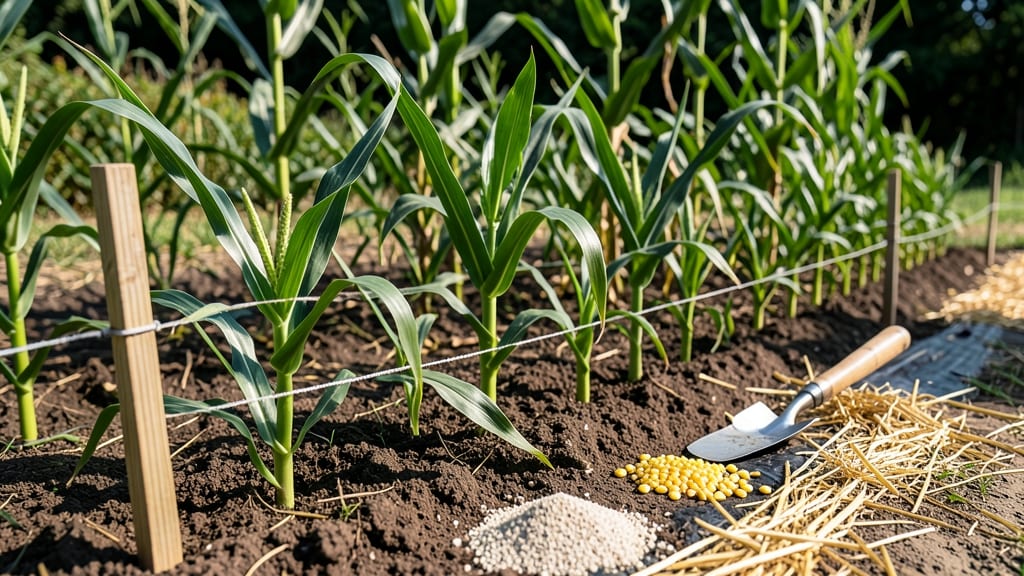
Timing your corn planting in Canada could mean the difference between golden ears of 🌽 and sad, wilted stalks—because getting it wrong isn’t just frustrating, it’s a wasted season.
The key? Waiting until after your region’s last frost date, when soil temperatures hit at least 50°F (10°C), and knowing your local climate quirks.
From the Atlantic Maritimes to the Prairies, frost dates vary wildly—planting too early in Newfoundland risks frost damage, while waiting too late in Alberta shortens your harvest window.
I’ll break down the exact windows for your region, plus how to adjust for early or late varieties so you’re never left guessing.
You’ll also discover how to prep your soil for success, avoid common mistakes like overcrowding or poor spacing, and even extend your growing season with clever tricks.
Whether you’re a first-time gardener or a seasoned pro, these insights will help you grow corn like a local—no matter where you live in Canada.
Ready to turn those seeds into a harvest? Let’s dive into the regional deadlines and strategies that work for your climate, so you can enjoy fresh corn on the cob all summer long.
Canada’s last frost dates by region: best corn planting windows
Corn thrives in warmth, so timing your planting after the last frost date is critical for success across Canada’s diverse climates. Most corn varieties need soil temperatures of at least 50°F (10°C) to germinate properly.
In cooler regions like Newfoundland or northern Quebec, this could mean waiting until mid-June, while southern Ontario gardeners can plant as early as late May. Understanding your region’s frost patterns helps avoid frost damage to tender seedlings.
Canada’s planting zones vary dramatically—from the Maritimes’ unpredictable springs to the Prairies’ hot summers and British Columbia’s coastal moderation. Each zone has a specific window where corn can mature before the first frost.
For example, Alberta’s short growing season demands early-maturing varieties, while Atlantic Canada’s cooler summers may require extended-season techniques. Let’s break down the best planting windows by region to maximize your harvest potential.
Key factors to consider: Soil temperature (must stay above 50°F/10°C for 2+ weeks), last frost averages, and corn variety maturity (70–120 days to harvest). Sweet corn, field corn, and popcorn all have slightly different ideal planting times—we’ll cover those too.
Here’s a regional breakdown of Canada’s last frost dates and the best planting windows for corn. Use this as your guide to align your planting schedule with your local climate.
For southern Ontario and the Prairies, where summers are long and hot, you can plant sweet corn as early as late May if the soil is warm enough. These regions often see 120+ frost-free days, giving corn plenty of time to mature.
In contrast, Atlantic Canada and northern Quebec typically have only 90–110 frost-free days, so you’ll need to focus on early-maturing varieties (70–85 days) or use season-extending techniques like black plastic mulch.
In
How to adjust planting time for early or late corn varieties
Not all corn varieties thrive in Canada’s short growing season, so choosing the right maturity timeline is key. Early varieties (70–90 days) like 'Early Sunglow' or 'Ambrosia' are perfect for northern regions, while long-season types (100+ days) like 'Golden Bantam' work better in warmer southern areas.
The trick is matching your last frost date with the variety’s days to harvest—aim for a 120-day frost-free window minimum.
In cooler climates like Newfoundland or northern Ontario, even fast-maturing varieties may need help. Start seeds indoors 4–6 weeks before your last frost date, then transplant seedlings when soil reaches 50°F (10°C).
For extra warmth, use black plastic mulch or cloches to accelerate soil heating by 5–10°F—this can shave critical weeks off your growing season.
Here’s how to adjust your planting strategy based on your corn’s maturity type and your region’s climate:
-
🌱 Early Varieties (70–90 days)
Plant 2–3 weeks after last frost in USDA Zones 3–5 (e.g., Newfoundland, Labrador, northern Quebec). Examples: 'Golden Midget,' 'Silver Queen.'
-
🌾 Mid-Season Varieties (90–100 days)
Best for Zones 4–6 (e.g., Ontario, Manitoba, southern Alberta). Plant 1–2 weeks after last frost or use row covers for earlier starts.
-
🌽 Long-Season Varieties (100+ days)
Reserved for Zones 6–8 (e.g., southern BC, southern Ontario). Plant at the earliest safe date and use black plastic mulch to extend season.
-
❄️ Northern Hacks
In Zone 3 or cooler, try successive planting every 10–14 days for staggered harvests. Use cold frames to protect young plants.
For regions with unpredictable springs, like the Maritimes or Prairie provinces, consider soil warming tricks. Lay down black plastic mulch 2–3 weeks before planting to raise soil temps by 10–15°F.
Alternatively, use cloches or low tunnels to create microclimates—this can push your planting window 2–4 weeks earlier without risking frost damage.
If you’re in a short-season zone, prioritize compact varieties like 'Bodacious' or 'Peaches and Cream,' which mature in 70–85 days. These stay shorter (5–6 feet tall) and produce ears earlier than standard types. Pair them with dwarf varieties for easier harvesting in windy or space-limited areas.
Remember, corn needs warmth to germinate—if your soil stays below 50°F (10°C) for more than a week, delay planting or use heat mats under seed trays.
In my Zone 4 garden, I’ve found that planting late May with black plastic gives me a harvest by early September, while skipping the mulch delays it until October—sometimes too late for a full crop.