
Plants
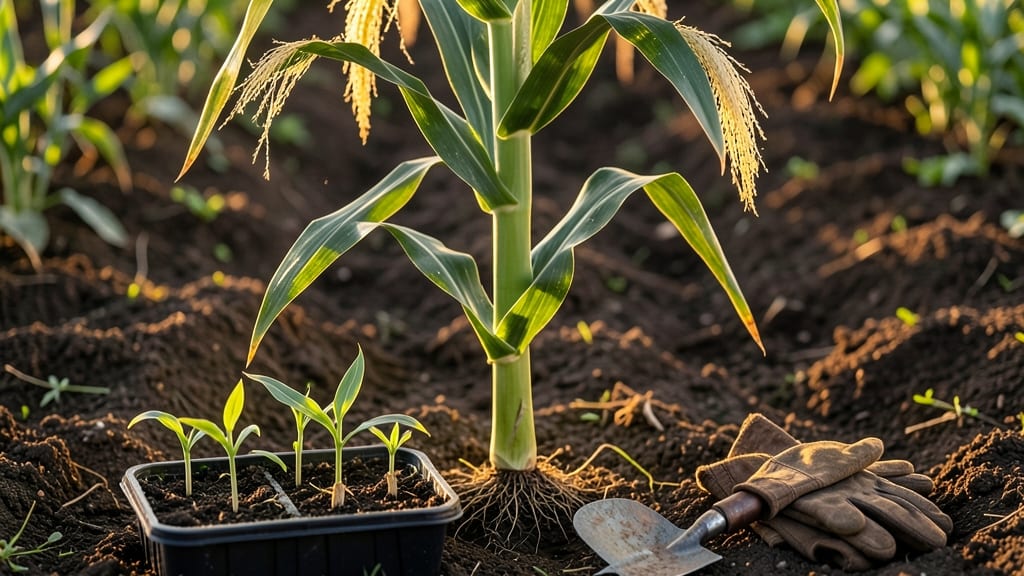
Planting corn in New Mexico isn’t just about dropping seeds in the dirt—it’s about timing it perfectly to beat the high desert’s unpredictable swings from frost to scorching heat.
The right window between April 15 and June 15 can mean the difference between a lush 🌽 harvest and wasted effort, especially when your USDA zone ranges from 7a (Albuquerque) to 8a (Las Cruces).
Most gardeners here make one critical mistake: waiting too long because they assume the heat will arrive steadily. But New Mexico’s microclimates—where Santa Fe’s cooler nights can stall growth while lower elevations race ahead—mean you’ve got to play it smart.
The key? Soil temperatures need to hit at least 60°F before you even think about planting, and nighttime temps must stay above 50°F to avoid stunted plants.
I’ve learned the hard way that rushing the process leads to weak stalks or ears that never fully develop. Instead, focus on early-maturing varieties like ‘Golden Bantam’ for higher elevations, where the growing season shrinks faster.
For lower desert areas, heat-tolerant types like ‘Pioneer 3906’ can stretch your window into early June without sacrificing yield.
In this guide, I’ll break down exactly when to plant in your specific zone, how to adjust for elevation, and the 3 biggest mistakes New Mexico gardeners make—so you can skip the guesswork and grow corn that rivals the best at the farmers’ market.
Let’s get those seeds in the ground the right way.
Best planting dates for corn in New Mexico by USDA zone (6-8)
New Mexico’s high desert climate and USDA Zones 6-8 create unique challenges for growing corn. Unlike humid regions, our dry heat and short growing seasons demand precise planting timing. Plant too early, and frost will kill tender seedlings; too late, and ears won’t mature before fall’s first frost.
The key is aligning your planting with soil temperatures, last-frost dates, and your specific elevation zone.
For Albuquerque (Zone 7a), the sweet spot is mid-April to early May, while Santa Fe (Zone 7b) gardeners should wait until late April to mid-May. In Las Cruces (Zone 8a), you can start as early as late March for early-maturing varieties.
These windows ensure your corn has 90-120 frost-free days to reach maturity, which is critical for both sweet corn and drying varieties.
Soil temperature is your best guide—not the calendar. Corn seeds won’t germinate reliably until the soil reaches 60°F (15°C). In Albuquerque, this typically happens by mid-April, while Santa Fe’s cooler soils may not warm until late April. Use a soil thermometer to confirm readiness, especially if you’re planting heirloom varieties that need extra warmth.
| Region | USDA Zone | Last Frost Date | Ideal Planting Window | Soil Temp Goal | Variety Recommendations |
|---|---|---|---|---|---|
| Albuquerque | 7a | April 15 | April 15 - May 15 | 60°F+ | 'Peaches and Cream', 'Silver Queen' |
| Santa Fe | 7b | April 25 | April 25 - May 10 | 60°F+ | 'Golden Bantam', 'Country Gentleman' |
| Las Cruces | 8a | March 10 | March 20 - April 30 | 55°F+ | 'Pioneer 3906', 'Ambrosia' |
| Northern NM (e.g., Taos) | 6a | May 5 | May 1 - June 1 | 65°F+ | 'Early Sunglow', 'Temptation' |
For sweet corn varieties, aim to plant 60-75 days before your average first frost. In Albuquerque, this means late April to early May for most varieties.
If you’re growing drying corn or popcorn, extend your planting window to June 1 in lower elevations, as these varieties need more time to mature fully. Just be prepared for shorter daylight hours in late summer, which can slow growth.
New Mexico’s microclimates can create 10-day differences in frost dates just 50 miles apart. For example, Clayton (Zone 6b) has a last frost date of May 10, while Roswell (Zone 7b) sees its last frost by April 1.
Use local CoCoRaHS weather stations or your county extension office for precise data. Even within Albuquerque, neighborhoods at 6,000 feet may frost later than those at 5,000 feet.
Heat tolerance varies by corn type. Sweet corn like 'Ambrosia' struggles in temperatures above 90°F (32°C), while field corn varieties like 'Pioneer 3906
How to adjust planting for New Mexico’s unique growing challenges
New Mexico’s high desert climate and elevation range of 5,000–7,000 feet create unique challenges for growing corn. The dry heat and short growing seasons demand careful adjustments to planting timing, soil prep, and water management.
Without these adaptations, even the hardiest corn varieties can struggle to thrive in our USDA Zones 6-8.
One of the biggest hurdles is the rapid temperature swings between day and night. Corn needs consistent warmth to germinate and grow, but our cool nights can stall development if seeds are planted too early.
Meanwhile, the intense afternoon sun requires extra attention to soil moisture retention. These factors make variety selection and irrigation planning critical components of a successful corn harvest.
⚠️ callout-warning ⚠️
⚠️ Critical Warning: Planting Too Early in New Mexico
If you plant corn seeds before soil temperatures reach 60°F consistently, they’ll rot in the cold ground. At elevations above 6,000 feet, wait until mid-May—even if lower elevations can start in late April. Use a soil thermometer to verify readiness.
To combat dry soil conditions, I always amend my planting beds with 3–4 inches of compost before sowing. This improves water retention and provides essential nutrients. For sandy soils common in the Rio Grande Valley, mix in peat moss or coconut coir to help hold moisture.
In clay-heavy soils like those in Santa Fe, incorporate sand and organic matter to prevent compaction.
For irrigation hacks, I recommend using drip irrigation or soaker hoses to deliver water directly to the roots. This method reduces evaporation and ensures consistent moisture during the critical silking stage. Mulching with straw or wood chips after planting helps lock in soil moisture and keeps roots cool.
In high-elevation areas, consider shade cloth during the hottest afternoon hours to protect young plants from heat stress.
When selecting corn varieties, prioritize those adapted to short-season conditions and heat tolerance. Early-maturing varieties like ‘Golden Bantam’ (60 days) work well in higher elevations, while heat-tolerant types such as ‘Pioneer 3906’ thrive in lower desert regions.
For succession planting, stagger seeds every 2 weeks to extend your harvest window through early fall.
Finally, pay close attention to frost dates in your specific area. In Albuquerque (Zone 7a), the last frost typically occurs around March 15, while Santa Fe (Zone 7b) can see frost until April 15.
Planting too early risks frost damage to emerging seedlings, so always check your local microclimate for the safest planting window.