
Plants
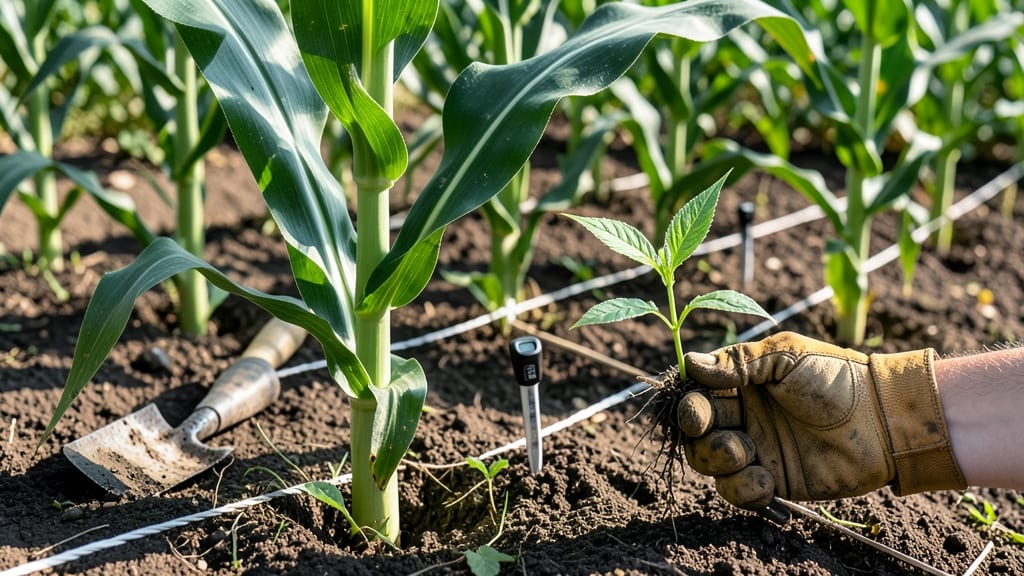
Want to grow sweet, homegrown corn in Portland, Oregon, but confused about the best time to plant? The key to success lies in understanding Portland’s tricky frost dates and soil temperatures—get it wrong, and you might end up with stunted plants or missed harvests.
With USDA Zone 8a climate and unpredictable spring weather, timing is everything. Planting too early risks frost damage, while waiting too long could shorten your growing season. The ideal window is mid-April to early May, but local microclimates—like urban heat islands—can shift those dates.
In this guide, I’ll break down exactly when to plant corn in Portland, including soil prep tips and variety recommendations. Whether you’re a first-time gardener or a seasoned grower, these insights will help you maximize your harvest.
Ready to grow corn that’s sweeter than store-bought? Let’s dive into the perfect planting schedule for your Portland garden.
Portland’s frost-free planting window for corn: exact dates by USDA Zone 8a-9a
Portland’s USDA Zones 8a-9a offer a 165-day frost-free window, perfect for growing sweet corn—but timing is everything. The average last frost date is around April 15, but microclimates (like urban heat islands) can shift this by 1-2 weeks.
Planting too early risks frost damage, while waiting too late may leave you with underdeveloped ears before fall frosts arrive.
Corn thrives when soil temperatures hit 50°F or warmer. In Portland, this typically aligns with mid-April to early May, but cooler springs (like 2021’s) can delay planting until late May.
Use a soil thermometer to confirm readiness—corn seeds won’t sprout below 55°F. For early varieties, aim for April 15–May 1; for late varieties, stretch to May 15.
Microclimates matter: Urban Portland areas (e.g., Downtown) warm up faster than rural zones (e.g., Washington County). If you’re in a cooler pocket, extend your window with black plastic mulch or row covers to raise soil temps by 5–10°F. Even a 10-foot row cover can buy you 2–3 extra weeks of planting time.
| Zone & Microclimate | Last Frost Date | Soil Temp Threshold | Ideal Planting Window | Harvest Window |
|---|---|---|---|---|
| Zone 8a (Rural) | April 20–May 5 | 50–55°F | May 1–15 (early var.) | July 20–Aug 15 |
| Zone 8a (Urban) | April 10–20 | 50°F (earlier) | April 20–May 10 | July 10–Aug 10 |
| Zone 9a (South Portland) | April 5–15 | 50°F (earliest) | April 15–May 5 | June 25–July 30 |
| All Zones (Backup) | N/A (row covers) | 45°F (with cover) | April 1–May 20 | July 10–Sept 1 |
For early varieties (e.g., 'Early Sunglow'), plant April 15–May 1 to harvest by July 20.
These 60–70-day varieties are your best bet for Portland’s short season. Late varieties (e.g., 'Silver Queen') need 90+ days and should go in May 1–15 for a September harvest—but only if your fall stays frost-free.
Portland’s unpredictable spring rains can delay planting. If your soil stays too wet or cold, switch to container growing with heated mats or move pots to a south-facing porch. Containers warm up faster and let you stagger plantings every 2 weeks for a continuous harvest.
Watch for false springs—those brief warm-ups in March that trick you into planting too early. Corn seeds won’t germinate below 55°F, so wait until nighttime temps stay above 40°F.
If you’re unsure, use burlap seedling blankets to protect young plants from late frosts (which can kill corn up to 6 inches tall).
Extend your season with black plastic mulch, which raises soil temps by 10–15°F and suppresses weeds. Lay it down 2 weeks before planting to let it warm the soil. For extra insurance,
How to adjust corn planting for Portland’s unpredictable weather patterns
Portland’s variable spring temperatures can throw off even the most experienced gardener. One week might feel like summer, while the next brings chilly 50°F mornings that slow germination.
To beat this unpredictability, I’ve learned to use a multi-pronged approach that includes staggered planting, soil warming, and cold-tolerant varieties. These strategies help me extend my growing season by 2-3 weeks without risking frost damage.
My first line of defense is staggered planting. Instead of putting all my seeds in the ground at once, I plant three batches spaced 10 days apart. This ensures that even if late frosts hit, I’ll still have at least one healthy crop maturing.
For example, I might start my first batch on May 1st, then follow up on the 11th and 21st. This way, I’m covered whether spring arrives early or late.
Here’s how I adapt my planting schedule to Portland’s quirks:
- Start with cold-hardy varieties: Choose early-maturing hybrids like 'Early Sunglow' (65 days) or 'Golden Bantam' (70 days) that can tolerate 45°F soil temps.
- Use black plastic mulch: Lay it down 2 weeks before planting to warm soil by 5-10°F. This speeds up germination and gives seedlings a head start.
- Plant in raised beds: They warm up faster than in-ground soil and drain better during Portland’s unpredictable rain.
- Have row covers ready: Keep floating row covers on hand for late frosts (after April 15). They add 5-8°F protection without smothering plants.
- Monitor soil temps daily: Use a soil thermometer—corn needs 50°F+ soil to germinate. If temps drop below 45°F, delay planting.
- Choose sheltered spots: Plant near south-facing fences or buildings to trap heat and protect from wind chill.
- Plan for succession: If your first batch fails, have transplant-ready seedlings (from a greenhouse) to replant by mid-May.
Another trick I’ve picked up is pre-sprouting seeds indoors before transplanting. I soak corn kernels in a damp paper towel for 24 hours, then place them in a warm, dark spot (like my kitchen counter) until sprouts appear (3-5 days).
Once they’ve sprouted 1-inch tall, I transplant them into biodegradable pots filled with seedling mix. This gives them a 2-week head start over direct-sown seeds.
For soil warming, I swear by clear plastic tunnels or even old greenhouse plastic draped over hoops. On sunny days, these can raise soil temps by 15°F+.
I also mix compost and aged manure into the soil before planting—this adds organic matter that retains heat better than bare soil. If you’re in a low-lying area where cold air pools, avoid planting there; instead, choose higher ground that warms up faster.
Finally, don’t underestimate the power of microclimates. Urban Portland has hotter pockets near buildings, driveways, or dark pavement. I’ve had success planting near south-facing brick walls or dark asphalt, where the ground stays 5-10°F warmer than open garden beds.
If you’re unsure where your warmest spot is, use a soil thermometer to test different areas for a week before planting.
With these adjustments, I’ve gone from zero corn harvests in my early years to consistent yields of sweet, homegrown ears—even in Portland’s finicky springs. The key is flexibility: stay ready to adapt, and your corn will thank you with plump, juicy kernels by summer’s end. 🌽