
Plants
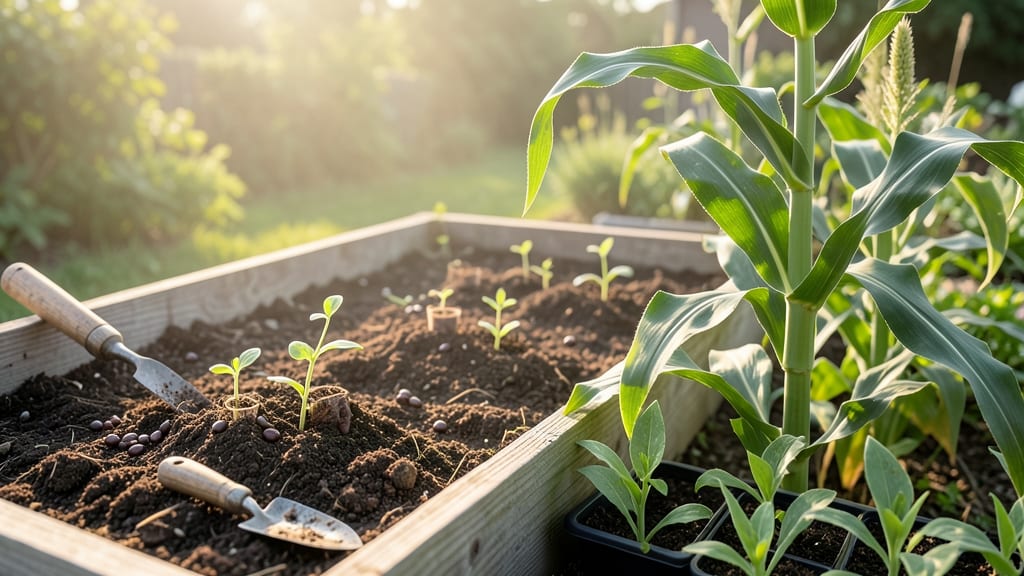
Planting corn in San Diego might seem tricky—after all, it’s not your typical frost-prone crop—but timing still matters more than you think.
With 365 frost-free days and warm soil year-round, you’ve got a longer window than most gardeners, but heat and drought can still turn your 🌽 dreams into disappointment if you’re not careful.
The key to success here isn’t just throwing seeds in the ground—it’s understanding when your soil hits that 60°F sweet spot for germination. Most gardeners in USDA Zone 10a should aim for March to April, but coastal areas might push it slightly later.
Get it wrong, and you’ll either have stunted plants or struggle with summer’s relentless sun.
I’ve grown corn in San Diego for years, and the difference between a bountiful harvest and a sad little patch comes down to a few smart moves. You’ll learn exactly when to plant for your microclimate, how to beat the heat, and which varieties actually thrive here—no guessing required.
Ready to grow corn that’s tall, sweet, and ready to harvest by summer? Let’s dive into the exact schedule and tips that’ll turn your garden into a cornucopia—without the usual headaches.
San Diego’s ideal corn planting dates by heat zone
San Diego’s Mediterranean climate creates unique microclimates that affect corn planting. Unlike northern regions, we have no frost risk, but soil temperature and summer heat still dictate success. Coastal areas stay cooler longer, while inland zones heat up faster—both factors influence your planting window.
Corn seeds need soil temperatures of 60–65°F to germinate. Inland areas hit this threshold 2–3 weeks earlier than coastal zones. Timing your plantings around these heat zone differences ensures strong germination and avoids summer heat stress when ears develop.
Here’s your heat zone breakdown for San Diego, including early, mid, and late-season planting windows with risk assessments:
| Heat Zone | Soil Temp Threshold | Early Planting | Mid-Season Planting | Late Planting | Risk Level |
|---|---|---|---|---|---|
| Coastal (e.g., La Jolla, Del Mar) | 60°F (late Feb–early March) | Late Feb–March 15 | March 15–April 15 | April 15–May 1 (with shade) | Low (cooler nights) |
| Inland (e.g., Escondido, Ramona) | 60°F (early Feb–mid-Feb) | Early Feb–March 1 | March 1–April 1 | April 1–May 10 (high risk) | High (summer heat) |
| Valleys (e.g., San Diego Valley) | 60°F (mid-Feb) | Mid-Feb–March 10 | March 10–April 5 | April 5–May 1 (shade required) | Medium (variable heat) |
For coastal San Diego, aim for late February through mid-April to avoid summer heat stress during ear development. Inland areas should plant earlier (February–early April) to finish before temperatures exceed 90°F, which stunts growth.
Late-season plantings (after April 15) are risky but possible with shade cloth (30–50%) and daily watering. Choose heat-tolerant varieties like ‘Golden Bantam’ or ‘Silver Queen’ for better success in hotter microclimates.
Monitor your soil temperature with a thermometer—corn won’t germinate below 60°F. If temperatures dip at night, use row covers to protect young seedlings until they’re established.
Succession planting every 2–3 weeks ensures a continuous harvest. For example, plant one batch in late February (coastal) or early March (inland), then follow with two more batches spaced 3 weeks apart for a summer-long supply.
Watch for drought stress in summer months. Corn needs 1–2 inches of water weekly, especially during tasseling and ear formation. Drip irrigation or soaker hoses work best to keep roots consistently moist without wetting foliage.
Inland growers face the highest risk of heat stress when planting after April 1. If you push late, opt for short-season varieties (60–75 days) like ‘Early Sunglow’ to harvest before summer peaks.
Pro tip: Test your soil pH (6.0–6.8 ideal) before planting. Corn thrives in slightly acidic to neutral soil, and San Diego’s native clay can be alkaline. Amend with sulfur or peat moss if needed.
How to extend your corn growing season in San Diego’s climate
San Diego’s warm winters and long summers create a unique opportunity to grow corn year-round—but summer heat can stress plants if you’re not careful. The key to extending your growing season lies in smart timing, heat protection, and variety selection.
With the right strategies, you can push planting dates later and avoid the 100°F+ temperatures that stunt growth or cause ear rot.
My secret weapon? A combination of shade cloth, mulching, and succession planting. These techniques help maintain soil moisture, regulate temperature, and keep your corn productive even when the thermometer climbs. Let’s break down how to make it work in your San Diego garden.
- 1 Use shade cloth (30-50%) to block direct sun during peak heat (11 AM–3 PM). This lowers soil temps by 10-15°F and prevents silk desiccation.
- 2 Mulch heavily with straw or wood chips (3–4 inches deep) to retain moisture and insulate roots. Replenish every 2-3 weeks in summer.
- 3 Plant heat-tolerant varieties like ‘Golden Bantam’ (70-day) or ‘Silver Queen’ (90-day). Avoid sweet corn varieties unless you harvest within 72 hours of pollination.
- 4 Succession plant every 2 weeks from March to June for continuous harvests. Start late plantings with soaker hoses to ensure deep watering.
- 5 Water deeply at dawn (1–2 inches per week) and avoid wetting leaves to prevent fungal diseases. Use drip irrigation for efficiency.
For soil preparation, focus on organic matter to improve water retention. Amend your beds with compost or aged manure before planting, and test your soil’s pH—corn thrives in 6.0–6.8 range. If your soil is sandy (common in coastal San Diego), add peat moss to help retain moisture during heatwaves.
One of my biggest successes was extending the season by planting ‘Golden Bantam’ under 30% shade cloth in late May. By harvesting every 2 weeks, I avoided the worst of the summer heat while still enjoying fresh corn through August.
The key was monitoring silk health—if they dry out before pollination, you’ll lose ears.
Remember, even in San Diego’s mild climate, heat stress is the #1 enemy of late-season corn. By combining these strategies, you can push your harvest window 2–3 months later than traditional spring plantings—without sacrificing quality.
Start small, experiment with varieties, and soon you’ll be enjoying homegrown corn well into the fall! 🌽