
Plants
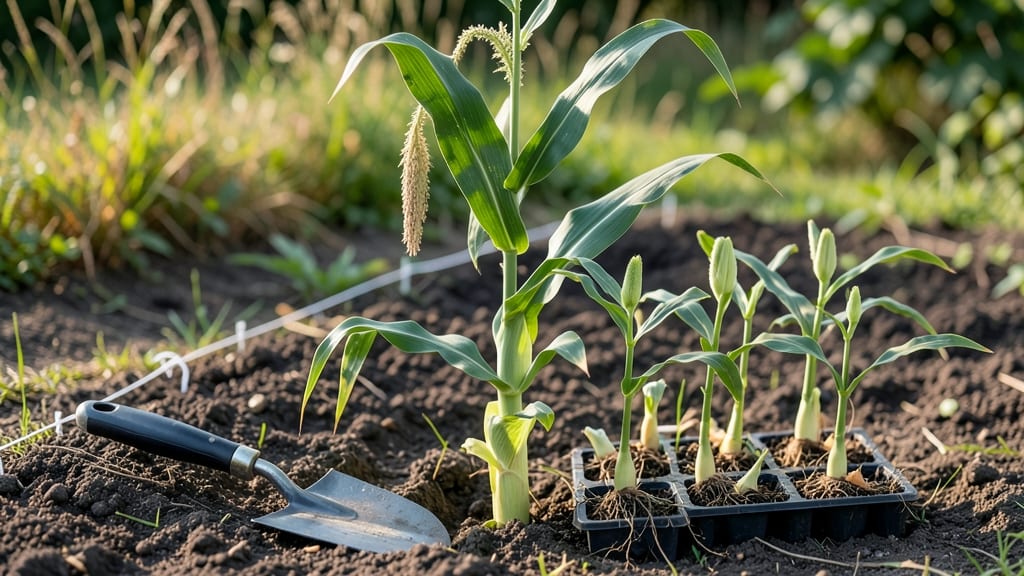
Planting corn in Zone 8a’s warm climate feels like walking a tightrope—too early, and frost zaps your seedlings; too late, and summer heat turns your ears into tough, dry sticks. But with the right timing, you’ll unlock sweet, juicy 🌽 that’s the star of your dinner table.
The key is knowing when the soil warms up and the last frost has truly passed—usually mid-April to early June in 8a. This window isn’t just about dates; it’s about giving your corn the 60°F+ soil it craves to germinate quickly and avoid those frustrating “wait-and-see” weeks.
I’ve learned the hard way that rushing corn into cold soil leads to slow starts and pest problems. Instead, wait for those first warm rains and plant heat-tolerant varieties like ‘Silver Queen’ or ‘Peaches & Cream’—they’re built to handle 8a’s sweltering summers without bolting.
Ready to grow corn that thrives? I’ll walk you through the exact planting schedule, soil prep secrets, and how to stretch your harvest window—so you’re not left with just a handful of ears by August. Let’s make this your best corn season yet.
Zone 8a corn planting calendar: frost dates & heat tolerance deadlines
Zone 8a gardeners enjoy a long growing season with 240 frost-free days, but timing is everything when planting heat-sensitive corn. The key is balancing spring frost risks with summer heat tolerance.
Plant too early, and cold snaps damage seedlings; too late, and 90°F+ temperatures stress plants before harvest. My Zone 8a planting calendar solves this by breaking down three critical windows for early, mid, and late corn varieties.
Corn thrives in warm soil (60°F+), which typically arrives in mid-April for Zone 8a. However, last frost dates vary by microclimate—coastal areas may see frost as late as March 15, while inland regions warm up faster.
Always check your local frost data and adjust planting dates accordingly. For example, San Diego’s coastal areas can plant 2 weeks earlier than Phoenix’s inland heat.
Here’s your Zone 8a corn planting timeline, accounting for frost dates, soil warmth, and heat tolerance deadlines:
| Variety Type | Planting Window | Soil Temp Requirement | Heat Tolerance Deadline | Harvest Window |
|---|---|---|---|---|
| Early Varieties (e.g., 'Early Sunglow') | Mid-April to early May | 60°F+ (use row covers if cold) | Before June 1 (90°F+ stress) | Late July to early August |
| Mid-Season Varieties (e.g., 'Silver Queen') | Late April to mid-May | 65°F+ (optimal for germination) | Before July 15 (peak heat) | Mid-August to early September |
| Late Varieties (e.g., 'Peaches & Cream') | Early to mid-May | 70°F+ (heat-loving types) | No strict deadline (thrive in heat) | Late September to October |
| Microclimate Adjustments | Coastal: Shift 2 weeks earlier | Inland: Wait for 70°F+ soil | High Desert: Use shade cloth | Extend season with mulch |
For early varieties, aim to plant by early May to avoid summer heat stress during pollination. These 60–75 day varieties need to mature before temperatures exceed 90°F.
My go-to early pick is 'Early Sunglow,' which tolerates light frost better than most. Plant seeds 1–1.5 inches deep in well-draining soil and keep them moist until germination.
Mid-season varieties like 'Silver Queen' strike a balance—plant them in late April to mid-May for a July–August harvest. These 80–90 day varieties handle Zone 8a’s heat better but still need consistent moisture during ear development.
I’ve found that mulching with straw keeps roots cool and retains moisture, which is critical when daytime temps hit 95°F+.
Late-season varieties like 'Peaches & Cream' are my heat-tolerant champions. Plant them in early to mid-May, and they’ll thrive through summer’s peak heat, producing ears into October.
These 100–120 day varieties are perfect for Zone 8a’s extended growing season but require rich, fertile soil to support their long growth cycle. I always side-dress with compost at tasseling to boost nutrient uptake.
One common mistake in Zone 8a is planting too early without protecting seedlings. If you’re eager to start in March or early April, use row covers or cold frames to shield tender sprouts. Another trick? Plant succession crops every
Best heat-tolerant corn varieties for Zone 8a gardens
Zone 8a’s hot summers and long growing season make it perfect for growing corn—but only if you choose the right varieties. Heat-sensitive types bolt prematurely or produce small, tough kernels.
My top picks thrive at 90°F+ temperatures while delivering sweet, plump ears. These varieties balance drought resistance, fast maturity, and ear quality for Zone 8a’s climate.
For early harvests, I recommend ‘Early Sunglow’ (70 days), while ‘Peaches & Cream’ (90 days) offers sweetness retention in heat. Each variety has unique strengths—like ‘Silver Queen’’s disease resistance or ‘Ambrosia’’s buttery texture.
Below, I’ll break down their pros, cons, and ideal planting times to help you pick the best fit for your garden.
🌽 Pro Tip: In Zone 8a, aim to plant after your last frost date (typically mid-March) but before soil temps hit 90°F (usually by late May). For fall planting, sow late summer (August) for a second harvest before first frost.
When to Plant Corn in Zone 8a
- 📅 Best Time: Mid-April to early June
- 🌡️ Soil Temp: 60°F+ (use seed heater if cold)
- ✅ Pro: Longer growing season for bigger ears
- 📅 Best Time: Late August to early September
- 🌡️ Days to Maturity: 80–90 days max
- ⚠️ Con: Risk of frost before harvest
- 🚫 Before: Last frost (March 15)
- 🚫 After: Mid-June (soil too hot)
- ❌ Risk: Stunted growth or bolting
🌱 Key: Plant when soil is warm but air temps stay below 90°F for optimal germination.
Let’s dive into the top 5 heat-tolerant varieties for Zone 8a. ‘Silver Queen’ is my go-to for disease resistance and sweetness, but if you want extra-long ears, ‘Peaches & Cream’ delivers.
Each variety has trade-offs—like ‘Early Sunglow’’s fast maturity (70 days) but smaller ears. I’ll share my planting schedule and care tips for each to maximize your harvest.
For drought-prone areas, prioritize ‘Ambrosia’ or ‘Peaches & Cream’—both handle high temps and irregular watering better than standard varieties. If you’re short on space, ‘Little and Tender’ (a dwarf variety) grows just 3–5 feet tall while still producing sweet, tender kernels.
Just be prepared for smaller yields compared to full-size plants.
💧 Watering Hack: In Zone 8a’s heat, water deeply every 2–3 days at soil level (not overhead) to prevent fungal diseases. Use drip irrigation or soaker hoses to keep foliage dry—this is critical for heat-tolerant varieties like ‘Peaches & Cream’.