
Planting
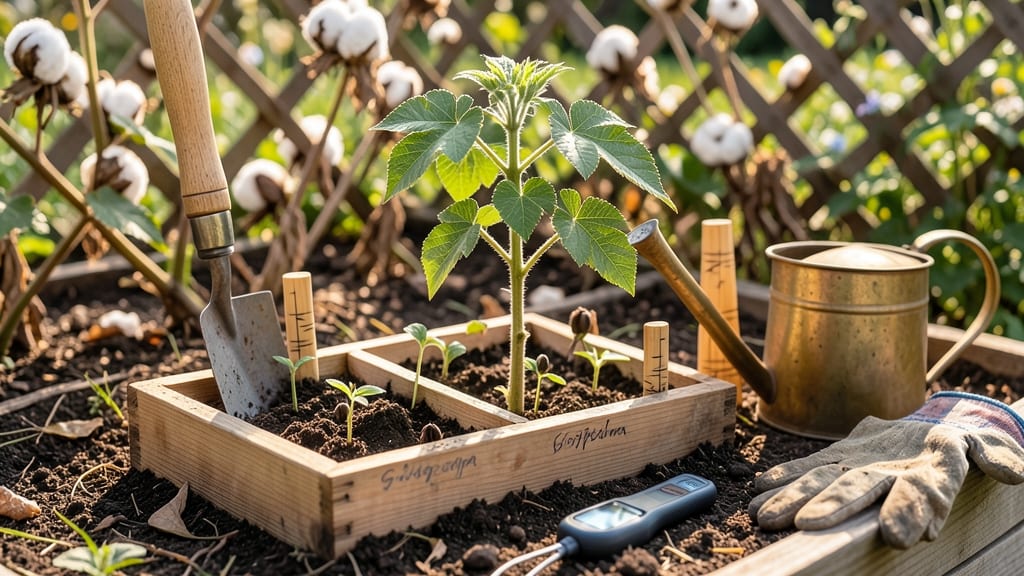
Timing your cotton planting in Texas can make or break your harvest—get it wrong, and frost could wipe out your 🧵 crop before it even takes root. But with the right heat zone deadlines, you can outsmart Texas' unpredictable climate and ensure strong, healthy plants from the start.
Whether you're a backyard gardener or a commercial farmer, knowing when to plant cotton in Texas isn't just about checking a calendar—it's about understanding your local frost-free dates and soil temperatures.
In zones 8a-10b, the window narrows between March and June, depending on whether you're in East or West Texas.
I've learned the hard way that planting too early risks frost damage, while waiting too long can stunt growth before the heat of summer sets in. The key is balancing these factors with soil warmth and historical weather patterns to give your cotton the best possible start.
Let me walk you through exactly how to determine your perfect planting window—plus pro tips for soil prep and seedling care that'll keep your cotton thriving all season long.
Texas heat zones explained: when to plant cotton by region
Texas spans USDA hardiness zones 8a through 10b, creating dramatic differences in planting windows for cotton. In cooler northern zones (8a-9a), you’ll need to time your planting carefully to avoid late frosts, while hotter southern zones (10a) offer longer growing seasons but require heat-tolerant varieties.
Understanding these regional differences is key to avoiding frost damage or heat stress in your cotton crop.
The last average frost date varies wildly across Texas—from mid-March in West Texas to mid-April in East Texas. Cotton seeds won’t germinate until soil temperatures hit at least 60°F (15.5°C), so waiting for these milestones is critical.
Planting too early risks seed rot, while planting too late cuts your growing season short.
Here’s how Texas breaks down by region, with optimal planting windows and soil temperature thresholds for cotton:
| USDA Zone | Region | Last Frost Date | Planting Window | Soil Temp Threshold | Key Notes |
|---|---|---|---|---|---|
| 8a | North Texas (Dallas, Fort Worth) | March 15 | April 15–May 1 | 60°F (15.5°C) | Use early-maturing varieties; monitor for late frosts. |
| 8b | Central Texas (Austin, Waco) | March 1 | April 1–April 30 | 60°F (15.5°C) | Ideal for home gardens; extend season with row covers. |
| 9a | East Texas (Houston, Tyler) | February 28 | March 15–April 15 | 65°F (18°C) | Longer season; watch for humidity-related diseases. |
| 9b | South Texas (San Antonio, Corpus Christi) | February 15 | March 1–March 31 | 65°F (18°C) | Hot summers; prioritize drought-resistant varieties. |
| 10a | Deep South Texas (Brownsville, McAllen) | January 31 | February 15–March 15 | 70°F (21°C) | Year-round potential; heat-tolerant seeds recommended. |
In Zone 8a, like Dallas, cotton should never be planted before April 15—even if the soil feels warm. Late frosts in March can devastate seedlings, so wait for consistent 60°F soil temps and check your local frost-free date from the Texas A&M AgriLife Extension.
For East Texas (Zone 9a), you can start as early as mid-March, but avoid planting before February 28 unless you’re using row covers.
West Texas (Zones 8b-9b) presents unique challenges with dry heat and low humidity. Here, cotton thrives when planted in April, but
Critical soil temperature and frost-free timelines for cotton in Texas
Planting cotton in Texas requires precise timing to avoid frost damage and ensure strong germination. The USDA reports that cotton seeds need soil temperatures of at least 60°F (15.5°C) to sprout successfully.
Waiting until the soil reaches this warmth—typically after the last frost—makes all the difference between thriving plants and failed crops.
Texas experiences varying frost-free dates depending on the region. For example, Central/East Texas usually sees its last frost between February 15 and March 15, while West Texas typically warms up by March 1 to March 31.
These dates are crucial for scheduling your planting window to avoid late frosts that can devastate young seedlings.
- 1 Check soil temperature using a soil thermometer at a depth of 2-4 inches. Aim for 60°F (15.5°C) or warmer for cotton germination.
- 2 Monitor frost-free dates for your Texas region. Use USDA frost maps or local agricultural extensions for historical frost data to guide your planting schedule.
- 3 Adjust planting dates based on soil warmth and frost risk. In Central/East Texas, plant after March 15; in West Texas, wait until April 1 or later.
- 4 Use black plastic mulch to warm soil faster and protect seedlings from late frosts. This technique is especially useful in cooler Texas regions like the Panhandle.
- 5 Plant after the last frost but before June 1 to ensure cotton matures before fall frosts hit. Texas’ 210 frost-free days provide ample time for a full growing season.
If you’re planting in West Texas, where soil warms up more slowly, consider using row covers to protect young plants from unexpected late-spring frosts. These covers can raise soil temperatures by a few degrees, giving your cotton a head start in cooler conditions.
For Central and East Texas, where frost-free dates arrive earlier, focus on soil preparation in late winter. Amend your soil with compost or aged manure to improve drainage and fertility, which helps cotton establish strong roots before the heat of summer arrives.
Always double-check local weather forecasts in the weeks leading up to planting. Even if historical data suggests it’s safe, a late frost warning can prompt you to delay planting by a week or two.
When in doubt, err on the side of caution—cotton is resilient once established, but young seedlings are vulnerable.