
Plants
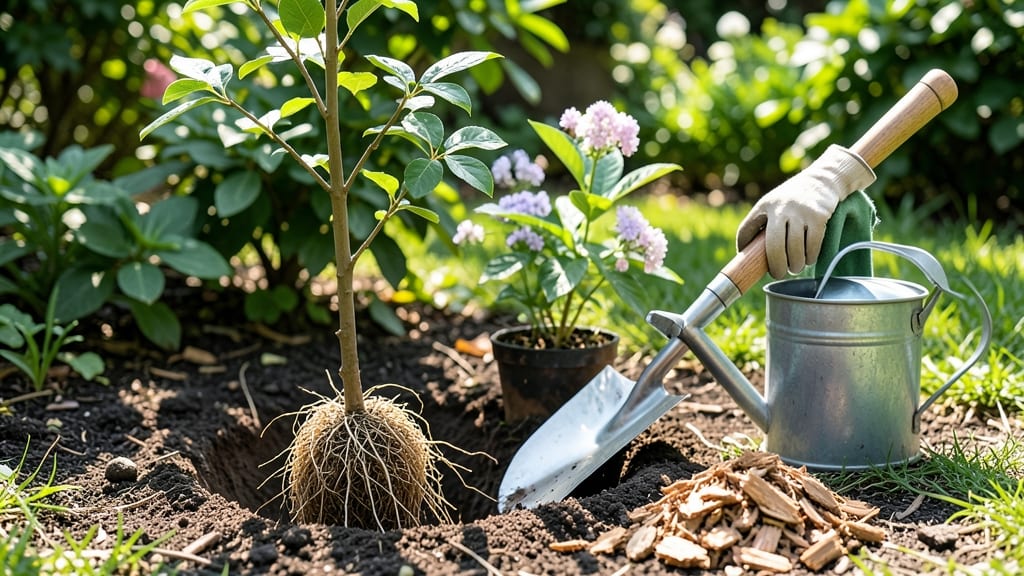
Planting a 🌸 crape myrtle in Zone 9 isn’t just about picking a date—it’s about avoiding the brutal summer heat or the rare winter chill that could stunt your tree’s growth before it even takes root.
The perfect window for planting this drought-loving beauty is during the cooler months, when soil temperatures are mild and rainfall is more predictable.
Most Zone 9 gardeners swear by late fall or early spring, but there’s a sweet spot between December and February that gives crape myrtles the best chance to establish strong roots before the heat ramps up. Skipping this window means risking transplant shock or slow growth, so timing is everything.
Whether you’re planting in-ground or in containers, I’ll walk you through the exact steps to prep your soil, water correctly, and protect your new tree from Zone 9’s extreme conditions.
By the end, you’ll know not just when to plant, but how to set it up for decades of vibrant blooms.
Ready to transform your landscape with a low-maintenance stunner? Let’s dive into the best practices for planting crape myrtles in Zone 9—and the mistakes to avoid at all costs.
Optimal crape myrtle planting months in Zone 9: avoiding heat stress and winter risks
Zone 9 gardeners face a unique challenge with crape myrtles—timing your planting to avoid scorching summer heat while ensuring root establishment before mild winters. The ideal window is narrow but critical for success.
Plant too early, and your sapling will struggle with heat stress and drought. Too late, and roots won’t anchor before winter’s cooler temperatures slow growth.
Crape myrtles thrive in Zone 9’s heat, but their root development needs cooler soil to establish. The best months to plant are December through February, when daytime highs stay below 80°F and nights dip into the 50s.
This balance gives roots time to spread without the intense summer sun causing transplant shock.
Soil temperature is your best guide—aim for 60-70°F at 6 inches deep. Use a soil thermometer to check before planting. In Zone 9b, this typically aligns with late December to early February, just before the spring heatwave ramps up. If you miss this window, early November or March can work, but they come with risks.
While December-February is ideal, late fall planting (November) offers a second-best window if you act quickly. The soil remains warm from summer’s residual heat, but daytime temperatures are cooling—perfect for root growth without the stress of intense sun.
Just be mindful of early heatwaves in November; monitor forecasts and plant on cloudy days to reduce stress.
If you’re container planting, your timing flexibility increases slightly. Containers heat up faster than ground soil, so aim for November or early December to avoid root burn.
Use lightweight potting mix with perlite to improve drainage, and keep containers in partial shade during the hottest part of the day until roots establish.
One common mistake in Zone 9 is planting crape myrtles in early spring (March-April). By then, soil temperatures can exceed 80°F, causing transplant shock.
If you must plant in spring, do so in late March and provide afternoon shade for the first 4-6 weeks to help the tree acclimate. Mulch heavily with 3-4 inches of organic mulch to keep roots cool.
For bare-root crape myrtles, the December-January window is best because the roots are dormant and can establish without competing for water. Soak roots in water mixed with rooting hormone for 1-2 hours before planting to reduce shock.
If using container-grown plants, remove the nursery pot and loosen roots gently to encourage spread in the new soil.
After planting, water deeply every 5-7 days for the first month, then taper to bi-weekly watering once established. In Zone 9’s dry climate, drip irrigation is ideal—it delivers water slowly to roots without wetting foliage, reducing fungal risks.
Pair this with 2-3 inches of mulch to retain moisture and regulate soil temperature.
Remember, crape myrtles are drought-tolerant once established, but young plants need consistent moisture. The first year is critical—give your tree the best start by planting in the optimal window and providing diligent care during its vulnerable early months.
With the right timing, your crape myrtle will reward you with vibrant blooms for decades to come.
How to prepare crape myrtle for Zone 9’s extreme heat: pre-planting and post-planting care
Zone 9’s intense sun can turn your crape myrtle into a crispy mess if you don’t prepare properly. The key is soil enrichment and heat acclimation before planting, plus a 30-day care plan to prevent transplant shock.
I’ve learned the hard way—skipping these steps means wilting leaves and stunted growth within weeks.
Start by testing your soil pH (ideal range: 5.5–6.5). If it’s too alkaline, amend with sulfur or peat moss to improve drainage. Crape myrtles hate soggy roots, so mix in compost or aged manure to boost organic matter.
This isn’t just fluff—it’s the difference between a thriving tree and one struggling in the heat.
-
📅 Pre-Planting Prep (4-6 Weeks Before):
- Test soil pH (aim for 5.5–6.5)
- Amend with 2–3 inches of compost
- Choose a south-facing spot with 6+ hours of sun
-
🌱 Planting Day:
- Dig hole twice as wide as root ball
- Water roots 1 hour before planting
- Add mulch ring (3-inch layer)
-
💧 First 30 Days Post-Planting:
- Water deeply every 3–5 days (morning only)
- Shade cloth 50% coverage for first 2 weeks
- Monitor for yellowing leaves (sign of stress)
After planting, mulch heavily (3–4 inches of wood chips) to retain moisture and regulate soil temperature. Avoid piling mulch against the trunk—this can cause rot. I use shade cloth for the first two weeks to ease the transition from nursery pots to full sun.
Trust me, your crape myrtle will thank you with fewer wilting leaves.
Watering is critical in Zone 9. Give your tree a deep soak every 3–5 days during the first month, then taper to bi-weekly once established. Always water in the early morning to prevent fungal issues. Overwatering is just as deadly as underwatering—crape myrtles hate wet feet.
Watch for transplant shock signs: drooping leaves, yellowing, or stunted growth. If you see these, trim back any wilting branches and adjust your watering schedule. A light foliar spray with seaweed extract can also help recovery. Patience is key—most trees rebound within 4–6 weeks if cared for properly.
By following these steps, your crape myrtle will establish strong roots and bloom beautifully for years. The secret? Preparation beats guesswork every time. Now go plant that tree—your future shade (and curb appeal) depends on it! 🌿