
Plants
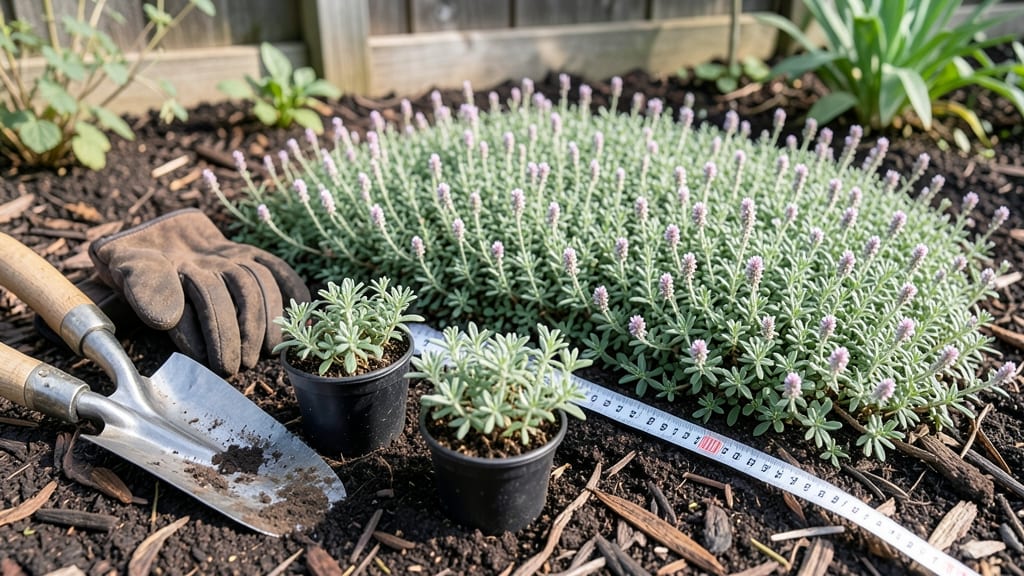
Planting creeping thyme in Colorado can feel like a gamble—get the timing wrong, and your fragrant ground cover might struggle to take root in our dry, high-altitude climate.
But when you nail the late spring to early summer window, you unlock a hardy, drought-resistant plant that thrives from Denver’s urban heat to the cooler mountain valleys.
Most Colorado gardeners wait until after the last frost (typically mid-April to mid-May), but elevation makes all the difference. At lower elevations like 5,000–7,000 feet, soil warms faster—ideal for planting by early June.
Higher up? Hold off until late May or even June to avoid frost damage to your 🌿 creeping thyme.
Why does timing matter so much? Creeping thyme needs 6+ hours of sun daily and well-draining soil to avoid rot. Plant too early, and cold snaps can stunt growth; too late, and summer’s intensity might stress young plants.
I’ll show you how to adjust for your microclimate—whether you’re in the Denver metro area or a mountain town.
The key to success? Soil prep and patience. Amend heavy clay with sand, mulch to retain moisture, and water lightly until established. With the right approach, your creeping thyme will spread into a lush, aromatic carpet that lasts all season—no matter where you are in the Centennial State.
Colorado’s best planting windows for creeping thyme by elevation zone
Colorado’s elevation zones create unique challenges for creeping thyme, but understanding your specific elevation and microclimate lets you plant at the perfect time. Whether you’re in Denver’s urban heat islands or mountain valleys, timing matters—creeping thyme thrives when planted after frost risk passes but before summer’s intense heat.
Let’s break down the ideal windows for three key elevation zones and how to adjust for your local conditions.
Creeping thyme is a drought-tolerant perennial that loves well-draining soil and full sun, but Colorado’s frost-free dates shift dramatically with elevation.
At 5,000–7,000 feet, your last frost typically arrives by mid-April to early May, while 9,000+ feet areas may not see frost-free conditions until late May or June. Urban areas like Denver or Colorado Springs also experience urban heat islands, which can push planting windows slightly earlier.
Here’s your elevation-specific planting schedule, including soil prep timing and microclimate adjustments to ensure your creeping thyme takes root and thrives year-round.
For 5,000–7,000 feet, like Denver or Fort Collins, aim to plant creeping thyme between late April and mid-May. This window aligns with soil temperatures of 50°F+, which is critical for root establishment.
Urban gardeners should adjust for heat islands by planting 1–2 weeks earlier, while rural areas may need to wait until soil warms further. Prep your soil in March by amending with sand or gravel to improve drainage—creeping thyme hates soggy roots.
At 7,000–9,000 feet, such as Colorado Springs or Estes Park, your planting window stretches from early May to mid-June. Here, microclimates vary wildly: mountain valleys can stay cooler longer, while exposed slopes warm up faster.
Test your soil’s readiness by pressing your finger 2 inches deep—if it feels dry and warm, it’s time to plant. Avoid late planting in these zones, as creeping thyme struggles to establish before winter.
Above 9,000 feet, like in Aspen or Leadville, your growing season is short and sweet. Plant between mid-June and early July to give creeping thyme enough time to root before first frost in October.
Use black plastic mulch in early spring to warm the soil faster, and choose cold-hardy varieties like ‘Cocoon’ thyme. Container gardening is a smart option here, as it lets you move plants to protected microclimates if needed.
Regardless of elevation, soil preparation is key. Creeping thyme despises compacted or alkaline soil, so amend with compost and coarse sand to create a well-draining, slightly acidic mix (pH 6.0–7.0).
If your soil is naturally alkaline, add elemental sulfur in fall to adjust pH over time. Mulch heavily with gravel or pine needles to retain moisture and suppress weeds—this plant hates competition.
One final tip: Urban gardeners should monitor sidewalk and building heat, which can create microclimates 5–10°F warmer than rural areas. If your creeping thyme is near pavement, plant on the cooler north side of structures and water deeply in the morning to combat heat stress.
With the right timing and adjustments, your creeping thyme will spread beautifully and
How to extend creeping thyme’s growing season in Colorado’s harsh climate
Colorado’s freezing winters and short growing seasons can challenge even the hardiest plants—but creeping thyme thrives with the right strategies. The key is proactive season extension using mulch, cold-resistant varieties, and smart container gardening.
I’ve learned that 'Cocoon' thyme handles zone 4 winters better than 'Elfin', which needs extra protection in mountain regions. Let’s break down how to keep your thyme lush year-round.
First, focus on mulching techniques that insulate roots while preventing soil compaction. I use 3–4 inches of straw in fall, topped with pine needles for winter—this mimics natural forest floors and keeps roots 5–10°F warmer than bare soil.
For urban gardeners, container thyme in black plastic pots absorbs heat during the day and releases it slowly at night, extending the season by 2–3 weeks.
Here’s my step-by-step guide to year-round creeping thyme care in Colorado:
- Fall Prep (Sept–Oct): Cut back bloomed stems to 1 inch and apply mulch before first frost. Test soil pH—aim for 6.0–7.5 with lime if needed.
- Winter Protection (Nov–Mar): Cover containers with burlap or frost cloth in high-elevation zones. Avoid plastic—it traps moisture and causes rot.
- Spring Revival (Apr–May): Remove mulch when soil warms to 50°F. Water sparingly—thyme rots in soggy soil. Fertilize lightly with 5-10-5 in early June.
- Summer Maintenance (Jun–Aug): Prune 1/3 of growth after flowering to encourage density. Water deeply once weekly—drought tolerance kicks in after establishment.
- Urban Hacks: Use raised beds with gravel drainage in clay-heavy Denver soils. Elevate pots on brick feet to prevent waterlogging.
For high-altitude gardens (7,000+ ft), I swear by 'Cocoon' creeping thyme—its silver foliage and compact growth handle -20°F with minimal fuss. In contrast, 'Elfin' needs extra mulch or a microclimate shelter (like a south-facing wall) to survive.
Container thyme in urban Denver? Opt for terracotta pots—they dry faster and prevent fungal issues.
Never skip fall cleanup. I’ve seen thyme dieback in zone 5 when gardeners leave last year’s mulch too thick—it smothers roots. Instead, rake out old mulch, add compost, and top with fresh straw.
This aerates soil while retaining moisture. Pro tip: Crush thyme stems in late fall to release aromatic oils, which naturally repels pests over winter.
With these tactics, my creeping thyme stays green and fragrant even in Colorado’s harshest winters. The secret? Adapt to your microclimate—whether you’re in dry Boulder, windy Colorado Springs, or a mountain valley.
Start with cold-hardy varieties, mulch like a pro, and your thyme will reward you with year-round ground cover and culinary versatility. 🌿