
Plants
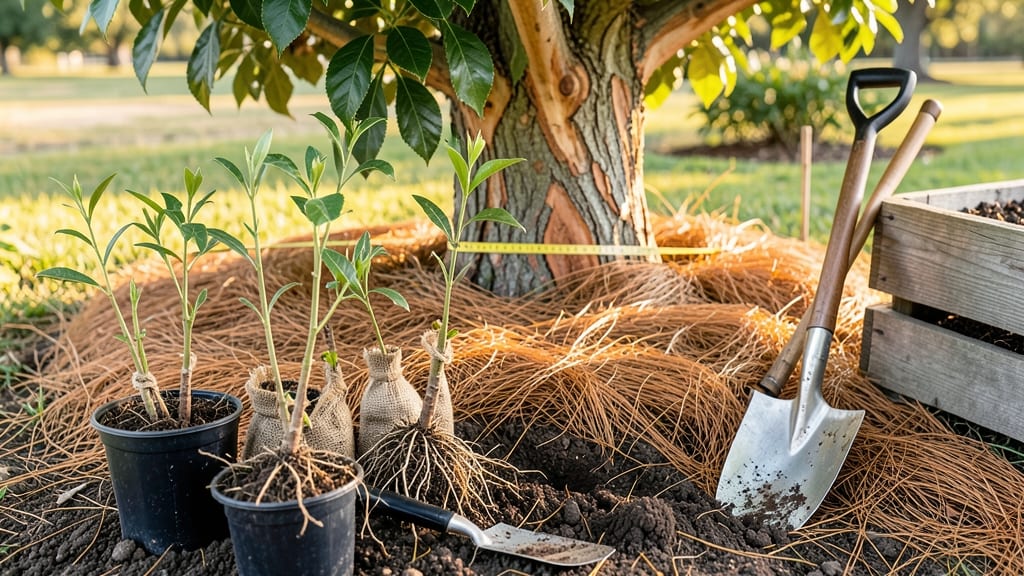
Planting a crepe myrtle 🌸 at the wrong time in North Carolina can mean the difference between a thriving tree and one that struggles to take root—or worse, dies before it even blooms.
With NC’s diverse heat zones and unpredictable frost patterns, timing isn’t just about avoiding cold snaps—it’s about giving your tree the perfect window to establish strong roots before summer’s heat kicks in.
Whether you’re in the cooler Piedmont or the warmer coastal regions, getting this right ensures your crepe myrtle grows tall and vibrant for years.
I’ve helped gardeners across the state nail their planting schedule, and the key is knowing when the soil is warm enough and the frost risk has truly passed. By following these heat zone deadlines, you’ll set your tree up for success from day one—no guesswork required.
Ready to learn the exact planting windows for your NC zone? Let’s dive into the science and strategies that make all the difference for your crepe myrtle’s future.
NC heat zone planting deadlines for crepe myrtle success
North Carolina’s diverse heat zones (5-9) create unique challenges for crepe myrtle planting. The wrong timing can leave your tree struggling with root shock or frost damage, while perfect conditions ensure vibrant blooms and strong growth.
Let’s break down the ideal planting windows by zone, using USDA hardiness maps and soil temperature triggers to guide your schedule.
Crepe myrtles thrive when planted during their active growth phase, but the exact window varies by region. In cooler zones (5-6), you’ll want to plant after the last frost but before summer heat sets in.
Meanwhile, warmer zones (7-9) offer a longer window, but timing still matters to avoid heat stress or drought conditions. Let’s explore the best deadlines for each zone.
For heat zones 5-6, prioritize planting after April 15 to avoid late frosts that can damage tender roots. In these areas, fall planting (September-October) is also viable, allowing roots to establish before winter dormancy. Use a frost blanket if planting early in cooler zones to protect young trees.
In heat zones 7-8, you have more flexibility, but avoid planting during peak summer heat (June-August). The ideal window is March-May, when soil temperatures are consistently above 50°F (10°C).
This gives roots time to establish before summer’s intense heat arrives. Mulch heavily to retain moisture and regulate soil temperature.
Gardeners in heat zone 9 can plant year-round, but spring (March-May) remains ideal for maximum growth. The key is ensuring soil temperatures stay above 40°F (4°C), which is easier in this zone. If planting in summer or fall, provide extra shade and consistent watering to prevent stress.
Regardless of your zone, always test soil moisture before planting. Stick a finger 2 inches deep—if it’s dry, wait a few days. Crepe myrtles hate waterlogged soil, so well-draining locations are a must. Amend heavy clay with compost or sand to improve drainage.
Pro tip: Container planting extends your window in cooler zones. Move potted crepe myrtles indoors or to a sheltered spot during unexpected cold snaps. This flexibility lets you plant earlier in heat zones 5-6 without frost risk.
Just ensure containers have drainage holes and use a lightweight potting mix.
Timing isn’t just about the calendar—it’s about soil conditions. Use a soil thermometer to confirm temperatures meet your zone’s triggers. For example, zone 5 needs 60°F+ soil, while zone 9 can handle cooler 40°F+.
This small tool prevents costly mistakes and ensures your crepe myrtle thrives from day one.
Remember, fall planting (September-October) is a great backup for any zone. Trees planted in fall establish roots before winter, giving them a head start in spring. Just avoid planting too late—November 1 is the cutoff for most of NC to allow root growth before dormancy sets in.
By following these heat zone deadlines, you’ll give your crepe myrtle the best chance to flourish.
Signs your crepe myrtle planting timing is wrong (and how to fix it)
If your crepe myrtle looks stressed within weeks of planting, you might’ve missed the ideal window for North Carolina’s climate. Planting too early exposes roots to late frosts, while planting too late robs them of spring growth momentum.
I’ve seen yellowing leaves and stunted stems in trees planted outside these critical periods—and recovery isn’t always guaranteed.
Crepe myrtles thrive when planted between late March and May (after last frost) or September to October (fall planting). Outside these windows, your tree may struggle with shock symptoms like wilting or leaf drop.
The key is giving roots 6-8 weeks of warm soil before summer heat hits or winter dormancy begins.
Too Early: Roots freeze in late frosts (NC’s last frost ranges from Feb 15 to March 15 by zone). Signs: Blackened stems, crispy leaves, or no new growth.
Too Late: Summer heat stresses transplanted roots before they establish. Signs: Wilting despite watering, yellowing foliage, or leaf scorch.
Fix: For early plants, mulch heavily (3–4 inches) and water deeply weekly. For late plants, transplant in early fall and prune stressed branches.
Watch for yellowing leaves that start at the bottom of branches—a classic sign of root stress from poor timing. If leaves also feel soft or mushy, your tree may be overwatered due to shallow root systems struggling to adapt.
In this case, reduce watering and improve drainage by amending soil with compost or sand.
Stunted growth is another red flag. If your crepe myrtle only grows 1–2 inches in a season (instead of the expected 12–24 inches), it’s likely nutrient-starved from poor root establishment.
To fix this, fertilize lightly with a balanced 10-10-10 in early spring and mulch with pine straw to retain moisture and warmth.
Wilting that doesn’t recover after watering is a critical warning. This often means roots didn’t acclimate before extreme heat or cold hit. If your tree is newly planted, try transplanting it deeper (bury the root flare 1–2 inches below soil level) to encourage new root growth.
For established trees, prune damaged branches and water at the base (not overhead) to prevent fungal issues.
Remember: Crepe myrtles are resilient, but timing matters. If you’ve missed the window, don’t panic—fall replanting (September–October) can still save your tree. Just avoid fertilizing until spring and protect roots with 3 inches of mulch before winter.
With patience, even late-planted trees can bounce back for stunning summer blooms! 🌸