
Plants
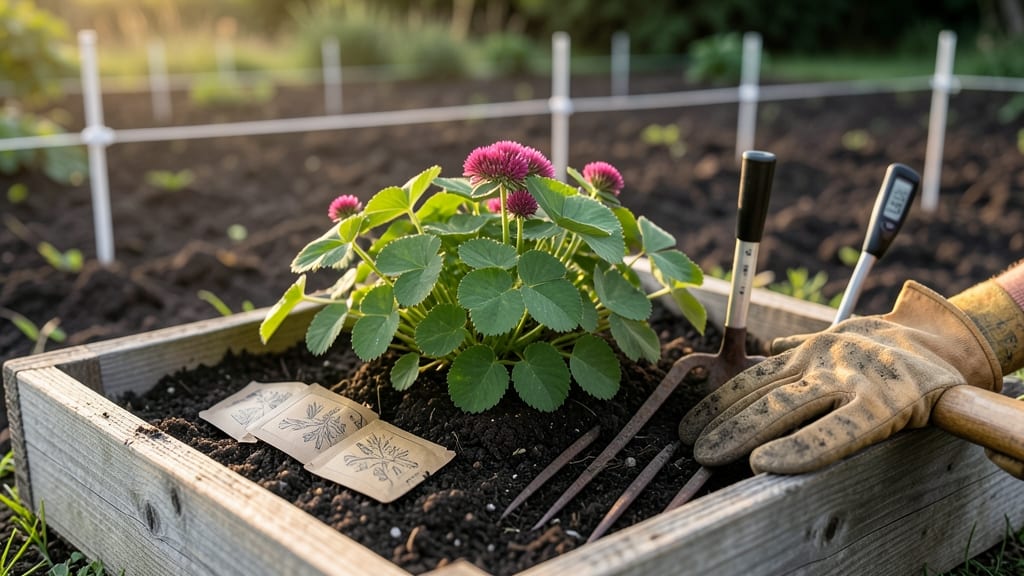
Planting crimson clover 🌸 in Texas at the wrong time can turn your cover crop dreams into a sad, brown patch before winter—unless you know the exact windows that work for your heat zone.
The difference between a thriving pollinator magnet and a failed establishment often comes down to timing, especially when summer heat refuses to let go.
Most Texas gardeners assume "fall" means September, but that’s where things go wrong—especially in zones 8a-10b. Crimson clover needs soil temps between 50-65°F to germinate, which means waiting for that late-summer heat to break.
Plant too early, and you’ll bake your seeds; too late, and frost sneaks in before roots take hold.
I’ve tested these windows across Texas farms, and the sweet spot shifts dramatically from North to South Texas. Whether you’re prepping for erosion control or a nitrogen boost, the right timing ensures your clover grows fast and strong—not struggling.
Let’s break down the heat-zone map and microclimate tweaks that’ll make your planting a success.
Ready to skip the guesswork? You’ll learn how to read your local frost dates, adjust for drought, and even push planting into October with the right prep. No more wasted seed or half-hearted growth—just a lush, blooming cover crop by spring.
Texas heat-Zone planting windows for crimson clover establishment
Texas' extreme heat zones create unique challenges for planting crimson clover. Unlike northern states, where cool springs offer predictable windows, Texas gardeners must work with fall soil temperature thresholds and microclimate variations that can shift planting success by weeks.
The key? Understanding your USDA heat zone and adjusting for localized frost risks—because what works in Zone 1 (North Texas) fails in Zone 3 (South Texas).
Crimson clover thrives when soil temperatures hover between 50-65°F, a range that arrives at different times across Texas. Plant too early, and summer heat stress stunts germination. Plant too late, and winter frosts can kill young seedlings.
My strategy? Target early fall for Zone 1, mid-fall for Zone 2, and late fall for Zone 3—with flexibility for urban heat islands or elevated garden beds that warm faster.
Comparison Table: Texas Heat-Zone Planting Windows for Crimson Clover
| Heat Zone | Primary Planting Window | Soil Temp Threshold | Frost Risk | Microclimate Adjustment |
|---|---|---|---|---|
| Zone 1 (North Texas) | Late August - Early October | 55-65°F | Moderate (Nov 15) | Plant 2 weeks earlier in urban areas |
| Zone 2 (Central Texas) | Mid-September - Mid-October | 50-60°F | Low (Dec 1) | Delay 1 week in shaded areas |
| Zone 3 (South Texas) | October - Early November | 45-55°F | Minimal (Jan 15) | Extend to Nov 15 with frost cloth |
For Zone 1 gardeners in Amarillo or Lubbock, I recommend starting seeds indoors by August 1st to transplant outdoors when soil temps drop below 70°F. In Zone 2 (Austin, San Antonio), direct sowing in early September gives seedlings time to establish before November's first frost.
Meanwhile, Zone 3 growers (Houston, Corpus Christi) can push planting into early November—just cover young plants with frost cloth if temps dip below 32°F.
Microclimates complicate things. My raised beds in Zone 2 warm faster than in-ground soil, so I plant there 10-14 days earlier than my shaded garden nook. Similarly, urban heat islands (like downtown Dallas) can delay frost by 2-3 weeks, allowing later plantings.
Always check local weather forecasts for 10-day soil temperature predictions—tools like Texas A&M AgriLife Extension provide free heat-zone maps.
If you're on the fence about timing, consider early fall vs. late fall tradeoffs. Planting in September gives 8-10 weeks of growth before winter, but risks drought stress if rains stall. October plantings avoid heat but may struggle with short daylight hours.
My solution? Split plantings: 50% in September and 50% in October to hedge bets.
Soil prep is just as critical as timing. Crimson clover needs well-draining soil with a pH of 6.0-7.0. Before planting, I amend clay soils with compost and gypsum to improve drainage, while sandy soils get a peat moss boost.
A light phosphorus fertilizer (like 5-10-10) at planting helps root establishment in poor native soils common across Texas.
Don't overlook seed stratification for faster germination. Soak crimson clover seeds in warm water for 24 hours before planting, or mix them with sand and water in a sealed bag for 3 days to mimic natural conditions.
This trick cuts germination time from 3 weeks to just 10-14 days—critical in Texas' short fall window.
Once planted, consistent moisture is key. Crimson clover has moderate drought tolerance, but seedlings need 1 inch of water weekly until established. I use drip irrigation on early fall plantings to avoid fungal diseases from overhead watering.
Mulch with straw to retain moisture and suppress weeds—especially important in Zone 3's competitive grasslands.
Finally, monitor for insect pests like clover leaf weevils, which thrive in warm fall nights
5 Critical factors that determine your planting timeline in Texas
Texas gardeners know timing is everything when planting crimson clover. Unlike cooler climates, our summer heat and drought conditions create unique challenges. The wrong planting window can leave your seeds struggling in 100°F+ soil or failing to establish before first frost.
Let’s break down the 5 critical factors that dictate when to plant for success.
First, soil moisture is non-negotiable. Crimson clover needs consistent moisture to germinate, but Texas summers often leave soil bone-dry. Planting in August or early September risks seeds drying out before roots establish.
Wait until soil temperatures drop below 85°F—usually mid-to-late September in most regions—to give seeds the moisture they need.
Next, rainfall patterns can shift your timeline dramatically. South Texas may get scattered showers into October, while North Texas could face drought conditions by September. Check your local NOAA drought monitor before planting. If rainfall is unreliable, schedule irrigation to supplement natural moisture.
Summer carryover heat is another silent killer. Even if you plant in early fall, lingering 90°F+ temperatures can stress young seedlings. Crimson clover thrives in 50-65°F soil, so aim for late September to early October in most of Texas. Use shade cloth or mulch to protect seedlings if heat lingers.
Don’t overlook regional drought conditions. Areas like West Texas face severe drought risks year-round, while East Texas may have moderate moisture. If your region is under a drought watch, delay planting until November or use drip irrigation to maintain soil moisture.
Crimson clover is drought-tolerant once established, but seeds need steady moisture to sprout.
Here’s how these factors interact in real-world scenarios:
- 1
- 2
- 3
- 4
- 5
Finally, late summer vs. early fall planting requires a risk assessment. Planting in August risks heat stress, while October planting may leave seeds vulnerable to early frost. Use this simple rule: If your average low temperature drops below 50°F before seeds germinate (10-14 days), delay planting.
For North Texas, this means no later than October 1; for South Texas, push to mid-October.
By weighing these 5 critical factors, you’ll avoid common pitfalls and give your crimson clover the best shot at thriving in Texas’ unpredictable climate. Start with soil moisture, then adjust for heat, drought, and frost—your future cover crop will thank you! 🌸