
Plants
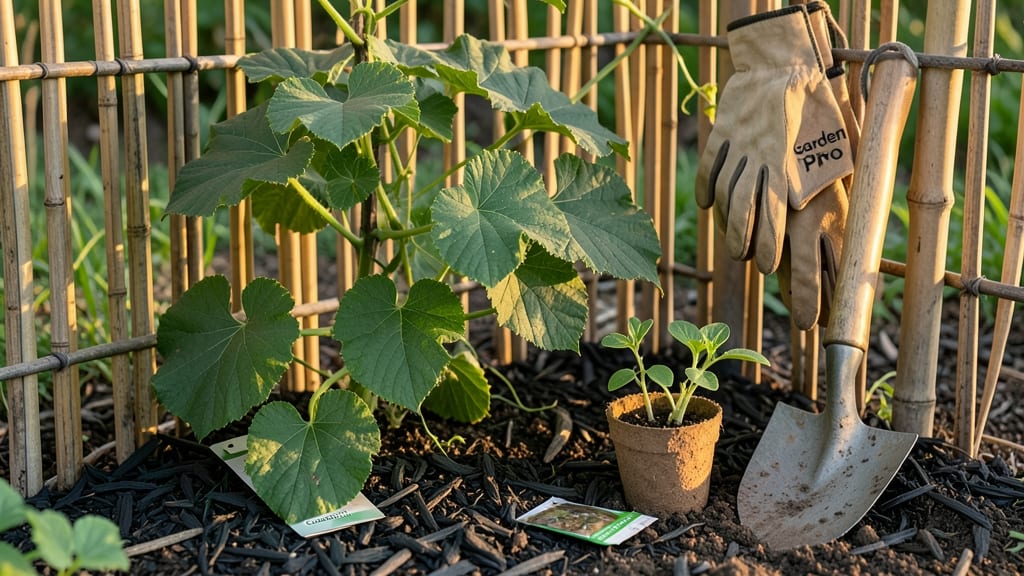
Planting cucumbers in Chicago isn’t just about grabbing seeds and sticking them in the dirt—it’s about mastering the city’s fickle spring weather to turn your garden into a 🥒-producing powerhouse.
The difference between a thriving vine and a frost-killed sprout often comes down to knowing exactly when to start, whether you’re direct-sowing or nurturing seedlings indoors.
With Chicago’s last frost typically landing between April 15 and May 10, waiting too long means missing the sweet spot for a summer harvest. But rushing it? Your delicate plants will wilt under unexpected cold snaps.
I’ll break down the exact timeline—plus soil temperature tricks and microclimate hacks—to help you time your planting like a pro.
Whether you’re a backyard gardener or a balcony container warrior, the key is understanding how Chicago’s USDA Zone 6a climate plays into your cucumber’s growth cycle.
From black plastic mulch to row covers, we’ll cover every strategy to stretch your season and avoid common pitfalls like powdery mildew or stunted vines.
Ready to turn your garden into a cucumber oasis? Let’s dive into the step-by-step guide that’ll have you harvesting crisp, homegrown 🥒s all summer long—no guesswork required.
Chicago’s frost-free timeline: exact dates to Plant cucumbers for maximum yield
Getting your cucumber seeds in the ground at the right time in Chicago means the difference between a bountiful harvest and wasted effort. The city’s USDA Zone 5b/6a climate creates a tight window—typically April 20 to May 10—when soil warms enough to support these heat-loving plants.
Missing this window risks stunted growth or frost damage, while planting too late may leave you with bitter cucumbers before the first frost in mid-October.
I’ve planted cucumbers in Chicago for years, and the key is balancing soil temperature (minimum 60°F) with frost risk. Urban areas like Lincoln Park often warm faster than suburban spots in Naperville, so I adjust my timing based on microclimates.
Let’s break down the exact dates and conditions you need to nail your cucumber planting for maximum yield.
Chicago’s last frost date averages April 20, but don’t rush—your cucumber seeds need soil at 60°F or warmer to germinate properly.
I’ve seen years where late April frosts linger until May 10, so I always check the Chicago Botanic Garden’s frost tracker or use a soil thermometer before planting.
Pro tip: Urban areas like Wicker Park can be 2-3°F warmer than suburban Elk Grove Village, so adjust your timing accordingly.
For direct sowing, aim for April 20 to May 10—this gives your plants enough time to mature before Chicago’s first frost in mid-October. If you’re using starter plants, transplant them after May 15 once nighttime temperatures stay above 55°F.
I’ve had success with ‘Straight Eight’ and ‘Marketmore 76’ varieties in these conditions, but always choose cold-hardy types if you’re pushing the season.
Soil temperature is critical—cucumbers won’t thrive below 60°F. I use black plastic mulch to warm the soil faster, especially in cooler suburban areas. This trick can shave off 1-2 weeks from your planting timeline.
If you’re in a container garden, place pots in sunny spots and use heat mats to maintain ideal temperatures. Remember, cucumber vines grow best with consistent warmth, so don’t skimp on soil prep.
Historical data shows Chicago’s frost-free season lasts about 165 days, but this varies yearly.
How to extend your cucumber growing season in Chicago: starter plants, row covers, and succession planting
Chicago’s short growing season doesn’t mean you have to miss out on fresh cucumbers. By using starter plants, row covers, and succession planting, you can stretch your harvest from early summer to late fall.
The key is starting early indoors and protecting young plants from late frosts while maximizing warmth.
Cold-hardy varieties like ‘Northern Pickling’ and ‘Straight Eight’ are perfect for Chicago gardens. These varieties tolerate cooler temperatures better than traditional slicing cucumbers, giving you a head start on the season. Pair them with the right techniques, and you’ll enjoy cucumbers for months instead of weeks.
- Start seeds indoors in February–March (8–10 weeks before last frost). Use seed trays with well-draining soil and keep them under grow lights or in a sunny window.
- Transplant seedlings outdoors after May 15, when soil reaches 60°F+. Harden off plants by placing them outside for 1–2 hours daily for a week before moving permanently.
- Use black plastic mulch or row covers to warm soil faster and protect young plants. Lay mulch 2–3 weeks before planting to raise soil temperature by 5–10°F.
- Plant successionally every 2 weeks from mid-May to early July. This ensures a continuous harvest as older plants mature and new ones take over.
- Extend the season with row covers until late September. Remove covers during the day to prevent overheating and reapply in evenings to shield from early frosts.
For urban gardeners with limited space, consider container growing. Use large pots (at least 12 inches deep) and place them in south-facing locations to maximize sunlight. Containers warm up faster than garden beds, giving you an earlier start and a longer harvest window.
Monitor soil moisture closely, especially during Chicago’s humid summers. Cucumbers need 1–2 inches of water weekly, but avoid overhead watering to prevent powdery mildew. Drip irrigation or soaker hoses work best, keeping foliage dry while delivering water directly to the roots.
With these strategies, you’ll enjoy homegrown cucumbers from June through September, even in Chicago’s unpredictable climate. Start early, protect your plants, and keep planting—your taste buds (and neighbors!) will thank you.