
Plants
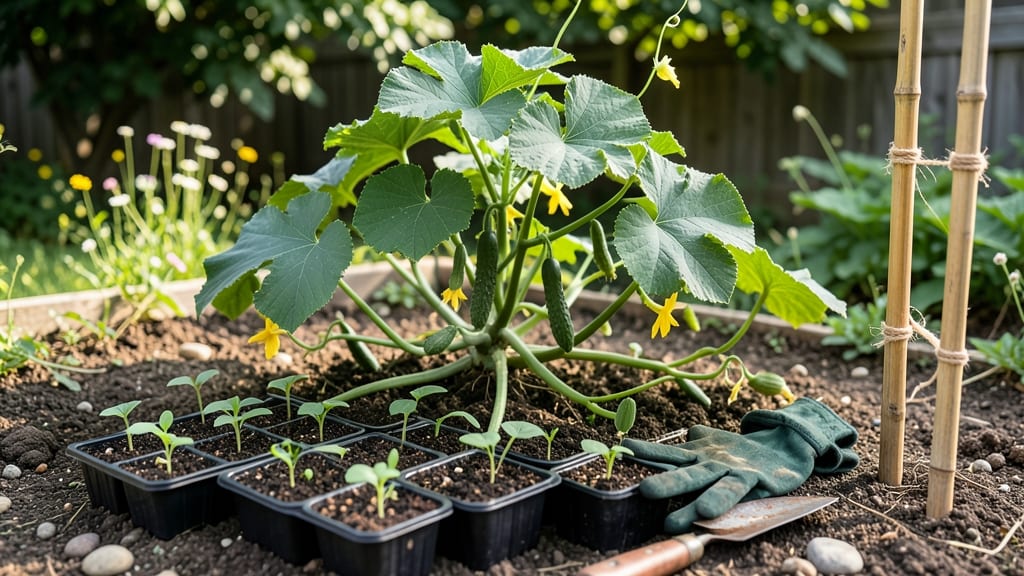
Planting cucumbers 🥒 at the wrong time in East Tennessee can turn your garden dreams into a sad pile of frost-bitten vines—so timing isn’t just important, it’s everything.
The difference between a bountiful harvest and wasted effort often comes down to knowing when soil warms up and when those last frost dates actually pass in your county.
If you’ve ever stared at your calendar in April wondering, "Should I plant now?" or panicked in May when nighttime temps dip unexpectedly, you’re not alone.
East Tennessee’s 6b-7a climate throws a curveball with its unpredictable spring weather, making the April 15–May 15 window your sweet spot—but only if you account for local microclimates.
What you’re about to discover isn’t just a planting date—it’s a game-changer for extending your growing season. We’ll break down county-specific frost-free deadlines, soil temperature thresholds, and even how to push your harvest into September using simple tricks that work here in the Smokies.
Ready to turn your cucumber patch from "maybe next year" to "oh my gosh, look at this!"? Let’s get into the exact steps that’ll have your plants thriving when others are struggling.
East Tennessee county heat zones: when to plant cucumbers by last frost dates
Planting cucumbers in East Tennessee requires precision—miss the window, and you risk frost damage or stunted growth. With USDA Zones 6b-7a, your county's elevation and microclimate dictate the perfect timing.
Most areas have a 165-day frost-free season, but cooler mountain counties like Sevier or Cocke may need earlier starts than Knox or Sullivan. Always wait until soil reaches 60°F+ and nighttime temps stay above 50°F.
Spring planting is critical—April 15-May 15 is ideal for most counties, but high-elevation areas like Johnson City (Zone 6b) should wait until May 1. Fall planting is riskier due to early frost, but heat-tolerant varieties like 'Straight Eight' can extend harvests until mid-September in warmer valleys.
Always check your county's last frost date—Sevier County averages April 15, while Knox County sees frost-free soil by April 20.
| County | Zone | Last Frost | Spring Plant | Fall Plant | Soil Temp |
|---|---|---|---|---|---|
| Sullivan | 7a | April 10 | April 25-May 5 | July 15-Aug 1 | 60°F+ |
| Knox | 6b | April 15 | May 1-May 10 | July 1-Aug 10 | 60°F+ |
| Sevier | 6b | April 15 | May 1-May 10 | July 1-Aug 10 | 60°F+ |
| Cocke | 6b | April 20 | May 5-May 15 | July 15-Aug 15 | 60°F+ |
| Johnson City | 6b | April 20 | May 1-May 10 | July 1-Aug 10 | 60°F+ |
For Sullivan County (Zone 7a), you can plant as early as April 25—warmer valleys like Blountville may even support late March starts under row covers. In contrast, Cocke County's higher elevations often require waiting until May 5 to avoid late spring frosts.
Use a soil thermometer to confirm readiness; cucumbers won't germinate below 55°F, but 60°F+ ensures vigorous growth.
Fall planting is trickier—July 1-August 1 is your window, but heat-tolerant varieties like 'Lemon Cucumber' or 'Armenian' can handle 90°F+ temps. In Knox County, aim for July 15 to avoid September's early frost. Always use black plastic
How to extend your cucumber growing season in East Tennessee’s short summers
East Tennessee’s short growing season and unpredictable weather can make cucumber gardening challenging, but with the right strategies, you can extend your harvest well into fall. The key is combining seasonal extension tools with smart planting techniques that protect your plants from early frosts and late heat waves.
I’ve successfully grown cucumbers past the traditional October frost dates using a mix of row covers, cold frames, and succession planting. These methods not only prolong your harvest but also help you avoid common pitfalls like bolted plants or stunted growth from temperature swings.
Here are my top strategies for maximizing your cucumber yield in East Tennessee’s climate:
- 🌱 Use row covers to protect young plants from light frosts (down to 28°F) and pests. Remove covers when plants flower to allow bee pollination.
- 🌡️ Plant heat-tolerant varieties like ‘Straight Eight’ or ‘Marketmore 76’ that thrive in 90°F+ temperatures—common in East Tennessee summers.
- 🌿 Succession plant every 2 weeks from April through July for a staggered harvest, ensuring fresh cucumbers even as older plants decline.
- ❄️ Set up cold frames or low tunnels in late August to shield plants from early fall frosts and extend harvests into October.
- 💧 Mulch heavily with straw or black plastic to retain soil moisture and moderate temperatures during heat waves.
For fall planting, aim to sow seeds in late July so cucumbers mature before the first frost. Choose bush varieties like ‘Bush Champion’ for easier management in small spaces. These compact plants produce well in containers or raised beds, making them ideal for urban gardens.
Don’t forget to harvest regularly—picking cucumbers every 2-3 days encourages more production and prevents bitter flavors. If a late frost threatens, harvest all ripe cucumbers and let the plants die back naturally. With these techniques, I’ve doubled my usual harvest and enjoyed fresh cucumbers well past Labor Day!
Pro tip: Keep a planting journal to track which methods work best in your microclimate. East Tennessee’s elevation variations mean frost dates can differ by 1-2 weeks between valleys and mountain areas—adjust your timeline accordingly. 🌱