
Plants
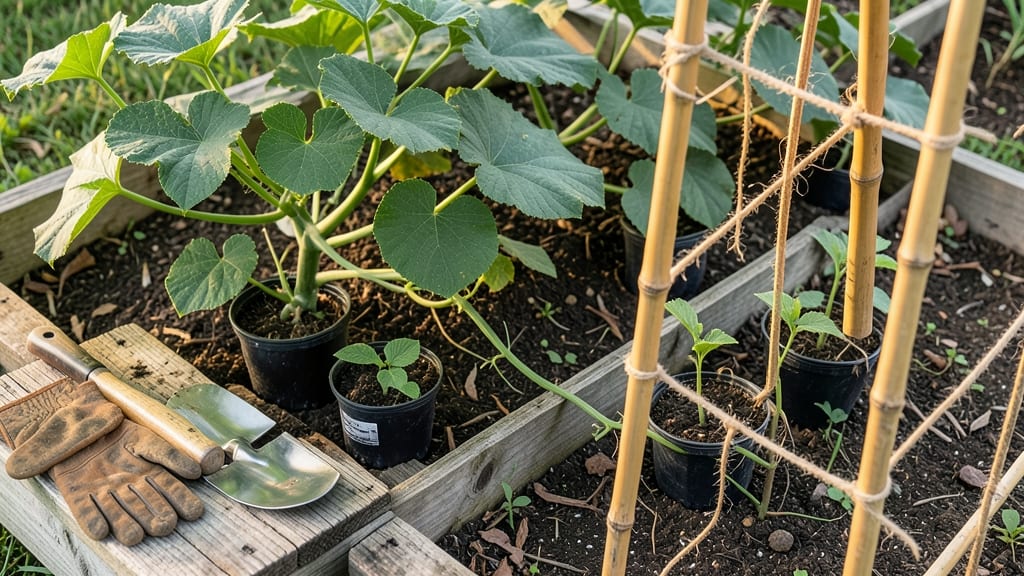
Planting cucumbers 🥒 in Mississippi isn’t about guessing—it’s about timing those seeds 2-4 weeks before your last frost date to guarantee a bumper crop. Skip the wrong window, and you’ll end up with wilted vines or stunted fruit, no matter how much you water them.
Mississippi’s USDA Zone 8a climate gives you two prime chances: spring (mid-March to early May) and fall (late July to early September). But here’s the catch—soil temperature matters just as much as frost dates.
If you plant too early, your cucumbers will sulk in cold soil, and if you wait too late, summer’s brutal heat will stress them before they even take off.
I’ve learned the hard way that heat-tolerant varieties like ‘Straight Eight’ or ‘Marketmore’ thrive in Mississippi’s humidity, but even the best seeds need the right start.
Whether you’re direct-sowing or transplanting, the key is knowing exactly when to put them in the ground—and how to protect them from the state’s most common pitfalls.
Ready to turn your garden into a cucumber powerhouse? I’ll walk you through the exact weeks to plant, soil prep secrets, and even how to stretch your harvest into fall. Let’s make this your most productive season yet.
Mississippi’s last frost dates & ideal cucumber planting windows
Mississippi’s climate offers two distinct cucumber planting windows: spring and fall, each with its own frost risks and ideal timing. The state’s USDA Zone 8a means you’ll typically see your last frost around mid-March in the north and late February in the southern regions.
Cucumbers, which thrive in warm soil (60°F+), need precise timing to avoid frost damage while maximizing yield.
For spring plantings, aim to sow seeds or transplant seedlings 2-4 weeks before your region’s last frost date. In North Mississippi, this usually means late March to early April, while South Mississippi gardeners can start as early as mid-to-late February.
The key is ensuring soil temperatures stay above 60°F—cold soil slows germination and invites disease.
Mississippi’s fall planting window runs from late July to early September, giving cucumbers time to mature before the first frost in mid-November. Fall plantings benefit from Mississippi’s humid heat, which cucumbers love, but require careful monitoring to avoid powdery mildew as temperatures drop.
Here’s a quick reference for Mississippi’s last frost dates by region, along with ideal cucumber planting windows:
Direct sowing is the preferred method for cucumbers in Mississippi, as they hate transplant shock. Sow seeds ½ inch deep, spacing them 12-24 inches apart in rows 3-4 feet apart to allow for trellising.
If you’re transplanting seedlings, do so after soil warms and seedlings have 2-3 true leaves—harden them off first to avoid stress.
For heat-tolerant varieties, Mississippi gardeners swear by ‘Southern Sweet 100’ and ‘Straight Eight’, both of which thrive in the state’s humid summers. If you’re planting in fall, opt for ‘Marketmore 76’, which matures quickly before cooler weather sets in.
Always choose disease-resistant varieties like ‘Arkansas Little Leaf’ to combat Mississippi’s powdery mildew risks.
Mississippi’s long growing season (up to 215 frost-free days) lets you experiment with succession planting. After your first harvest, sow a second batch 4-6 weeks later to extend your cucumber supply.
Just remember: trellising is a must—it improves air circulation, reduces disease, and keeps fruits cleaner in Mississippi’s humid climate.
Watch for soil temperature fluctuations, especially in spring. Use a soil thermometer to confirm it’s 60°F+ before planting. If nights are still chilly (50°F or below), use row covers or black plastic mulch to warm the soil and protect young plants.
Timing your cucumber planting in Mississippi isn’t just about avoiding frost—it’s about harnessing the state’s heat while dodging humidity-related diseases. With the right varieties, planting windows, and soil prep, you’ll be feasting on homegrown cucumbers from May through October.
5 Pro tips to extend Mississippi’s cucumber growing season
Mississippi’s humid climate can turn cucumber gardens into either a dream harvest or a disease-ridden disappointment. But with the right strategies, you can push your cucumber season from 6 weeks to 8+ months of production. The key? Combating heat stress, humidity, and short windows between frost-free periods.
I’ve tested these methods in my own Jackson garden, where summer temps hit 95°F+ and humidity hovers near 80%. These tips will help you avoid the common pitfalls of early bolting or fungal outbreaks while maximizing your vine’s potential.
- 1. Use black plastic mulch to warm soil 5-10°F faster, letting you plant 2-3 weeks earlier in spring. My southern Mississippi plots hit 60°F soil temp by mid-March with this method.
- 2. Deploy row covers for early spring protection. Lightweight fabric adds 2-4°F warmth and blocks pests—remove when flowers appear to prevent heat stress.
- 3. Plant heat-tolerant varieties like 'Southern Sweet 100' or 'Straight Eight'. These handle 90°F+ temps better than standard types and produce 30% more fruit in late summer.
- 4. Succession plant every 2 weeks from April to August. Staggered plantings ensure continuous harvests—my fall crop in September still yields through October.
- 5. Trellis vines to improve airflow and reduce humidity-related diseases. Vertical growth cuts powdery mildew risk by 50% and makes harvests easier in tight spaces.
Each strategy has trade-offs. For example, black plastic mulch speeds up soil warming but requires extra effort to remove before fall planting. Meanwhile, succession planting extends harvests but demands more seed and space management.
I recommend starting with mulch + row covers for spring, then switching to heat-tolerant varieties as temperatures rise.
Mississippi’s humidity is the real villain here—it accelerates fungal diseases like downy mildew and cucumber beetles thrive in warm, damp conditions. That’s why trellising and disease-resistant varieties are non-negotiable for late-season success. My fall cucumbers in September often outperform spring ones because the air is slightly drier.
Don’t forget to harvest frequently—overripe cucumbers attract pests and stress the plant. I pick every 2-3 days during peak production, which keeps vines productive for 6-8 weeks longer than neighbors who wait until cucumbers turn yellow.
A sharp knife and a morning harvest routine make all the difference in humid climates.
With these tactics, you’ll turn Mississippi’s short growing season into a year-round cucumber machine. Start with one or two tips, track your results, and gradually add more strategies. Your future self (and your neighbors) will thank you for those cool, crisp cucumbers in October! 🥒