
Plants
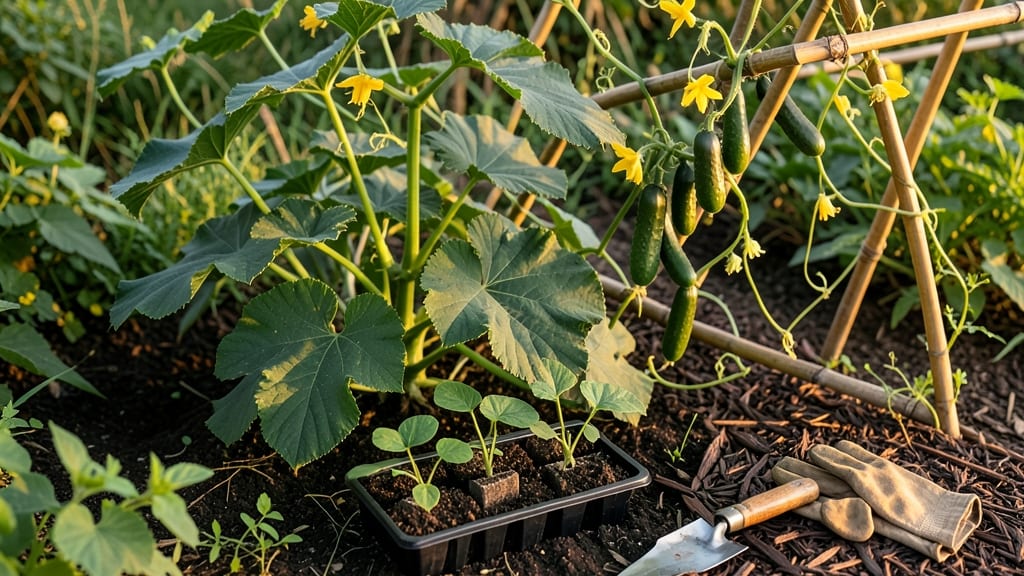
Timing your 🥒 cucumber planting in Portland, Oregon, can feel like a high-stakes gamble—one wrong move, and you're left with sad, stunted plants instead of crisp, homegrown harvests.
The key isn't just waiting for spring; it's understanding Portland's quirky microclimates where urban heat islands can trick you into planting too early, while frost pockets might still surprise you in May.
Most gardeners here swear by the late April to early June window, but that's only part of the story. Soil temperature matters just as much as calendar dates—cucumbers need 60°F+ soil to germinate, and Portland's famously damp springs can delay that warmth for weeks.
I've learned the hard way that rushing these picky plants leads to leggy, weak vines that never recover.
What if I told you there's a way to stretch your growing season by 3-4 weeks? Whether you're dealing with a chilly backyard or a sunbaked patio, the right techniques—like cold frames, row covers, or even succession planting—can turn Portland's unpredictable weather into an advantage.
Let me show you exactly how to do it without wasting seeds or your patience.
By the end, you'll know not just when to plant, but where and how—whether you're starting seeds indoors, transplanting seedlings, or diving straight into the soil. No more guessing games; just a foolproof plan tailored to Portland's Zone 8a realities. Ready to grow cucumbers like a local?
Portland’s frost-free planting windows for cucumbers: exact dates by microclimate
Portland’s USDA Zones 8a-9a create a unique challenge for cucumber growers, where last frost dates can vary by 10+ days between neighborhoods.
The city’s urban heat islands in areas like Hawthorne and Pearl District warm up faster than cooler zones like West Hills, meaning your planting window could shift by weeks depending on location. For zero frost risk and optimal germination, timing is everything.
Cucumbers thrive when soil temperatures hit 60°F+ and nighttime temps stay above 50°F. In Portland, this typically aligns with mid-April to early June, but your exact window depends on whether you’re direct sowing seeds or transplanting seedlings.
Urban areas often see 2-3 weeks earlier planting than rural outskirts, thanks to concrete and pavement retaining heat.
Here’s the breakdown of frost-free planting windows by microclimate, including direct sowing vs. transplanting timelines to maximize your harvest:
| Microclimate | Last Frost Avg. | Direct Sowing Window | Transplant Window | Zero Frost Risk |
|---|---|---|---|---|
| Urban Heat Islands (Hawthorne, Pearl, Downtown) | April 10-15 | April 20 - May 10 | April 1 - April 15 | May 1 - June 15 |
| Suburban (Alberta Arts, Sellwood) | April 15-20 | May 1 - May 15 | April 15 - April 30 | May 15 - June 10 |
| Cooler Zones (West Hills, Forest Park) | April 25 - May 5 | May 15 - June 1 | May 1 - May 15 | June 1 - June 30 |
| Rural Outskirts (Boring, Troutdale) | May 1-10 | May 20 - June 5 | May 10 - May 25 | June 15 - July 15 |
If you’re direct sowing cucumber seeds, aim for soil temps of 60°F+—use a soil thermometer to confirm. In urban areas, this often means starting 2 weeks earlier than rural zones. For transplants, harden off seedlings for 7-10 days before setting them out after your local last frost date.
Pro tip: Black plastic mulch can raise soil temps by 5-10°F, letting you plant 1-2 weeks earlier in cooler microclimates. Pair this with drip irrigation to maintain consistent moisture—cucumbers wilt fast in Portland’s dry summer heat.
For maximum yield, stagger plantings every 2 weeks between May and early June. This ensures a continuous harvest through September, when first frost risks rise. Avoid planting after July 15 in most zones, as vines struggle to mature before cold snaps.
Watch for false springs—Portland’s unpredictable weather can bring frost as late as May 15 in some years. Use frost cloth if nights dip below 50°F after planting. Varieties like ‘Straight Eight’ or ‘Lemon Cucumber’ tolerate cooler temps better than ‘Marketmore’.
Once your cucumbers hit 6-8 inches, harvest every 2-3 days to encourage more production. Store them in the fridge to extend shelf life—Portland’s humid summers can lead to rot if vines stay too wet. With the right timing, you’ll enjoy crisp, homegrown cucumbers from July through September!
How to extend your cucumber season in Portland: cold frames, row covers, and succession planting
Portland’s cool, wet springs and unpredictable fall weather can cut your cucumber season short—but with the right strategies, you can stretch it from early spring to late summer. The key is combining protective structures, cold-hardy varieties, and succession planting to outsmart the climate.
I’ve learned that even a few extra weeks of harvest can mean the difference between pantry staples and store-bought disappointments.
Many gardeners assume their soil is warm enough by late April, but soil temperature often lags behind air temperature. Without intervention, seeds rot in cold earth or seedlings bolt in sudden heat.
The solution? Layered protection that mimics ideal growing conditions while buying time for your plants to establish roots and thrive.
- 1 Start with cold frames in early March for 30-day head starts. Use clear plastic lids to trap heat and plant cold-tolerant varieties like 'Tyria' or 'Burpee Bush Champion'. Soil inside warms 10-15°F faster than outdoors.
- 2 Deploy row covers over direct-sown seeds in late April to raise soil temps by 5-8°F. Remove covers when vines hit 12 inches tall to prevent overheating. Use floating row covers for wind protection in exposed areas.
- 3 Plant successionally every 2 weeks from May to July. Stagger varieties with 50-day ('Straight Eight') and 60-day ('Marketmore') maturities for continuous harvests. Use black plastic mulch to warm soil for later plantings.
- 4 Avoid common mistakes like overestimating soil warmth. Test soil temps with a soil thermometer—aim for 60°F+ before planting. Never use fresh manure near seedlings, as it can cause nitrogen burn and set plants back.
For late-season extensions, I’ve had success with low tunnels over established plants in August. These simple structures made from PVC pipes and row covers can add 2-3 extra weeks of harvest before Portland’s first frost.
Just remember to vent them on warm days to prevent fungal diseases like powdery mildew, which thrives in humid conditions.
Succession planting is my favorite trick for maximizing yield. Instead of one big planting in May, I sow half my seeds every 14 days through July. This ensures a steady supply of fresh cucumbers while older plants continue producing.
For container gardeners, bush varieties like 'Bush Champion' are ideal—they mature faster and fit perfectly in 5-gallon pots.
Don’t forget to monitor your plants for pests and diseases during extended seasons. Cucumber beetles and aphids love stressed plants, so I rotate companion plants like nasturtiums and marigolds around my cucumbers. A quick spray of neem oil every 10 days keeps them at bay without harming beneficial insects.
With these strategies, you can enjoy homegrown cucumbers from late May through October—plenty of time to pickle, slice, or share with neighbors. The secret isn’t just about timing; it’s about creating the right conditions for your plants to thrive, no matter what Portland’s weather throws at them. 🥒