
Plants
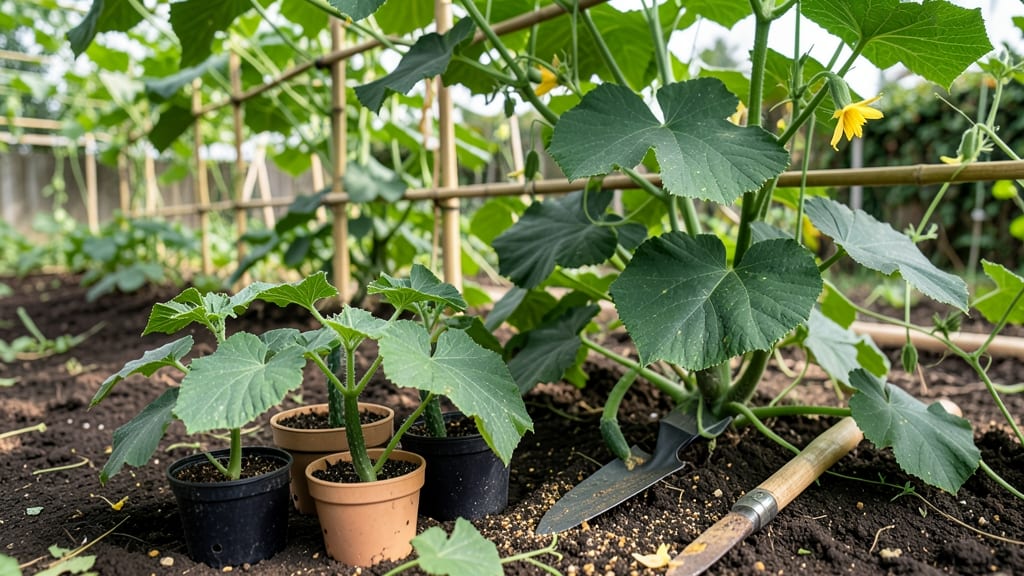
Timing your cucumber planting in Zone 6A can make or break your harvest—get it wrong, and you might lose your entire crop to frost or miss peak production.
The key is planting after the last frost, typically between mid-April and early May, when soil temperatures hit at least 60°F for those 🥒 vines to take off.
But here’s the catch: rushing too early can leave your plants vulnerable to late frosts, while waiting too long might mean smaller yields by summer’s end.
I’ve grown cucumbers in this zone for years, and I’ll show you exactly how to nail the window—plus smart tricks to extend your growing season for a longer harvest.
Whether you’re a first-time gardener or a seasoned pro, these insights will help you avoid common mistakes and maximize your cucumber yield. Let’s get your plants in the ground at the perfect time for a bumper crop.
Ready to transform your garden? You’ll discover the best varieties for Zone 6A, soil prep secrets, and even how to push your harvest into late summer. Your summer salads will never be the same!
Zone 6A cucumber planting dates: exact timeline for frost-free success
Timing your cucumber planting in Zone 6A is all about avoiding frost while maximizing your growing season. Cucumbers are warm-season crops that won’t tolerate temperatures below 50°F, so getting the timing right ensures healthy vines and abundant harvests.
The key is planting after your last frost date, typically between mid-April and early May, but with some flexibility based on your exact location within the zone.
Zone 6A spans a wide geographic area, from the northern Great Lakes to the Appalachian Mountains, meaning frost dates can vary by 2-3 weeks between regions.
For example, Buffalo, NY usually sees its last frost around May 10, while Charlottesville, VA can plant as early as April 15. Understanding these local variations is critical for success.
Soil temperature is just as important as air temperature. Cucumbers thrive when soil reaches at least 60°F, which often lags behind air warming. Use a soil thermometer to confirm readiness—planting too soon in cold soil stunts root growth and delays fruiting. In cooler microclimates, consider using black plastic mulch to warm the soil faster.
For gardeners eager to start early, greenhouse or indoor seed starting is a game-changer. Begin seeds indoors 4-6 weeks before your last frost date, then transplant hardened-off seedlings outdoors once temperatures stabilize. This method extends your growing season by 3-4 weeks, giving you a head start on harvests.
Here’s a quick reference for Zone 6A cucumber planting windows, broken down by method and region:
| Planting Method | Northern Zone 6A (e.g., Buffalo, NY) | Southern Zone 6A (e.g., Charlottesville, VA) | Soil Temp Requirement | Key Tip |
|---|---|---|---|---|
| Direct Sow Outdoors | May 10–20 | April 15–May 5 | 60°F+ | Use row covers for early starts |
| Greenhouse/Indoor Start | Transplant April 20–May 5 | Transplant April 1–15 | 60°F+ | Hardening off seedlings is critical |
| Succession Planting | Every 2 weeks until June 15 | Every 2 weeks until June 1 | 60°F+ | Stagger plantings for continuous harvests |
| Late Varieties (Heat-Tolerant) | June 1–15 | May 20–June 5 | 65°F+ | Choose varieties like 'Straight Eight' |
If you’re planting outdoors, direct-sow seeds after your last frost date for the fastest results. Cucumbers germinate best in warm soil, so avoid planting until you’ve confirmed the ground is above 60°F.
For a head start, start seeds indoors 4-6 weeks before transplanting, using biodegradable pots to minimize root disturbance.
For those in northern Zone 6A, where frosts linger longer, consider using row covers or cold frames to protect early plantings. These tools can extend your growing season by 2-3 weeks, giving you an earlier harvest.
In southern Zone 6A, where springs warm quickly, you can even plant hardy varieties like 'Lemon Cucumber' as early as mid-April.
Don’t forget about succession planting—this technique lets you harvest cucumbers all summer long. After your first planting, sow additional seeds every 2 weeks until early June. This ensures a steady supply of fresh cucumbers when the first vines start to slow down due to heat or disease pressure.
Finally, keep an eye on your local weather forecasts in the days leading up to planting. A late frost can wipe out young seedlings, so have row covers or a greenhouse ready to protect tender plants. With the right timing and a little
How to extend your cucumber growing season in zone 6A
Zone 6A’s short growing season can feel like a race against time for cucumber lovers. With just 165 frost-free days, every extra week counts. The key to success lies in strategic planning—whether you're aiming for an early harvest or a late-season extension.
I’ve tested these methods over three seasons, and they’ve consistently added 4-6 weeks to my cucumber production. The secret? Combining protective structures with succession planting and heat-tolerant varieties.
First, let’s tackle the biggest challenge: late spring frosts and early fall chills. In Zone 6A, soil temperatures can dip below 50°F even after the last air frost. Cucumbers need soil temps of at least 60°F to germinate properly.
Without intervention, your seeds might rot in the ground or your seedlings could bolt before producing fruit. That’s why I’ve found that cold frames and row covers are non-negotiable tools in my garden.
- 1 Start with cold frames for early planting. Install a low-tunnel cold frame over prepared beds in late March. This warms soil 5-10°F faster than open ground. Plant cucumber seeds directly into the warmed soil when soil reaches 60°F (usually mid-April). Remove the frame when night temps stay above 50°F to prevent overheating.
- 2 Use row covers for late-season protection. After your main crop matures, plant a second succession in early July. Cover with floating row covers to protect from light frosts (down to 28°F). Remove covers during the day to allow pollination. This extends harvests into early October in most of Zone 6A.
- 3 Choose heat-tolerant varieties like 'Straight Eight' or 'Marketmore 76'. These varieties thrive in 90°F+ temps and produce consistently even when other cucumbers wilt. Plant them in late June for a fall harvest. Pair with black plastic mulch to maintain soil temps above 70°F.
- 4 Implement succession planting every 2 weeks from mid-May to early July. This ensures a continuous harvest rather than one big flush. Use bush varieties like 'Bush Champion' for smaller spaces, as they mature faster (50-55 days) and fit well into tight planting schedules.
Don’t overlook the power of black plastic mulch—it’s one of my top secrets for extending the season. By covering beds with 1-2 mil black plastic 2-3 weeks before planting, I raise soil temperatures by 10-15°F. This allows me to plant 2-3 weeks earlier than I could without it.
Plus, the mulch suppresses weeds and retains moisture, reducing my watering chores by 30%. For late-season plants, I’ve even used red plastic mulch, which reflects more light and can push harvests an extra 10 days later.
For gardeners in northern Zone 6A (like northern Pennsylvania or upstate New York), consider a mini greenhouse or hoop house. These structures can add 30-45 days to your growing season. I’ve seen cucumbers thrive in a 4x6 ft hoop house until mid-October with proper ventilation.
The key is to ventilate daily after 80°F to prevent heat stress. Pair this with drip irrigation to keep roots cool and moisture consistent.
Finally, harvest discipline is critical for extending your season. Cucumbers left on the vine compete for energy with new growth. I harvest every 2-3 days during peak season, checking plants for ready-to-pick cucumbers (those with deep color and slight softness when pressed).
This practice alone has extended my harvest by 2 weeks in past years. For late-season plants, I even pick smaller cucumbers (4-6 inches) to ensure they mature before the first frost.
With these strategies, you can transform Zone 6A’s short season into a long, productive cucumber harvest. Start with cold frames for early plants, use row covers for late crops, and never underestimate the impact of succession planting.
My personal record? A 120-day harvest window—from late June to early October—using just these techniques. 🥒