
Plants
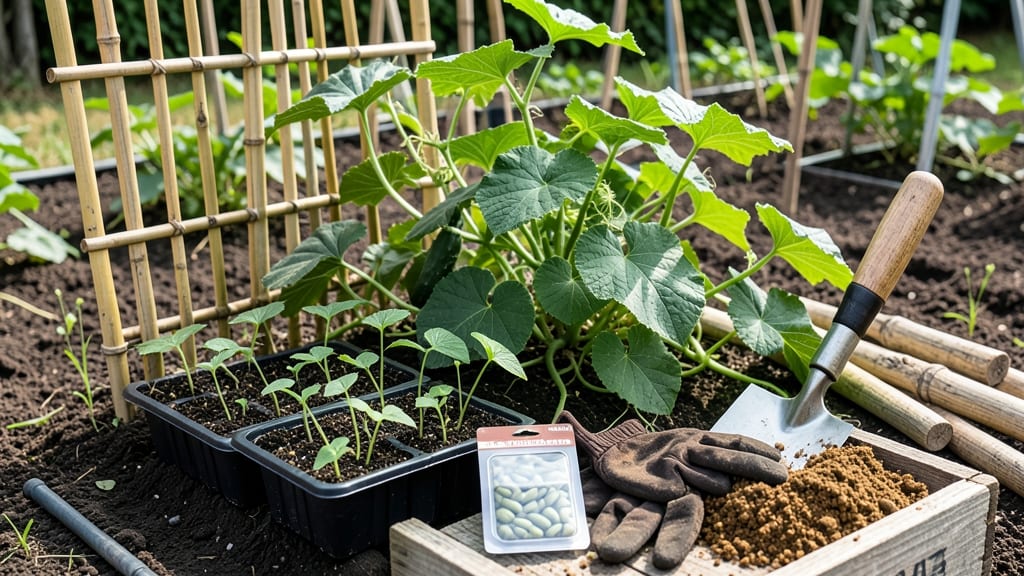
Planting cucumbers in Zone 8 at the wrong time means either shivering seedlings or wilted vines before they even get started. The key to a bountiful harvest isn’t just luck—it’s knowing exactly when to put those 🥒 seeds in the ground so they thrive in your climate.
Most gardeners in Zone 8 make one of two mistakes: planting too early and risking frost damage, or waiting too long and missing the sweet spot before summer’s brutal heat sets in.
I’ve learned the hard way that timing isn’t just about dates—it’s about soil temperature, last-frost warnings, and even the type of cucumber you choose.
In this guide, I’ll break down the perfect planting windows for both spring and summer harvests, plus pro tips to beat Zone 8’s extreme heat. Whether you’re direct-sowing or transplanting, you’ll leave here with a schedule that guarantees success—no more wasted seeds or disappointed vines.
Ready to grow cucumbers that outperform even the most experienced gardener’s expectations? Let’s get started with the heat-wave ready schedule that works in your backyard.
Optimal planting windows for cucumbers in Zone 8 (with heat-tolerance hacks)
Timing is everything when growing cucumbers in Zone 8, where soil temperatures can swing from chilly springs to scorching summers. The key is planting when your soil hits 60°F (15°C)—the magic threshold for germination—and avoiding both late frosts and midday heatwaves that stunt vines.
In my Zone 8 garden, I’ve mastered two foolproof windows: a spring planting for early harvests and a summer replant to beat the heat.
For most of Zone 8, the last frost date falls between March 15 and April 15, but microclimates near coasts or mountains can shift this by 2-4 weeks. I always check my local Almanac and add a 2-week buffer before planting.
Meanwhile, summer heat can push soil temps above 90°F (32°C), which stresses cucumbers—so I use black plastic mulch to keep roots cool and moist.
⚠️ CRITICAL: Never plant cucumbers in Zone 8 until your soil is consistently above 60°F. A soil thermometer is your best friend here—cold soil delays germination, while overheated soil can fry seeds. I’ve lost entire batches by ignoring this rule, so don’t make my mistake!
My spring planting always starts in late April when soil hits 65°F (18°C). I direct-sow seeds 1 inch deep in hills spaced 3–4 feet apart, using bush varieties like ‘Bush Champion’ to save space.
For extra protection, I lay down lightweight row covers until vines hit 12 inches tall, which shields tender seedlings from late spring frosts that can still sneak into Zone 8.
For summer plantings, I switch to heat-tolerant varieties like ‘Straight Eight’ and sow seeds in July after the worst heatwaves pass. The trick here is shade cloth during peak afternoon sun (12 PM–4 PM) to prevent sunscald on young leaves.
I also mulch heavily with straw or black plastic to insulate roots—this keeps soil temps 10–15°F cooler than bare ground.
Transplanting cucumbers in Zone 8 works best for spring starts if you’re using seedlings from a nursery. Harden them off for 7–10 days before planting, and avoid setting them out after 10 AM to prevent transplant shock.
I’ve had success with 6-week-old seedlings planted in early May, but they need daily watering for the first 2 weeks to recover.
One of my biggest mistakes? Ignoring soil moisture during summer plantings. Cucumbers in Zone 8 need 1–2 inches of water weekly, but in 100°F+ heat, I’ve had to water every other day.
I use drip irrigation to keep leaves dry, which cuts down on powdery mildew—a common issue in humid Zone 8 summers. Pro tip: Water at sunrise to give foliage time to dry before evening humidity sets in.
To extend your harvest into fall, plant a third batch in late August using fast-maturing varieties like ‘Sweet Success’. These can produce fruit until first frost (usually mid-November in Zone 8).
I’ve even had luck with row covers pushing harvests into December in mild microclimates—just remove them during the day to prevent overheating.
Remember: cucumbers are 90% water, and in Zone 8’s intense sun, they’ll wilt faster than you think. Always check soil moisture 2 inches deep—if it’s dry, water immediately.
And if your vines start yellowing or wilting in afternoon heat, provide temporary shade with a breathable cloth until they recover. With these hacks, you’ll beat the heat and enjoy cucumbers from spring to fall!
How to adjust your cucumber planting schedule for Zone 8’s extreme heat (pro tips)
Zone 8’s brutal summers can turn cucumber plants into sad, wilted shadows if you’re not strategic.
The key is adjusting your planting schedule to avoid the hottest midday sun while still giving your plants enough warmth to thrive. Heat-resistant varieties and smart timing make all the difference in beating the heat and still getting a bountiful harvest.
Don’t let the 100°F+ temperatures fool you—cucumbers are heat-loving plants, but they need a gentle transition into summer. Planting at the right time means avoiding blossom-end rot (a common heat stress symptom) and ensuring your vines keep producing instead of wilting. Here’s how to time it perfectly.
- 🌱 Start seeds indoors 3-4 weeks before your last frost date (typically early March in Zone 8) for transplants.
- 🌡️ Wait until soil temps hit 60°F+ (use a soil thermometer!) before direct-sowing outdoors (usually late April to early May).
- ☀️ Stagger plantings every 2 weeks from May to July for a continuous harvest and to avoid heat stress.
Once your seedlings are ready, choose afternoon shade to protect them from the peak heat. A simple shade cloth (30-50% coverage) or even a lightweight row cover can drop temperatures by 10-15°F, making all the difference.
I’ve seen Straight Eight cucumbers thrive under partial shade, producing crisp, sweet fruits even in 110°F heat.
Watering is where most Zone 8 gardeners go wrong. Deep, infrequent watering in the early morning (before 8 AM) keeps roots cool and prevents blossom-end rot. Aim for 1-2 inches of water per week, delivered directly to the soil base, not the leaves.
Mulching with straw or black plastic retains moisture and regulates soil temperature—critical for heat-stressed plants.
If your cucumbers start looking wilting or yellowing, don’t panic. These are heat shock signs, not death sentences. Prune lower leaves to improve airflow, and reduce water slightly if the soil is soggy.
For extreme heat waves, a light misting in the evening can provide temporary relief, but avoid wetting foliage during the day to prevent fungal diseases.
Pro tip: Lemon cucumbers and ‘Marketmore 76’ are my go-to heat-resistant varieties for Zone 8. They handle high temperatures better than standard slicing cucumbers and produce consistently even in August’s sweltering heat. Pair them with a trellis system to keep vines off the hot ground and improve air circulation.
With these adjustments, your cucumber plants will thrive in Zone 8’s heat instead of struggling. The secret? Timing, shade, and steady care—not brute-force gardening. Try these tips this season, and you’ll be harvesting crisp cucumbers long after your neighbors’ plants have given up. 🌿