
Plants
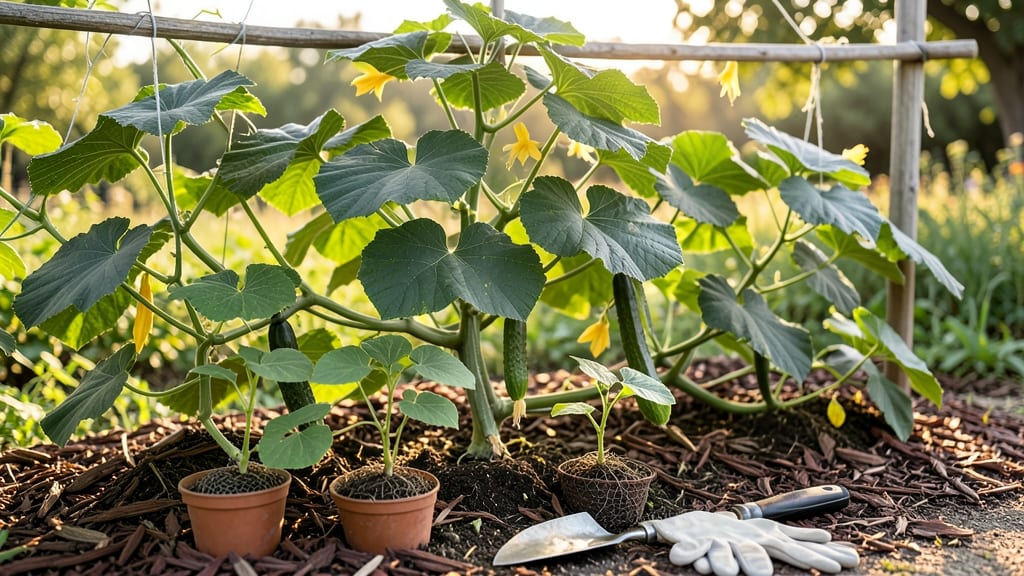
Planting cucumbers in Zone 8a at the wrong time can mean the difference between a bountiful harvest and watching your plants bolt into flower before producing a single 🥒. The key isn't just waiting for spring—it's understanding your local microclimate and soil temperature cues that most gardeners miss.
I've learned the hard way that timing matters more than variety selection or soil prep when it comes to cucumbers. Too early, and your seedlings will wilt in the heat; too late, and you'll miss the sweet spot between frost risk and summer's scorching days.
Let me show you exactly when to plant for two successful harvests each year—and how to stretch that window with simple tricks.
Most gardeners in Zone 8a focus only on spring planting, but fall offers a second chance for crisp cucumbers. With the right approach, you can enjoy fresh harvests from June through November.
Whether you're starting from seed or transplanting, these timing secrets will help you avoid common pitfalls and maximize your yield.
Ready to grow cucumbers that thrive? We'll cover everything from soil temperature checks to shade cloth timing, so you can confidently plant knowing you're setting up your 🥒 plants for success—no guesswork required.
Optimal planting windows for cucumbers in Zone 8a: avoiding heat stress and bolting
Cucumbers thrive in Zone 8a, but timing is critical to avoid heat stress and bolting. The key is planting when soil temperatures stay above 60°F but before summer’s brutal heat sets in.
Miss this window, and your plants may flower prematurely, producing bitter fruit—or worse, give up entirely. Let’s break down the perfect planting schedule to maximize your harvest.
Your last frost date in Zone 8a typically falls around February 15, but cucumbers won’t tolerate cold soil. Instead, focus on soil temperature, not air temperature. Use a soil thermometer to confirm the ground has warmed to 60°F+—usually 4-6 weeks after last frost.
This often lands in late March to early April for spring plantings.
| Planting Method | Ideal Window | Soil Temp | Harvest Window | Key Tip |
|---|---|---|---|---|
| Direct Sow Spring | Late March–Early April | 60°F+ | June–July | Use black plastic mulch to warm soil faster |
| Transplant Spring | Mid-April–Early May | 65°F+ | June–August | Hardening off seedlings for 7–10 days |
| Direct Sow Fall | Late July–Early August | 70°F+ | September–October | Choose heat-tolerant varieties like 'Straight Eight' |
| Transplant Fall | Mid-August–Early September | 60°F+ | September–November | Use shade cloth to protect from late heat |
For spring plantings, direct sowing is ideal—it hardens seedlings naturally. Start seeds indoors 3-4 weeks before your target outdoor date if you prefer transplants, but avoid transplanting after May in Zone 8a. The heat stress from late spring sun will shock roots, triggering bolting.
If you miss spring, don’t despair—fall plantings work too!
Fall cucumbers in Zone 8a thrive when planted 8-10 weeks before first frost (around late July–early August). This gives plants time to mature before temperatures dip below 50°F.
Use heat-tolerant varieties like 'Lemon Cucumber' or 'Marketmore 76' for better success. Just be prepared to harvest quickly—fall cucumbers race against time to ripen.
Pro tip: Calculate your local frost dates by checking the USDA Plant Hardiness Zone Map or your county extension office. Subtract 100 days from your first frost date to find your last possible planting window.
For Zone 8a (first frost ~November 15), this lands around early August—a critical cutoff for fall success.
Watch for soil temperature spikes above 85°F, which can stall growth. If your soil heats up too fast, try shade cloth (30-50%) or drip irrigation to keep roots cool. Mulch with straw or grass clippings to stabilize soil temps and retain moisture—consistent moisture is key to preventing bolting.
Remember, cucumber varieties matter. Heat-sensitive types like 'Straight Eight' bolt faster in Zone 8a’s summer heat, while parthenocarpic varieties (like 'Sweet Success') produce fruit without pollination, reducing stress. Pair your planting window with the right variety, and you’ll avoid bitter fruit and maximize yields.
Start with small test batches if you’re new to Zone 8a cucumbers. Experiment with succession planting—sow seeds every 2 weeks in spring and fall to stretch your harvest. With the right timing, you’ll enjoy crisp, sweet cucumbers from June through October—no bolting in sight!
5 Proven strategies to extend cucumber season in Zone 8a’s hot summers
In Zone 8a, cucumbers can bolt in 90°F+ heat, turning bitter and stopping production. The key to extending your harvest is strategic timing and plant care. By combining shade solutions, mulching techniques, and heat-tolerant varieties, you can keep cucumbers producing through September and beyond.
I’ve tested these methods in my own garden—here’s what works best.
First, focus on variety selection. Some cucumbers handle heat better than others. For example, 'Straight Eight' thrives in high temperatures, while 'Lemon Cucumber' is more sensitive. Planting the right variety can mean the difference between a 6-week harvest and a 2-week one.
Pair this with succession planting every 2 weeks to keep fresh vines in production as older ones slow down.
Shade cloth is my secret weapon against bolting. Install 30-50% shade cloth when daytime temps hit 85°F. This reduces soil and plant stress while still allowing enough light for growth. I use hoop houses with shade cloth over my cucumber trellises, which keeps temps 10°F cooler during peak afternoon heat. Remove the cloth in the morning to maximize sunlight for photosynthesis.
- 1. Plant heat-tolerant varieties like 'Straight Eight' or 'Armenian Cucumber'—they handle 95°F+ temps without bolting.
- 2. Use 30-50% shade cloth when temps exceed 85°F—install by 10 AM and remove by 4 PM for best results.
- 3. Mulch with straw or black plastic to keep soil temps 5-10°F cooler and retain moisture—critical in Zone 8a’s dry heat.
- 4. Succession plant every 2 weeks from April to July—this ensures a continuous harvest as older plants slow down.
- 5. Harvest aggressively—pick cucumbers every 2-3 days to prevent overripening and encourage more fruit production.
Mulching is another game-changer. I use straw or black plastic mulch to keep soil temps stable and reduce water evaporation. Black plastic mulch also warms the soil faster in spring, giving cucumbers a head start.
For organic gardens, straw mulch works well and adds nutrients as it breaks down. Apply a 3-4 inch layer around plants to see the best results.
Don’t forget about watering habits. Cucumbers in Zone 8a need deep, consistent watering—especially during heatwaves. I water mine early in the morning to reduce evaporation and fungal risks. Drip irrigation is ideal because it delivers water directly to the roots without wetting the leaves.
Avoid overhead watering, as it can lead to powdery mildew in the humid summer air.
Finally, harvesting frequency is critical. Pick cucumbers every 2-3 days to encourage more production. Overripe cucumbers signal the plant to stop producing, so stay on top of it! If you notice yellowing leaves or flowers, it’s a sign of stress—adjust your shade or watering immediately.
With these strategies, I’ve extended my cucumber season from 6 weeks to 12+ weeks in Zone 8a.