
Plants
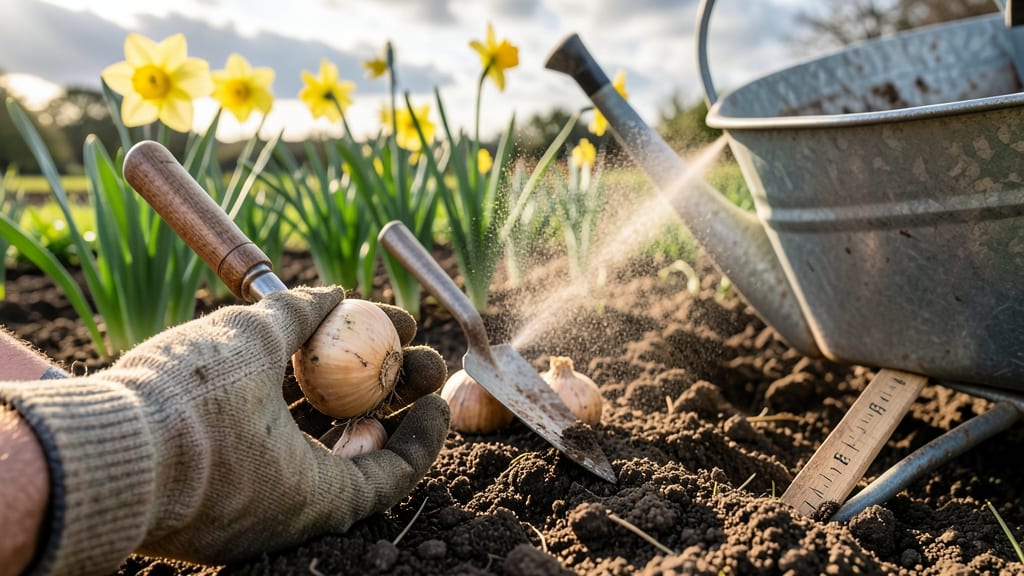
Planting daffodil bulbs 🌼 at the wrong time in Southern California can mean skipping next spring’s vibrant blooms entirely. Unlike colder climates, your 9b-11 zone gives you a longer window—but timing still matters to trigger those cheerful flowers.
The key is planting between October and December, when soil cools below 60°F and before winter rains soak the ground. Coastal areas (like 10a) can plant slightly later, while inland deserts (9b) need to get bulbs in sooner to avoid heat stress.
Once planted, these hardy bulbs need minimal care—just deep watering and a layer of mulch to protect them from occasional frost. With the right timing, your daffodils will reward you with months of color from March through May.
Let’s break down exactly how to time it right for your microclimate, from soil prep to post-planting tips that keep your daffodils thriving year after year.
Southern California daffodil planting calendar: best months by microclimate
Southern California’s mild winter climate creates perfect conditions for daffodils, but the exact planting window depends on your microclimate. Coastal areas like San Diego and Santa Barbara stay warmer longer, while inland valleys like Los Angeles and Riverside experience cooler nights earlier.
Planting at the right time ensures strong root growth before winter rains arrive.
For coastal regions, aim to plant daffodil bulbs between mid-October and November when soil temperatures drop below 60°F. Inland areas should plant late October through December, as cooler nights arrive sooner.
The key is to get bulbs in the ground 4-6 weeks before the first consistent cold snap (below 40°F) hits your zone.
Soil temperature is your best guide—wait until it consistently stays between 50-55°F at 6 inches deep. In coastal areas, this often aligns with late October, while inland zones may need to wait until November.
Use a soil thermometer to check, or plant when nighttime lows regularly dip into the 50s°F range.
Here’s how coastal vs. inland planting windows compare, including ideal soil conditions and frost risk:
| Factor | Coastal (USDA Zone 10a) | Inland (USDA Zone 9b) |
|---|---|---|
| Best Planting Window | Mid-October – November | Late October – December |
| Soil Temperature | 50–55°F (6" deep) | 50–55°F (6" deep) |
| Frost Risk | Minimal (rare below 32°F) | Possible (December–January) |
| First Cold Snap | Late November | Mid-November |
| Post-Planting Care | Light mulch (1–2") | Heavy mulch (3–4") for frost protection |
| Watering Needs | Deep water every 10–14 days | Deep water every 7–10 days (drier soil) |
In coastal areas, daffodils often bloom earlier due to milder winters, while inland varieties may wait until late winter or early spring. To extend bloom time, choose late-blooming varieties like 'Ice Follies' or 'Tête-à-Tête', which handle Southern California’s warm winters better than traditional early bloomers.
Pro tip: If you miss the ideal window, January planting is still possible in coastal zones, but bulbs may struggle to establish roots before summer heat arrives. Inland gardeners should avoid planting after mid-December, as frost risk increases and soil dries out faster.
After planting, mulch heavily (2–4 inches) to insulate bulbs and retain moisture. Inland areas benefit most from straw or pine needles, while coastal gardens can use wood chips. Remove mulch in early spring to prevent overheating as temperatures rise.
Monitor your daffodils for early sprouting in warm winters—this can weaken bulbs. If shoots appear too soon, provide light shade with frost cloth until soil cools.
With the right timing, your daffodils will reward you with vibrant blooms from March to May, brightening gardens long after most winter flowers fade.
🌼
5 Critical signs your daffodil bulbs are ready for Southern California soil
Planting daffodil bulbs in Southern California requires careful timing to avoid weak growth or no blooms at all. Unlike cooler climates, our mild winters demand specific soil and environmental cues to ensure success.
The key is planting when bulbs are firm, soil is cool, and winter rains are imminent—but not too late.
First, check the bulb quality. Healthy daffodil bulbs should feel firm and plump, with no soft spots or mold. If they’re shriveled or have sprouts already, they may not survive transplanting. Store-bought bulbs often arrive in dormant but viable condition, ready for fall planting.
Next, assess the soil temperature. Daffodils need soil to cool below 60°F—ideally between 50-55°F—to trigger root growth. Use a soil thermometer or wait for October’s first chill before planting. Coastal areas may need to plant slightly later than inland zones.
Look for early rainfall patterns. Southern California’s winter rains signal the perfect time to plant. If you’ve had consistent light showers (1-2 inches total), your soil is likely moist enough for bulbs to establish roots without drying out.
- 🌱 Bulbs feel firm with no soft spots or mold
- 🌡️ Soil temp drops below 60°F (ideal: 50-55°F)
- 🌧️ First winter rains (1-2 inches total)
- ⏰ Plant before December 15 (coastal) or November 15 (inland)
- 🌿 No active sprouts (wait if bulbs are already growing)
Avoid the common mistake of planting too early in warm soil. If you dig and the soil feels above 65°F, bulbs may sprout prematurely and rot. Wait for cooler temps or use shade cloth to protect newly planted bulbs until soil temps drop.
Finally, check for local frost dates. Even in SoCal, inland areas can get light frosts. Plant at least 4-6 weeks before the average first frost (usually mid-December in valleys) to give roots time to establish. Coastal gardeners have until late December.
With these signs in mind, your daffodils will thrive in Southern California’s unique climate—delivering vibrant blooms come spring! 🌼