
Plants
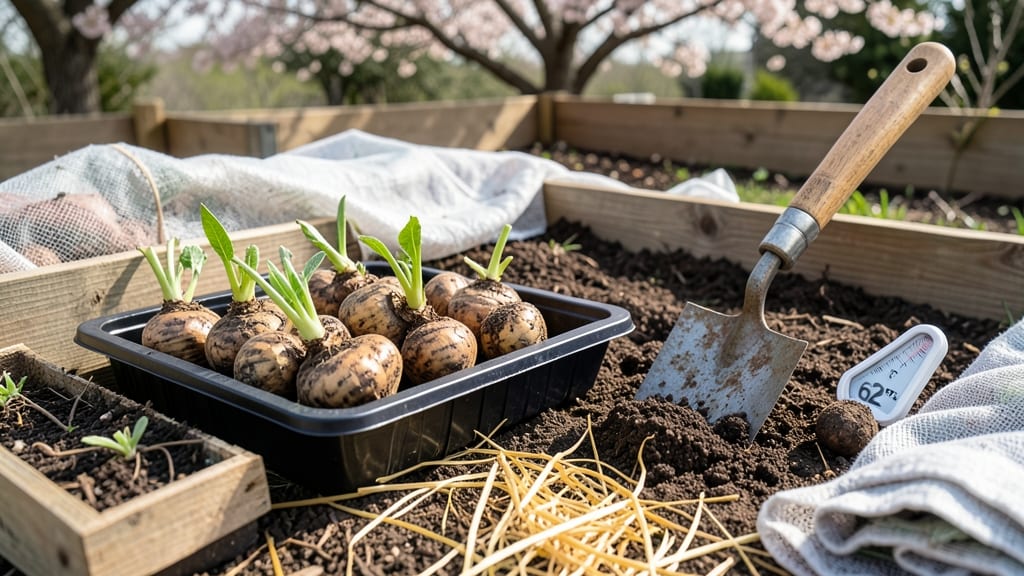
Planting your dahlias at the wrong time in California can mean wilted blooms before they even begin—or worse, no flowers at all. The key?
Knowing whether you're in a coastal zone where February planting works or an inland desert area where May is your last chance before summer heat takes over.
I’ve grown dahlias in both coastal San Diego and the Central Valley, and the difference in timing is everything. Coastal gardeners can start as early as February, while inland growers must wait until soil warms to 60°F (usually late April or May).
Get this right, and you’ll enjoy stunning 🌸 blooms from July to October—no matter where you live in the Golden State.
But timing isn’t just about the calendar—it’s about soil temperature, frost risk, and heat tolerance. I’ll break down the exact frost-free deadlines for your region, plus pro tips for adjusting planting time to beat heat or chase early blooms. Ready to turn your garden into a dahlia paradise?
Whether you’re starting from tubers or seeds, this guide covers everything you need to know—so you can finally stop guessing and start growing bold, healthy dahlias that thrive all season long.
California dahlias planting deadlines by zone: coastal vs inland frost-free dates
California’s diverse climate means your dahlias planting deadline depends on whether you live near the coast or inland. Coastal areas like San Francisco and Los Angeles enjoy milder winters, while inland regions like Sacramento and the Central Valley face earlier heat waves.
Understanding your USDA zone and last frost date is key to avoiding frost damage or heat stress.
For most of California, dahlias should be planted 4-6 weeks after your last frost date when soil temperatures hit 60°F (15°C). Coastal gardeners can start as early as February, while inland growers should wait until March or April to avoid premature heat stress.
Urban areas may also experience microclimates—city heat islands can delay frost dates by weeks compared to rural zones.
In coastal California, where USDA zones 9-10 dominate, you can plant dahlias as early as mid-February in sheltered microclimates. However, areas like Santa Cruz or Monterey may experience late frosts into March, so wait until February 15 to be safe.
Coastal gardeners also benefit from a longer blooming season—up to 120 days—if planted correctly.
For inland regions, such as the Central Valley or Sacramento area, the window narrows significantly. Dahlias must be in the ground by late April to avoid summer heat stress, which can scorch leaves and reduce blooms.
Inland gardeners should prioritize heat-tolerant varieties like 'Café au Lait' or 'Thomas Edison', which handle 90°F+ temperatures better than delicate types.
Soil temperature is just as critical as air temperature. Dahlias won’t thrive until the soil reaches 60°F (15°C), even if daytime highs are warmer. Use a soil thermometer to confirm readiness—planting too early in cool soil leads to rotten tubers and stunted growth.
In cooler inland valleys, like Eureka, this might not happen until mid-April.
Urban gardeners face unique challenges due to heat islands. Concrete and asphalt absorb heat, raising soil temperatures by 5-10°F compared to rural areas. To mitigate this, use reflective mulch or plant dahlias in raised beds with organic matter to insulate roots.
In Los Angeles, for example, I’ve seen dahlias planted in March thrive where rural neighbors struggled with the same varieties.
One common mistake is assuming all of California is the same. While San Diego and Palm Springs share similar USDA zones (10a-11), their planting windows differ by 6 weeks.
Desert areas can plant as early as February 1, while coastal San Diego should wait until mid-February to avoid coastal fog burns on tender new growth.
To extend your blooming season, consider staggered planting. Start with heat-tolerant varieties in March, then add cooler-climate types in April. This ensures continuous color from summer through fall
How to adjust dahlias planting time for early blooms or late-season heat
California’s diverse microclimates let you fine-tune dahlia planting for longer bloom seasons. Inland gardeners can start tubers indoors 6-8 weeks before last frost (typically mid-February) to jumpstart growth.
Coastal growers enjoy a 2-4 week extension by planting tubers directly in late February or March when soil warms to 60°F. The key is matching your strategy to your zone’s heat tolerance thresholds—some varieties wilt under 95°F+ afternoons.
For heat-sensitive varieties like ‘Café au Lait’ or ‘Arabian Night,’ use shade cloth (30-50%) during peak summer. Stagger planting by 2-3 weeks to create a continuous bloom cascade from July through October.
My go-to method is cutting tubers into sections with at least one eye per piece and planting them at different times—this ensures flowers don’t all open at once and gives you a prolonged display.
- 1
- 2
- 3
- 4
- 5
My favorite heat-tolerant varieties for inland areas include ‘Thomas Edison’ (orange) and ‘Happy Single’ (yellow)—both handle 100°F+ temps better than fanciers. For coastal gardens, prioritize early-blooming types like ‘Bishop’ or ‘Karma Choc’ to capitalize on the longer growing season.
Always mulch heavily (3-4 inches of straw or wood chips) to keep roots cool and retain moisture during California’s dry spells.
If you’re in Zone 10a (desert regions), focus on late-summer planting (August-September) for fall/winter blooms. Dahlias here thrive with afternoon shade and daily watering—think of them as heat-loving annuals rather than spring-planted perennials.
I’ve seen stunning displays in Palm Springs gardens using this approach, with dahlias blooming until December!
Pro tip: Label your tubers before cutting and planting—this helps track which varieties you’ve staggered. For example, plant ‘Galaxy’ (pink) tubers March 1, ‘Café au Lait’ (cream) March 15, and ‘Arabian Night’ (deep red) April 1.
This creates a colorful progression that keeps your garden vibrant all season. Pair with companion plants like salvias or coreopsis to fill gaps between dahlia blooms.
Remember, dahlias are not frost-tolerant—even coastal varieties will die back with temps below 32°F. In Zone 9b-10a, dig up tubers after first frost (usually November-December) and store them in dry peat moss or sand at 40-50°F for next year.
This one-time effort saves you money and ensures you can replant the same varieties annually.