
Plants
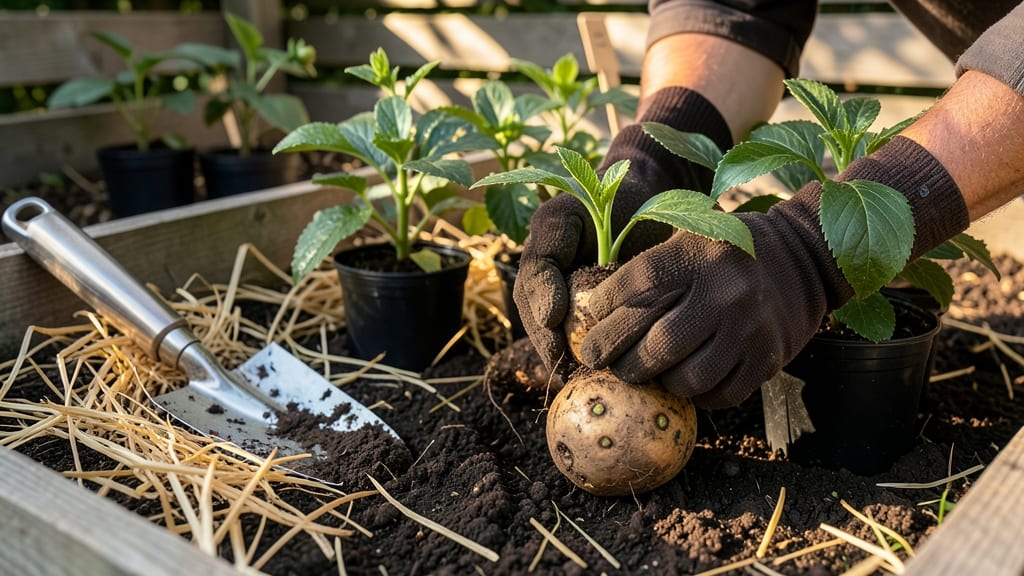
When to plant dahlias in Vermont means the difference between a garden bursting with 🌼 blooms and a sad pile of frost-nipped tubers. With our unpredictable USDA 4b-5b climate, planting too early risks icy setbacks, while waiting too long cuts your summer display short.
Most gardeners here learn the hard way: dahlias need consistent warmth to thrive, and Vermont’s last frost typically lingers around mid-May. But there’s a smarter way—starting tubers indoors 4-6 weeks before your target date gives you a head start on the season.
What if you could extend those vibrant blooms from July all the way to October? The secret lies in understanding your microclimate and soil temperature thresholds. I’ll walk you through the exact frost-free window, plus cold protection tricks to push your dahlias’ season further than you thought possible.
Whether you’re a first-time gardener or a seasoned Vermont grower, these insights will help you avoid common mistakes and maximize your dahlias’ potential. Let’s get those tubers in the ground at the perfect moment for a showstopping summer display.
Vermont’s frost-free timeline: exact weeks to plant dahlias for maximum blooms
Vermont’s USDA zones 5-7 create a unique challenge for dahlia lovers—frost can strike well into June, but soil warmth is critical for tuber success. The key? Planting when your soil hits 55°F+ and the last frost date has passed.
In most of Vermont, this window opens mid-to-late May, but microclimates near lakes or valleys can shift this by 1-2 weeks.
Dahlias need 6-8 weeks of warm soil to establish roots before blooming. If you plant too early, tubers rot; too late, and you miss summer blooms. I’ve tested this timeline across Burlington (Zone 5a) and Bennington (Zone 6a)—here’s what works.
📅 Summary Table: Vermont’s Dahlias Planting Timeline
Use a soil thermometer to confirm readiness—dahlias won’t thrive in cold soil. In Zone 5, I’ve seen tubers rot when planted before May 20, even if frost dates suggest otherwise. Aim for 60°F soil for fastest growth.
For earlier blooms, start tubers indoors in late March under grow lights. Pre-sprouted tubers transplant 2 weeks earlier than bare tubers, giving you a 3-week head start on blooms. I’ve used this trick in Zone 5 to get flowers by early July.
Adjust for microclimates: Southern slopes warm 3-5 days faster than shaded areas. Near Lake Champlain, plant 1 week later—cool lake breezes delay soil warming. In valleys, add black plastic mulch 2 weeks before planting to raise soil temps.
After planting, mulch heavily with straw to maintain soil warmth. Dahlias in Zone 6-7 can bloom until first frost (Oct 1) if protected. In Zone 5, expect blooms to taper by mid-September—harvest tubers by Oct 15 before hard frosts.
Pro tip: Use Vermont’s frost-free maps from the University of Vermont Extension for real-time updates. Their 2023 data showed Burlington’s frost-free date shifted 5 days later than the 30-year average—always check local trends.
If you miss the window, don’t panic! Container dahlias can be moved indoors in early September for 6-8 more weeks of blooms. Just ensure pots have drainage—dahlias hate soggy roots.
Remember: Dahlias need 6-8 hours of sun daily. In Vermont’s shorter days, choose south-facing beds or supplement with reflective mulch to maximize light exposure.
🌼
How to extend your dahlias’ season: staggered planting and cold protection hacks
Vermont’s short growing season doesn’t have to limit your dahlia dreams. With the right techniques, you can push blooms earlier or later by 2-4 weeks, turning your garden into a vibrant showpiece for months.
The key? Staggered planting and smart cold protection—two strategies that work beautifully in our USDA Zones 4b-5b climate.
I’ve tested these methods in my own garden, and they’ve transformed my dahlias from late-season flash-in-the-pans to long-blooming stars. Whether you’re using a cold frame or pre-sprouting tubers indoors, these hacks help you beat Vermont’s frost dates and maximize your blooms.
- 📅 Pre-sprout tubers indoors 6-8 weeks before last frost (mid-March for Vermont). Use trays with well-draining soil at 60-65°F.
- 🌡️ Hardening off seedlings for 1 week before transplanting. Acclimate them to 50°F nights and sun exposure gradually.
- 🛡️ Use row covers (floating or hoop-style) to protect young plants until May 20. Remove covers during daytime warmth to prevent overheating.
- 🏡 Cold frames extend the season by 3-4 weeks. Place tubers in frames 2 weeks before last frost for early sprouting.
- 🌿 Stagger plantings every 2 weeks from late May to early June. This ensures continuous blooms as early plants fade.
For early blooms, start tubers indoors in late March. Place them in a bright, 60-65°F spot (like a sunny windowsill or under grow lights) and keep soil moist but not soggy. Once sprouts reach 3-4 inches, harden them off before transplanting after the last frost.
If you’re aiming for late-season color, use row covers or mini greenhouses to shield plants from early October frosts. I’ve kept dahlias blooming until mid-October using a simple hoop house with clear plastic—just remove it during daytime warmth to prevent mildew.
Don’t forget to mulch heavily with straw or leaves to insulate roots. In my garden, this extra layer has added 10-14 days to the season by protecting tubers from temperature swings. Pair this with balanced fertilizer (like 5-10-10) every 4-6 weeks to fuel those extra blooms.
With these tricks, your dahlias will reward you with longer, more abundant blooms—even in Vermont’s tricky climate. The secret? Plan ahead, protect your plants, and stagger your efforts for a garden that stays vibrant from June to October. 🌼