
Plants
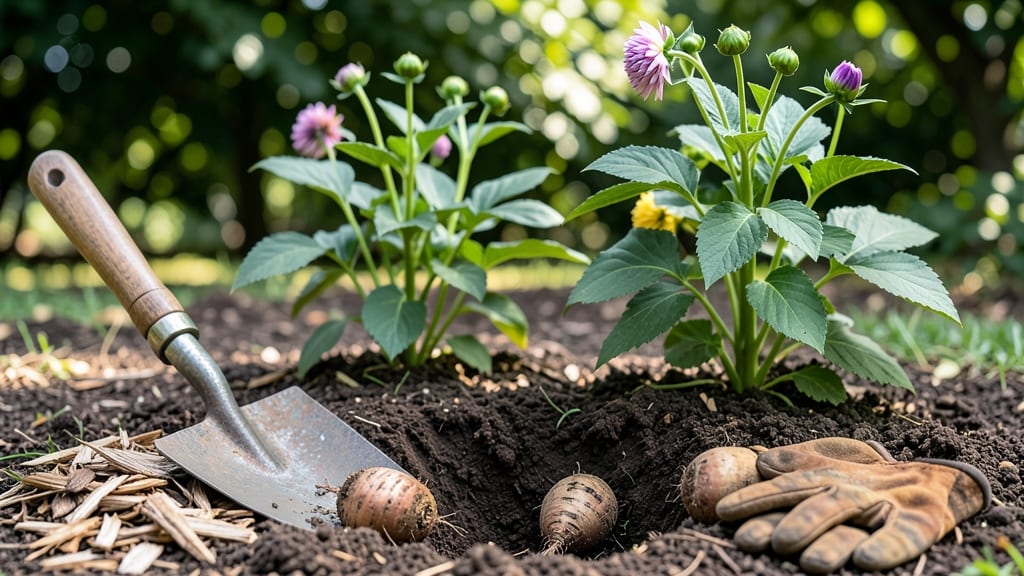
Planting dahlias in Zone 6 at the right time means the difference between showstopping blooms and sad, stunted 🌼 stalks. Those vibrant flowers won't magically appear if you put tubers in the ground too early—cold soil and late frosts will hold them back for weeks.
Most gardeners in Zone 6 wait until mid-to-late May when nighttime temperatures consistently stay above 60°F. This timing aligns with when your soil warms enough to encourage root growth, but before summer's heat stresses young plants.
Getting this window right is the key to avoiding the most common dahlia mistakes.
Here's what you need to know: whether to start tubers indoors, how to tell when your microclimate is truly frost-free, and the exact soil conditions that signal "go time." I'll walk you through each step so you can plant with confidence and enjoy those dramatic blooms from August through October.
Let's cut through the guesswork and get your dahlias thriving with a foolproof planting schedule tailored for Zone 6's unpredictable spring weather.
Optimal planting timeline for dahlias in Zone 6 based on soil and temperature
Dahlias thrive in Zone 6 when planted at the right time, but the 60°F nighttime soil temperature threshold and last frost dates create a narrow window for success. Planting too early risks frost damage to tender tubers, while waiting too long can delay blooms until late summer.
Understanding your specific Zone 6 subregion (6a vs. 6b) is critical—even a few weeks can make the difference between robust growth and stunted plants.
In Zone 6a (colder), where average last frost dates fall around April 15-May 1, dahlias should wait until mid-to-late May when soil consistently stays above 60°F at night.
Meanwhile, Zone 6b (warmer) gardeners can plant as early as early-to-mid May, provided nighttime temps remain above 55°F to prevent chilling injury.
🌼
To pinpoint your exact planting date, check the USDA Plant Hardiness Zone Map and overlay it with your local frost dates. For example, Chicago (Zone 6a) typically plants in late May, while Raleigh (Zone 6b) can start as early as mid-April in protected microclimates.
Use a soil thermometer to confirm temps—dahlias won’t thrive until the soil stays above 60°F consistently.
If you’re unsure about your exact microclimate, err on the side of caution. Waiting until late May ensures your dahlias avoid late-spring frosts, which can blacken leaves and stunt growth.
For extra insurance, use frost cloth or plant near south-facing walls that absorb and radiate heat during the day.
🌡️
Regional variations within Zone 6 also play a role. Coastal areas like Portland, Oregon may experience milder springs, allowing earlier planting, while inland areas like Des Moines, Iowa often need to wait until after Memorial Day.
Pay attention to weekly temperature forecasts—a sudden cold snap can devastate newly planted tubers.
For gardeners in Zone 6a, consider starting tubers indoors in late March to give them a head start. Place them in bright, cool conditions (60-65°F) and transplant outdoors once nighttime temps stabilize. This 2-3 week jumpstart can mean 3-4 weeks earlier blooms compared to direct outdoor planting.
🌱
One common mistake is relying solely on calendar dates rather than soil temperature. A 50°F soil in April might feel warm to the touch, but dahlias need 60°F+ to thrive.
Use a digital soil thermometer and check temps at 10 AM and 4 PM for accuracy. If your soil hasn’t warmed enough by mid
How to prepare dahlia tubers for planting in Zone 6 gardens
Preparing dahlia tubers properly is the foundation for vibrant blooms and healthy plants in your Zone 6 garden. Unlike seeds, tubers store energy for growth, but they need careful handling to avoid rot or dormancy issues.
I’ve learned that skipping these steps often leads to weak stems or delayed flowering—don’t let that happen to your dahlias!
Start by inspecting your tubers for any signs of soft rot or mold. Healthy tubers should feel firm and have visible "eyes" (growth points). If you find mushy spots, trim them away with a clean knife and dust the cuts with cinnamon or sulfur to prevent infection.
This simple step can save your entire batch!
⚠️ callout warning ⚠️
Planting dahlias too early—before soil temps hit 60°F—risks frost damage or stunted growth. In Zone 6, aim for mid-to-late May (after your last frost, typically April 15). If your area has late frosts, consider chitting tubers indoors 4-6 weeks before transplanting.
Pro Tip: Use a soil thermometer to confirm warmth—dahlias won’t thrive in cold soil!
Next, practice chitting (pre-sprouting) tubers to give them a head start. Place tubers in a shallow tray with the eyes facing up, and position them in bright, indirect light (like a sunny windowsill). Keep the tray slightly damp but not soggy—this encourages early root growth without overstressing the tuber.
Hardening off is another critical step before outdoor planting. Once sprouts reach 2-3 inches tall, move the tray outside for 4-6 hours daily, gradually increasing exposure. This acclimates tubers to Zone 6’s variable spring temps, preventing shock when you plant them in the garden.
When planting, bury tubers 4-6 inches deep with the eyes facing up. Space them 12-18 inches apart to allow room for mature foliage. A common mistake is planting too deep, which can delay emergence or cause rot. After planting, water deeply to settle the soil and encourage root establishment.
Finally, mulch around the base with 2-3 inches of straw or shredded leaves to retain moisture and regulate soil temperature. This is especially important in Zone 6, where temperature swings can stress young plants. With these steps, your dahlias will thrive and bloom spectacularly all season! 🌼