
Plants
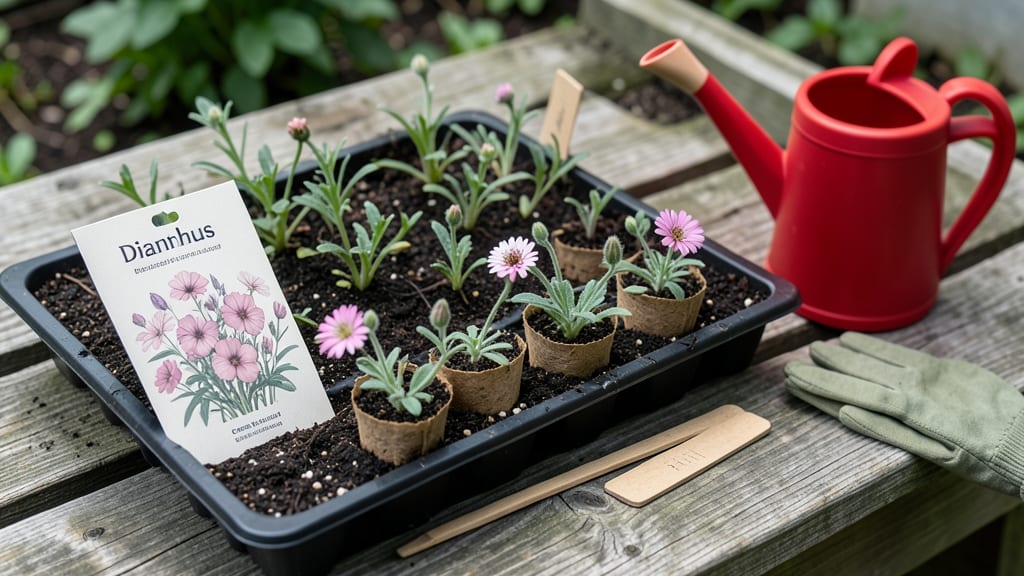
Planting Dianthus seeds 🌸 in Australia isn’t just about picking a month—it’s about outsmarting your local climate’s tricks, whether that’s sneaky late frosts in Melbourne or scorching heatwaves in Perth.
Get this timing wrong, and your delicate seedlings could end up as crispy snacks or frostbite victims before they even bloom.
I’ve seen gardeners in Sydney swear by February starts, only to watch their seedlings wilt under March’s sudden heat. Meanwhile, Tasmanian growers know August’s chill can turn their seeds into popsicles.
The key? Understanding your region’s frost-free deadlines and microclimates—coastal areas stay milder longer, while inland spots can swing from freezing to baking in weeks.
What if I told you the perfect window isn’t just “spring” or “autumn”? It’s August–October for cooler zones and February–March for warmer ones, with soil prep tricks to give your seeds the head start they need.
Let’s break down exactly when—and how—to plant for vibrant blooms, not botanical disasters.
From direct sowing to indoor germination hacks, I’ll share the game-changer tips I’ve tested across Australia’s diverse climates. No more guessing—just science-backed timing to turn your garden into a Dianthus paradise.
Australia’s best dianthus planting zones by climate & frost risk
Australia’s diverse climate zones—from tropical Queensland to alpine Victoria—create wildly different planting windows for dianthus seeds. In cool temperate zones like Melbourne, frost risks delay sowing until late September, while subtropical Sydney gardeners can start as early as February.
Even within cities, microclimates (e.g., coastal vs. inland) shift deadlines by weeks. Mastering these zones ensures your dianthus thrives without frost damage or heat stress.
Dianthus seeds need consistent soil temperatures between 15–20°C (59–68°F) to germinate. In alpine areas (e.g., Tasmania), wait until soil warms in November after frost risks pass. Meanwhile, Perth’s Mediterranean climate demands autumn planting by late March to avoid summer dormancy.
Without this precision, seeds either rot from cold soil or dry out before sprouting.
Here’s how to align your planting with Australia’s five key climate zones, including frost-free deadlines and heatwave escape strategies:
In Melbourne’s temperate zone, I always start dianthus seeds indoors by late August to give seedlings a head start before transplanting after the last frost in October. The key is monitoring the Bureau of Meteorology’s frost forecasts—a late frost in September can wipe out unprotected plants.
For extra safety, I use frost blankets until soil temperatures stabilize above 10°C (50°F).
Sydney’s subtropical climate lets you sow directly outdoors in February, but watch for heatwave warnings—temperatures above 35°C (95°F) can halt germination. I’ve learned to pre-soak seeds for 24 hours and use seedling trays with shade cloth until true leaves appear.
Coastal areas like Byron Bay may need earlier planting due to humidity delays in seedling growth.
For tropical Queensland, timing aligns with the dry season. I plant dianthus in May–June when rains ease and soil dries slightly. The challenge? Termites love young seedlings—so I use termite-resistant pots or elevated trays.
In Cairns, I also avoid planting near monsoon-prone areas, as waterlogging kills dianthus roots within days.
Getting your dianthus seeds in the ground at the right time in Australia isn’t just about following a calendar—it’s about reading your local climate like a pro. Soil temperature, daylight hours, and microclimates (coastal vs. inland) create a perfect storm that dictates when your seeds will thrive or fail. For example, coastal areas like Sydney enjoy milder winters, while inland spots like Canberra face harsher frosts. Ignoring these factors can turn your dianthus germination into a costly gamble. First, let’s talk soil temperature. Dianthus seeds need a consistent 15–20°C (59–68°F) to sprout—any colder, and they’ll sit dormant; too hot, and they’ll rot before emerging. In most of Australia, this means waiting until late spring (September–October) for outdoor sowing, unless you’re in tropical Queensland, where February–March works better. Always check soil temps with a thermometer—don’t guess! Next, daylight hours play a sneaky role. Dianthus loves 12+ hours of light daily, which aligns with Australia’s spring and autumn seasons. Planting in summer risks heat stress, while winter sowing often means stunted growth from weak sunlight. Use a sunlight tracker or local weather app to confirm your region’s daylight trends before committing. Now, let’s tackle microclimates. Coastal gardens near Melbourne or Perth stay warmer and wetter, while inland areas like the Riverina or Wimmera swing between scorching days and freezing nights. Even within cities, a north-facing slope can be 5°C warmer than a shaded backyard. Test your spot for 3–5 days before planting—if it’s too windy or waterlogged, adjust your timeline or choose a sheltered area.
Pro Tip: Start seeds indoors 6–8 weeks before outdoor planting to extend your season!
Don’t overlook pre-planting soil prep. Dianthus hates soggy roots, so mix in coarse sand or perlite to improve drainage. If your soil is clay-heavy (common in Victoria or South Australia), add organic matter like compost to lighten it. A quick pH test is worth it too—dianthus thrives in 6.0–7.0. Adjust with lime (to raise pH) or sulfur (to lower it) if needed. Finally, local frost dates are your secret weapon. Use the Bureau of Meteorology’s frost maps to find your region’s last frost date. In Tasmania or the Victorian Highlands, this could be as late as November, while Northern NSW might be frost-free by June. Planting too early risks frost damage to tender seedlings, while waiting too long may delay blooms. Balance is key! By mastering these 4 critical factors—soil temp, daylight, microclimate, and frost risk—you’ll turn your dianthus seeds from a gamble into a guaranteed garden showstopper. Grab your checklist, test your spot, and get ready for bold blooms all season! 🌸Critical factors that determine your dianthus planting timeline
✅ Your Dianthus Planting Checklist