
Plants
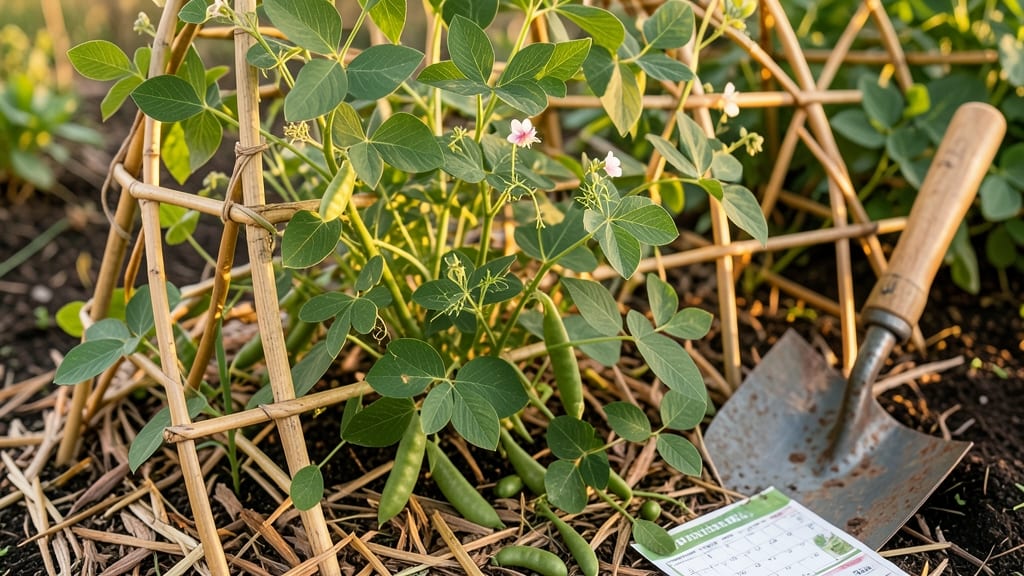
Planting Dixie Lee peas 🌱 at the wrong time in North Carolina can mean the difference between a bountiful harvest and wasted effort. Unlike traditional peas that bolt in summer heat, this variety thrives in warmer conditions—but only if you follow the exact planting window for your region.
Most gardeners in zones 7a-8b assume spring is the only option, but Dixie Lee peas actually perform better when sown in late summer for a fall harvest. The key is avoiding both early frosts and scorching heat, which can stunt growth or cause the plants to shut down too soon.
I’ve tested these peas across North Carolina’s microclimates, and the best results come from planting in July-August for fall crops or early spring (February-March) for summer harvests. With the right timing, you’ll enjoy tender pods from May through October—no guesswork required.
Ready to skip the trial-and-error? I’ll walk you through the precise months, soil prep tricks, and even how to stretch your harvest with succession planting. Let’s get those Dixie Lee peas in the ground the right way.
Best planting months for Dixie Lee peas in NC: avoiding frost and heat stress
Dixie Lee peas love North Carolina’s warmth but despise frost and midday heat stress. Unlike traditional cool-season peas, this variety thrives in hotter temperatures, making timing critical. Plant too early, and frost will kill tender seedlings. Too late, and July heatwaves can scorch young vines before they produce. The key? Two distinct planting windows tailored to NC’s microclimates.
North Carolina spans USDA zones 7a-8b, but regional differences matter. Coastal areas (like Wilmington) have milder winters and longer growing seasons, while the Mountains (Asheville) face earlier frosts.
The Piedmont (Raleigh) sits in between. For all regions, soil temperature must reach 60°F+ for germination—waiting for this cue prevents slow starts.
Soil temperature is your best friend. Use a soil thermometer to confirm readiness. In Coastal NC, soil warms by mid-March, while Mountain regions may need to wait until late April. For late-summer plantings, aim for July-August when daytime highs peak but nights stay warm enough to protect young plants.
For spring plantings, wait until 2-3 weeks after your average last frost date. In Raleigh, that’s typically mid-March, while Asheville gardeners should hold off until early April. Use row covers if nights dip below 40°F to protect seedlings without smothering them.
Late-summer plantings (July–August) are your safety net for a fall harvest. Dixie Lee peas handle 90°F+ days better than most varieties, but shade cloth (30-50%) helps during peak afternoon heat. Plant seeds 1 inch deep and keep soil moist until germination (5–10 days). Once established, they’ll tolerate drought-like conditions better than most peas.
If you’re in Coastal NC, you can even squeeze in a third planting in early September for a winter harvest. These peas handle light frosts (down to 25°F) once mature, making them ideal for extended-season gardening.
Just avoid planting when soil temps drop below 50°F, or seeds may rot.
Pro tip: Test your soil’s pH before planting—Dixie Lee peas prefer 6.0–7.0. Amend with lime if your soil is too acidic (common in Mountain regions) or sulfur if it’s alkaline (common in Coastal areas).
A well-draining, compost-rich bed gives these peas the nutrient boost they need to thrive in NC’s humid summers.
Watch for heat stress signs like yellowing leaves or drooping vines—these mean it’s time to provide afternoon shade or increase watering frequency. With the right timing, you’ll enjoy sweet, tender pods from May through October, depending on your planting strategy.
Remember: Dixie Lee peas are heat-tolerant, not heat-loving. Balance sun exposure with shade breaks during July-August
How to extend Dixie Lee peas’ growing season in NC: succession planting tips
North Carolina’s long, hot summers and mild winters create perfect conditions for multiple Dixie Lee pea harvests. The key? Succession planting—sowing seeds in staggered batches to keep your garden producing fresh pods from spring through fall.
With this method, you’ll avoid the pitfall of a single, overwhelming harvest while maximizing your garden space.
Dixie Lee peas are heat-tolerant but still need protection from late-season drought and early morning frost in NC’s cooler regions. By planting in 2-week intervals, you’ll ensure a steady supply of tender peas when they’re most flavorful.
This approach also helps prevent overcrowding and disease spread, which can plague dense pea patches.
- 📅 First Planting: Late February to early March (after last frost risk). Ideal for spring harvests in May-June.
- 📅 Second Planting: Mid-April to early May. Targets late spring harvests before summer heat peaks.
- 📅 Third Planting: Late July to early August. Perfect for fall harvests in September-October.
- 📅 Fourth Planting (Optional): Mid-August. Extends harvest into early October in warmer NC regions.
To protect your young Dixie Lee pea vines from pests like bean beetles and cucumber beetles, pair them with companion plants such as radishes, carrots, or onions.
These plants naturally repel pests while adding diversity to your garden. Additionally, mulching with straw helps retain soil moisture during NC’s dry summer months and keeps roots cool.
When handling late-season heat, focus on morning watering to reduce evaporation and avoid overhead irrigation after sunset to prevent fungal diseases. Dixie Lee peas thrive in 60-70°F soil temperatures, so if your late summer plantings face 90°F+ days, provide light shade during peak afternoon hours.
This simple adjustment can double your yield by preventing heat stress.
Harvest your Dixie Lee peas when pods reach 2-3 inches long and are firm but tender. Regular harvesting encourages more production, so check your plants every 2-3 days during peak harvest seasons.
If you notice yellowing leaves or stunted growth, it may signal overcrowding—thin seedlings to 2-3 inches apart for optimal air circulation and growth.
With these succession planting tips, you’ll enjoy a continuous harvest of sweet, crisp Dixie Lee peas all season long—no more wasted effort or missed opportunities in your NC garden! 🌱🌿