
Trees
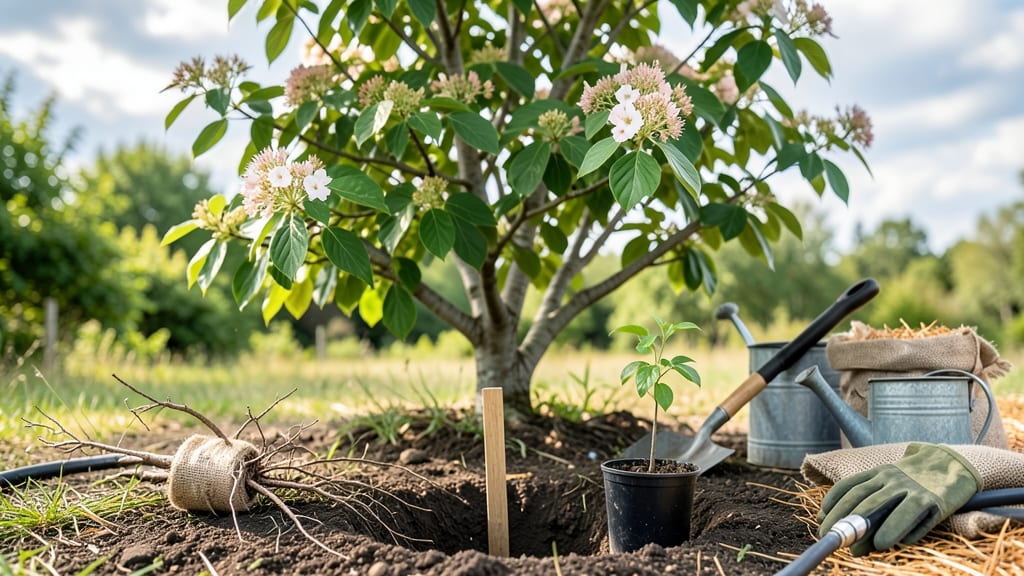
Planting your dogwood tree 🌳 at the wrong time in Georgia can mean the difference between a stunning spring bloomer and a struggling sapling fighting for survival. The key to success lies in understanding when the conditions are just right—because Georgia’s climate isn’t forgiving for out-of-season transplants.
Most gardeners in USDA Zones 7a-8b swear by late fall to early spring as the ideal window, but why? Cooler soil temperatures reduce stress on roots, and Georgia’s October-March window gives young trees time to establish before summer heat arrives.
I’ll break down exactly what this means for your planting timeline.
If you’re torn between fall and spring, you’re not alone—both have pros and cons. Fall planting often gives dogwoods a head start on root growth before winter dormancy, while spring offers slightly warmer soil. But here’s the catch: Georgia’s unpredictable late frosts can turn a spring planting into a gamble.
Let’s dive into the best practices for each season, plus soil prep and post-planting care to ensure your dogwood thrives from day one. You’ll leave here with a clear plan tailored to Georgia’s unique climate challenges.
Best time to plant dogwood trees in Georgia: fall planting advantages over spring
If you're planning to add a dogwood tree to your Georgia landscape, fall planting offers the best chance for success. The cooler temperatures and higher moisture levels of autumn create ideal conditions for root establishment before winter dormancy.
Unlike spring planting, fall gives your dogwood a head start on growth without competing with summer heat stress.
Georgia's USDA hardiness zones 7a-8b experience mild winters, but the key advantage of fall planting (September–November) is the cooler soil temperatures. This reduces transplant shock and allows roots to grow steadily without the stress of summer droughts or freezing winter soils.
For Piedmont regions, aim for late September to early October, while coastal areas can plant slightly later, up to November.
Here’s why fall planting outperforms spring in Georgia’s climate:
Before planting in fall, prepare your dogwood tree’s site by amending the soil with 2–3 inches of compost to improve drainage. Dogwoods thrive in slightly acidic soil (pH 4.5–6.0), so test your soil and adjust with sulfur if needed.
For container-grown dogwoods, remove the pot and loosen the roots gently to encourage outward growth.
After planting, mulch around the base with 3–4 inches of organic mulch (like pine straw or wood chips) to retain moisture and regulate soil temperature. Water deeply once a week for the first month, ensuring the root ball stays moist but not waterlogged.
Avoid overwatering, as soggy soil can suffocate roots.
In coastal Georgia, where humidity is higher, plant slightly later (October–November) to avoid fungal diseases like powdery mildew, which thrive in warm, damp conditions. For Piedmont regions, late September to early October is ideal, as the soil stays cool longer and frost arrives later.
One common mistake is planting too close to large trees or buildings, which can compete for water and nutrients. Dogwoods need 6–10 feet of space for their mature size (15–35 feet tall).
If planting near a patio or driveway, choose a dwarf variety like ‘Cherokee Brave’ or ‘Rutledge’, which stay under 15 feet.
Fall-planted dogwoods often flower more vigorously the following spring because their roots have established deeply during the cooler months. By contrast, spring-planted trees may struggle with summer heat and require more frequent watering.
If you must plant in spring, do so in February–March and monitor for signs of stress like yellowing leaves or wilting.
For the best results, plant bare-root dogwoods in winter (November–February) when they’re dormant, but if you’re using container-grown trees, fall is still the best window. Avoid planting in summer or late fall (December–January), as the soil may be too cold or frozen in some Georgia regions.
With the right timing and care, your dogwood tree will reward you with stunning spring blooms and year-round interest. Whether you’re in Savannah’s coastal climate or Athens’ Piedmont hills, fall planting gives your dogwood the best start for a long, healthy life. 🌳🍂
Spring planting dogwood trees in Georgia: a risky alternative with key conditions
While fall planting is ideal for dogwood trees in Georgia, spring planting can work under very specific conditions. The window for success narrows to February through early March, when soil temperatures remain cool but frost risks persist.
This timing allows young roots to establish before Georgia’s brutal summer heat sets in—though it’s a gamble against late-winter freezes and drought stress.
Georgia’s USDA Zones 7a–8b create unique challenges for spring planting. Coastal areas may experience milder winters, while Piedmont regions face harder freezes. Even a single late frost can damage tender new growth, so timing is everything.
For container-grown dogwoods, spring planting offers flexibility, but bare-root trees demand precise conditions to thrive.
⚠️ Spring Planting Risks for Dogwoods in Georgia
- Late frost damage: New growth can’t survive temps below 28°F.
- Drought stress: Spring droughts dehydrate shallow roots before establishment.
- Transplant shock: Hot, dry winds increase water loss in young trees.
Spring planting requires constant moisture monitoring and frost protection—or risk losing your investment.
To maximize success, plant dogwoods in February’s last week or early March when soil temperatures hover between 50–60°F. Amend the planting hole with compost-rich soil to retain moisture and improve drainage.
Water deeply immediately after planting and maintain 1–2 inches of mulch around the base to lock in moisture and regulate soil temperature.
Monitor your tree’s progress with these warning signs of transplant failure: yellowing leaves (nutrient deficiency), wilting despite watering (root rot or drought stress), or stunted growth (poor soil conditions).
If you notice these, adjust your watering schedule or amend the soil with organic matter. A light fertilizer application in early spring can also boost recovery.
Protect your dogwood from Georgia’s unpredictable late freezes by wrapping the trunk with burlap or frost cloth during cold snaps. Young trees are especially vulnerable, so consider installing a tree guard to shield them from wind and sun scorch.
With these precautions, spring-planted dogwoods can establish strong roots before summer arrives.
Remember, spring planting is a secondary option—fall remains the gold standard. But if you must plant in spring, act fast, water wisely, and protect against frost to give your dogwood the best chance at survival.
With the right conditions, your tree could thrive for decades, providing shade and beauty to your Georgia landscape.