
Plants
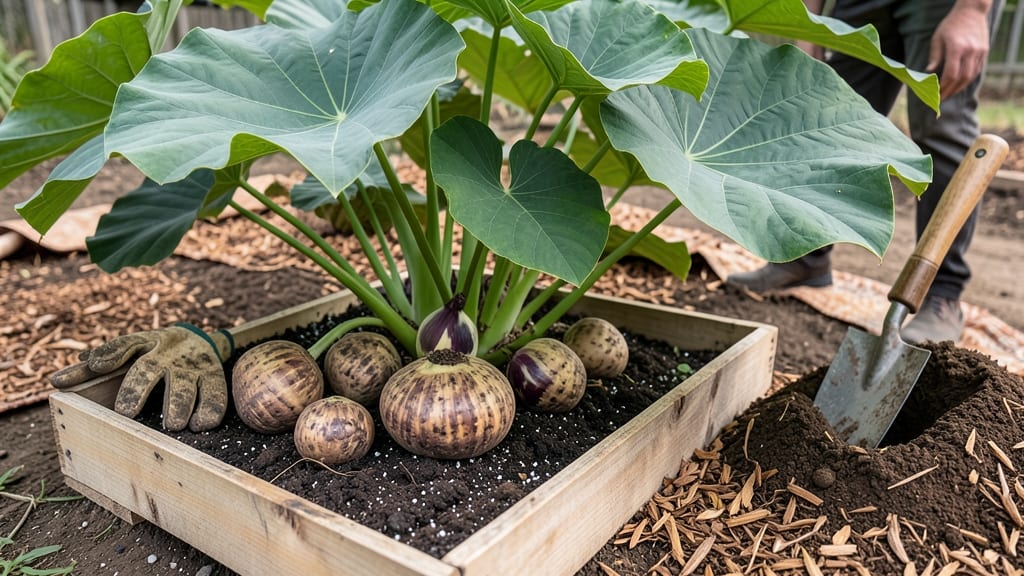
Planting elephant ears 🌿 in Oklahoma isn’t just about waiting for spring—it’s about catching that sweet spot between frost risk and scorching heat. Get the timing wrong, and you’ll either lose your tubers to late freezes or watch your leaves crisp under the summer sun.
Most gardeners in USDA Zones 6a-7b know the struggle: soil might be workable by late March, but frost can still sneak in until mid-April. That’s why mid-April to early May is your golden window—when soil warms to 60°F+ and the last frost has (hopefully) passed for good.
Here’s the game-changer: whether you’re planting tubers, nursery starts, or even seeds, the soil temperature matters more than the calendar date. I’ll show you how to check it and adjust your schedule—because Oklahoma’s unpredictable weather means flexibility is key.
Ready to grow elephant ears that dominate your garden with bold, heat-resistant foliage? Let’s break down the exact steps to plant them at the perfect moment—no guesswork, just thriving plants.
Oklahoma’s best planting windows for elephant ears by hardiness Zone
Timing your elephant ears (Colocasia) correctly in Oklahoma means the difference between vibrant, heat-tolerant foliage and wilted disappointment. Since Oklahoma spans USDA Zones 7a-8a, your planting window varies—especially with our unpredictable spring frosts and scorching summer heat.
The key? Wait until soil temperatures hit at least 60°F and all frost risk has passed.
Most Oklahoma gardeners aim for mid-April to early May in Zone 7a, while those in Zone 8a can start as early as late March—but only if you’re using tender tubers or nursery starts.
Seedlings are more sensitive to cold, so wait until May 1st if starting from seed. Microclimates matter too: Urban heat islands in Oklahoma City may need a 2-week delay compared to rural areas.
Here’s a quick reference for Oklahoma’s planting zones and their ideal windows, including soil temperature thresholds and last-frost averages:
| USDA Zone | Last Frost Date | Soil Temp Threshold | Best Planting Window | Notes |
|---|---|---|---|---|
| 7a (N. OK) | April 15 | 60°F+ | Mid-April to early May | Wait for soil to warm; use black plastic mulch to speed up heat absorption. |
| 7b (Central OK) | April 1 | 60°F+ | Late March to early April | Protect with frost cloth if late frosts occur; ideal for tubers. |
| 8a (S. OK) | March 15 | 55°F+ | Late February to March | Early planting risks heat stress; prioritize shade after establishment. |
If you’re planting elephant ear tubers, soak them in lukewarm water for 24 hours before planting to encourage root growth. For nursery starts, harden them off for 3-5 days before transplanting to avoid shock.
My go-to trick? Plant tubers 1 inch deep in well-draining soil mixed with compost, then cover with 2-3 inches of mulch to retain moisture and regulate soil temperature.
Oklahoma’s summer heat can be brutal for elephant ears, so partial shade (especially afternoon shade) is critical. Varieties like ‘Black Magic’ handle heat better than ‘Illustris’, but all benefit from daily deep watering once established.
I’ve seen leaf scorch within weeks when plants are stressed—so don’t skip the mulch!
For gardeners in Zone 7a, consider container growing to extend your season. Pots warm up faster in spring and can be moved to shadier spots during peak summer. Just ensure containers have drainage holes and use lightweight potting mix to prevent root rot.
My 5-gallon containers work well for single tubers, and I move them under a patio cover if a heatwave hits.
One common mistake? Planting too early and skipping soil temperature checks. Use a soil thermometer—if it’s below 60°F, your tubers won’t sprout. I’ve had rotten tubers from planting in 50°F soil in March.
Patience pays off: Wait for consistent warmth, and your elephant ears will reward you with bold, glossy leaves all summer long.
Pro tip: Mark your calendar for June 1st—that’s when Oklahoma’s heat domes typically lock in. By then, your elephant ears should be well-established with 6+ inches of growth. If you plant after this, expect slower growth and more watering needs to compensate for the heat.
Finally, don’t forget that Oklahoma’s microclimates can shift planting windows by 2-3 weeks. Check your local CoCoRaHS station for frost data, and when in doubt, plant a week later. Your elephant ears will thank you with dramatic, tropical foliage that’s the envy of the neighborhood.
How to adjust planting timing for Oklahoma’s unpredictable weather patterns
Oklahoma’s weather can shift from late spring frosts to scorching summer heat faster than you can say "elephant ear." If you’ve ever watched your tender tubers wilt from unexpected cold snaps or bolt into dormancy too soon, you know the struggle.
The key is proactive adjustments—like soil warming, strategic mulching, and flexible planting schedules—to keep your Colocasia thriving despite Mother Nature’s mood swings.
First, check your local frost dates—Oklahoma’s USDA Zones 7a-8a average last frosts between mid-April and early May, but rural areas like western Oklahoma can delay by weeks.
If you’re itching to plant early, use row covers or cold frames to protect young tubers until the soil hits 60°F consistently. This small step can shave off critical weeks of uncertainty.
⚠️ callout-warning ⚠️
Even hardy elephant ear varieties (like Colocasia 'Black Magic') can suffer if temperatures dip below 40°F. Oklahoma’s panhandle regions (Zone 7a) face higher frost risk—wait until May 10th minimum to plant. Use soil thermometers ($15 at garden centers) to verify warmth before committing to tubers.
Pro Tip: Plant container-grown starts instead of tubers—they warm up faster and bounce back from mild cold snaps better.
For early heatwaves, delay planting until late May or June and focus on shade protection. Choose varieties like 'Illustris' or 'Hope and Glory', which tolerate 90°F+ temperatures better than standard types.
Pair this with 3-4 inches of mulch (straw or wood chips) to insulate roots and retain moisture during Oklahoma’s 100°F+ drought spells.
If drought looms, opt for raised beds with moisture-retentive soil amendments (like coconut coir). Water deeply once a week rather than daily—this encourages deep root growth, which helps elephant ears withstand Oklahoma’s intense afternoon sun. Add a 5-gallon bucket around each plant to automate care during heatwaves.
Don’t forget alternative planting schedules: In Oklahoma’s urban heat islands, shade from buildings can create microclimates where elephant ears thrive even in July plantings. Test a small batch of tubers in partial shade—you might discover your own extended growing season without frost worries.
Just monitor for leaf scorch (brown edges) and adjust watering immediately.
With these strategies, you’ll turn Oklahoma’s unpredictable weather into an advantage. Your elephant ears will reward you with bold foliage from June through October, even when your neighbors’ gardens wilt in the heat. Happy planting!