
Plants
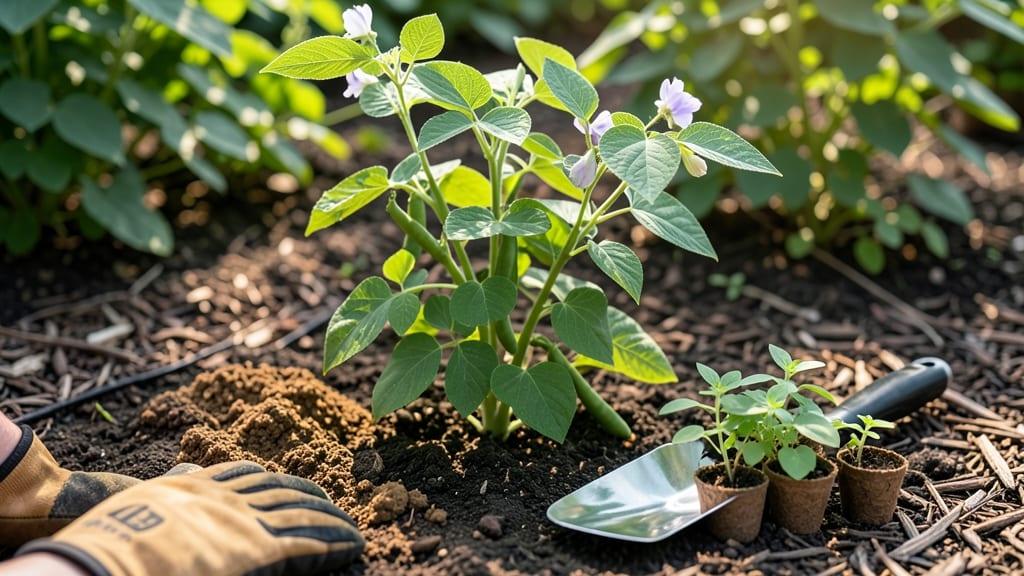
Planting fall green beans in Missouri means nailing that sweet spot between soil warmth and frost risk—get it wrong, and you’ll either wait forever for germination or watch your crop vanish overnight.
The key isn’t just checking the calendar; it’s understanding how Missouri’s 5b-6b climate shifts from stifling summer heat to chilly autumn nights, and how to work with that.
Most gardeners in Missouri start planting 🌱 green beans in late August, but the real magic happens when soil temperatures hit 60°F+—that’s your signal to get seeds in the ground. Too early, and sluggish growth sets in; too late, and frost cuts your harvest short before beans even mature.
I’ll show you how to time it perfectly, whether you’re in St. Louis, Kansas City, or rural zones where microclimates can shift your window by weeks.
Here’s the game-changer: fast-maturing varieties like ‘Blue Lake’ or ‘Kentucky Wonder’ give you the 50-day harvest window you need to beat frost, but even they demand precision.
We’ll break down how to read your local frost dates, adjust for Missouri’s late-summer heat retention, and avoid the 3 biggest mistakes that turn promising plantings into flops.
Ready to grow a bumper crop of crisp, homegrown beans? Let’s dive into the soil science, frost math, and pro tips that’ll have your garden thriving well into October—no guesswork, just results.
Missouri’s fall green bean planting timeline based on soil temperature
Green beans thrive when planted in warm soil, and Missouri’s fall conditions create a narrow window for success. The magic number is 60°F soil temperature—below that, seeds rot; above that, they germinate in 7-10 days.
Most gardeners focus on frost dates, but soil warmth is the real gatekeeper for fall plantings. In Missouri’s USDA Zones 5b-6b, this means timing shifts dramatically between urban heat islands and rural areas.
Missouri’s microclimates play a huge role. St. Louis and Kansas City experience urban heat islands that can delay frost by 1-2 weeks compared to rural areas. Meanwhile, southern Missouri (like Springfield) often enjoys 2-3 extra weeks of growing time.
Testing your soil’s warmth with a soil thermometer (or even your finger—warm but not hot) ensures you plant at the perfect moment.
Here’s the golden rule: Plant 4-6 weeks before your first expected frost date, but only when soil hits 60°F+. For most of Missouri, this lands in mid-August to early September.
Rural areas may start as early as late July, while urban heat islands might push planting to early September. The key is balancing soil warmth with the remaining frost-free window.
Missouri’s first frost dates vary wildly. St. Louis typically sees frost by October 20, while Kansas City averages October 15. Rural areas in the Ozarks can hold off until November 1.
To maximize your harvest, choose fast-maturing varieties like 'Blue Lake' (50 days) or 'Kentucky Wonder' (55 days). These give you the best shot at a full harvest before frost.
Don’t rely on air temperature alone—soil stays warm long after evenings cool down. A black plastic mulch can add 5-10°F to soil warmth, extending your planting window by up to 2 weeks.
This is especially useful in northern Missouri, where soil cools faster. Even a simple dark-colored row cover can make a difference in holding heat.
If you’re unsure about your local frost date, check the Missouri State Climatologist’s office or use the Almanac’s frost calculator. For extra insurance, plant a succession crop every 2 weeks in August.
This ensures a steady harvest even if early plantings get nipped by frost. Just be sure to harden off seedlings properly before transplanting—cold nights can shock young plants.
One common mistake is planting based on air temperature alone. A crisp 70°F morning might feel perfect, but if the soil is still 55°F, your seeds will fail to germinate.
Use a soil thermometer for 3 days to confirm warmth before planting. If your soil is too cool, wait—your patience will pay off with a vigorous harvest.
For container gardening, soil warms up faster in pots, so you can plant 1-2 weeks earlier than in-ground. Just ensure your containers have drainage holes and use a heat-retaining fabric (like black plastic) around
How to calculate your local frost-free window for fall green beans
Missouri’s USDA Zones 5b-6b give us a 165-day frost-free window, but calculating your exact fall planting window requires more than just checking a calendar.
Late-summer heat lingers longer in urban areas like St. Louis than in rural farmland near Kansas City, creating microclimates that shift your ideal planting date by 2-3 weeks. Start by verifying your average first frost date—typically October 20—then work backward with these key adjustments.
Your green beans need 50-60 days to mature after planting, but soil warmth in Missouri’s late summer can accelerate germination.
For example, 'Blue Lake' beans (50-day variety) planted August 15 in St. Louis might harvest by October 5, while the same planting in Columbia (cooler microclimate) could push harvest to October 15. The trick? Adjust for your local heat retention—urban areas stay warmer longer.
Here’s how to calculate your exact window using Missouri’s climate quirks:
- Check your local USDA frost map—Missouri’s average first frost ranges from October 10 (Zone 6b) to October 25 (Zone 5b).
- Adjust 2-3 days earlier for urban areas (heat islands delay frost) or 3-5 days later for rural elevations.
- Subtract 50-60 days (maturity time) from your frost date. Example: October 20 - 55 days = August 26 (ideal for 'Kentucky Wonder').
- For soil warmth, test temperature with a soil thermometer—aim for 60°F+ at 2" depth before planting.
- Urban areas (St. Louis, Kansas City): Plant 7-10 days earlier—heat retention extends growing season.
- Rural/hilly areas (Ozarks): Plant 7-10 days later—cooler soils delay germination.
- 'Blue Lake' (50 days): Best for August 15–30 plantings in most of Missouri.
- 'Kentucky Wonder' (55 days): Ideal for August 1–15 in cooler microclimates.
Missouri’s late-summer heat retention is your secret weapon—urban gardens can push harvests 10-14 days later than rural areas. For example, my St. Louis garden successfully grows 'Blue Lake' beans until November 1 using black plastic mulch to trap warmth.
Test your soil’s heat retention by planting test rows 1 week apart in August to see which dates yield the fastest germination.
Pro tip: Use row covers to extend harvests by 2-3 weeks after your calculated frost date. I’ve added lightweight covers to my September 15 plantings and harvested Kentucky Wonder beans well into early November—just remove covers during the day to prevent overheating.
Pair this with succession planting every 10-14 days in August for a continuous harvest.
Remember, soil temperature is your real deadline, not the calendar. If your soil stays above 60°F into mid-September, you can push plantings to September 1 for a late-October harvest. Always monitor 7-day forecasts—a sudden cold snap can turn a 50-day variety into a 30-day gamble.
When in doubt, plant 1-2 weeks earlier than your calculation to ensure a full harvest before frost.