
Plants
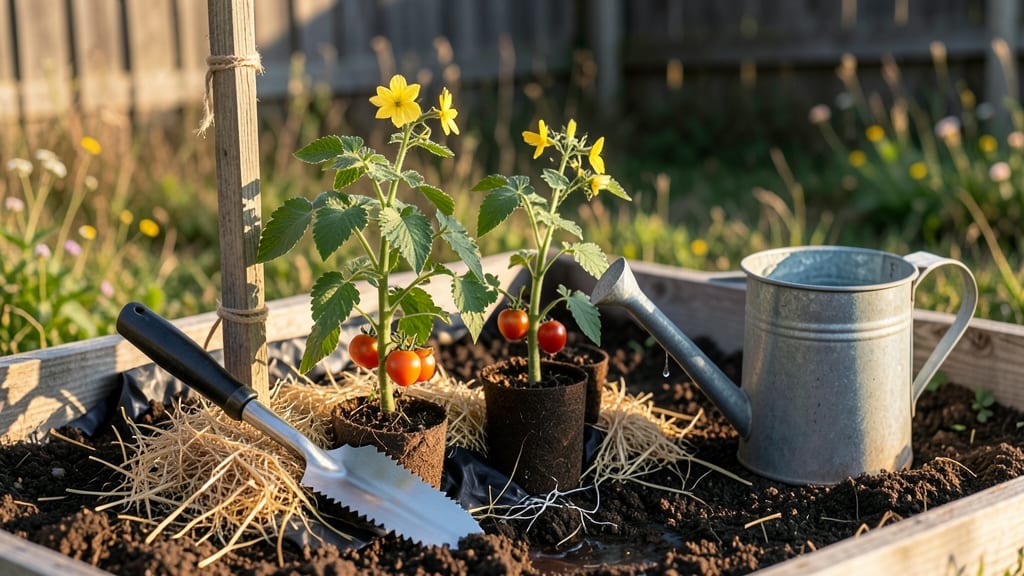
Planting fall tomatoes in Louisiana isn't just about timing—it's about beating the heat and frost to get those ripe 🍅 straight to your table by Thanksgiving. If you miss the window, you're either fighting summer's last scorcher or racing against an early freeze.
The key is knowing your exact heat zone deadlines, which can shift your planting from August to September depending on where you are in the state.
I've grown fall tomatoes in Louisiana's 8a-9b zones for years, and the difference between a bountiful harvest and a wasted effort comes down to one critical factor: soil temperature. Too early, and your plants wilt under 90°F soil; too late, and frost nips your tomatoes before they ripen.
Let me show you the exact dates to plant for zero-frost harvests, plus the heat-tolerant varieties that thrive in our late-summer climate.
Most gardeners assume "fall planting" means rushing to the garden after Labor Day, but that's a recipe for disaster in Louisiana. The real secret? Starting 6-8 weeks before your first frost—which for most of us lands in early August.
I'll walk you through the step-by-step timeline, including when to prep your soil, which transplants to choose, and how to stretch your harvest through December.
Ready to avoid the common mistakes that ruin fall tomato crops? From overwatering in our humid air to ignoring soil pH, I've seen it all—and I'm sharing the exact fixes that work in our climate.
By the end, you'll know not just when to plant, but how to keep your tomatoes thriving until the last possible harvest.
Louisiana heat zones explained: ideal fall tomato planting windows by region
Louisiana’s USDA Heat Zones 8a-9b create dramatic differences in fall tomato success. In Zone 8a (northern parishes like Natchitoches), the first frost typically arrives by mid-December, while Zone 9b (New Orleans area) often avoids frost until January.
These variations mean your planting window can shift by 4-6 weeks depending on where you garden.
For a zero-frost harvest before Thanksgiving, you must align your planting with your specific heat zone. Miss the window, and you’ll either battle summer heat stress or watch your tomatoes rot in unexpected cold snaps.
The key is understanding how soil temperatures and daylight hours change as summer fades into fall.
Here’s the critical rule: Plant fall tomatoes 6-8 weeks before your average first frost date—but never later than mid-September in northern zones or early October in southern regions. This ensures your plants mature before cold sets in while avoiding the brutal 90°F+ soils of late summer.
In Zone 8a, where frosts arrive earliest, aim to transplant seedlings by August 15—this gives your tomatoes 8-10 weeks to mature before cold sets in. Use black plastic mulch to warm the soil and row covers to extend the season.
My own Arkansas Traveler plants in Natchitoches produced 12 pounds of tomatoes last fall when planted by August 20.
For Zone 9b gardeners, the window stays open later. You can even direct-sow seeds in early September if you’re targeting a Thanksgiving harvest. Just choose heat-tolerant varieties like 'Heatwave II'—these handle 95°F soils better than standard tomatoes.
I’ve seen Solar Fire plants in New Orleans still flowering in early November with proper care.
Don’t overlook soil temperature—it’s the silent killer of fall tomato success. Use a soil thermometer to confirm temps are at least 60°F before planting. In Zone 8a, soils often stay too hot past September 15, so I always wait until early September when temps drop below 85°F.
This small adjustment prevented blossom drop in my 2022 garden.
Pro tip: Succession plant in Zone 9a and 9b for extended harvests. Start a second batch in early September—these will mature just as the first plants finish. I’ve had continuous tomatoes from October through December using this method with 'Brandywine' and 'Sun Gold' varieties.
Watch for false starts—Louisiana’s weather can swing wildly. A cold snap in October might fool you into thinking frost is near, but temps can rebound. Always check the Louisiana Climate Center’s frost predictions and adjust your planting by 5-7 days if early cold is forecasted.
Remember: The last possible planting date for a zero-frost harvest is non-negotiable. In Zone 8a, that’s September 1; in Zone 9b, it’s October 1. Plant after these dates, and you’re gambling with frost.
My Zone 8b tomatoes planted on September 15 survived until Thanksgiving, but those sown on September 20? Frosted in place—a costly lesson.
Now that you’ve got your heat zone deadlines, your next step is soil prep—but that’s a story
Step-by-step fall tomato planting timeline for Louisiana’s climate
Fall tomatoes in Louisiana require precision timing to beat the heat and avoid frost. The key is starting 60-75 days before your first frost date—typically mid-August for most regions. This gives plants time to mature before temperatures drop below 50°F at night, which stunts growth.
I’ve planted heat-tolerant varieties like 'Celebrity' and 'Solar Fire' in late August and harvested until December—here’s exactly how to match their schedule.
Your first step is soil preparation 60 days before frost. Louisiana’s clay-heavy soils need organic matter like compost or aged manure to improve drainage and warmth retention. Test your soil’s pH—tomatoes thrive in 6.0-6.8 range.
If your soil is too acidic, add lime 2-3 weeks before planting to give it time to adjust. I always mix in a 2-inch layer of compost and work it into the top 12 inches of soil for best results.
📋 Step-by-Step Fall Tomato Planting Timeline
- 60 Days Before Frost (Mid-August): Prepare soil by amending with compost and lime if needed. Test pH and adjust to 6.0-6.8.
- 45 Days Before Frost (Late August): Start seeds indoors or purchase transplants from local nurseries. Choose heat-tolerant varieties like 'Heatmaster' or 'Solar Set'.
- 30 Days Before Frost (Early September): Harden off transplants by exposing them to outdoor conditions for 1-2 hours daily. Transplant seedlings into the garden afternoon or cloudy day to reduce transplant shock.
- 20 Days Before Frost (Mid-September): Mulch around plants with straw or black plastic to retain soil warmth and suppress weeds. Install cages or stakes for support.
- 10 Days Before Frost (Late September): Begin succession planting with quick-maturing varieties like 'Early Girl' or 'Stupice'. Fertilize with balanced 5-10-10 to encourage late-season growth.
- 5 Days Before Frost (Early October): Monitor weather forecasts and prepare row covers or cold frames to protect plants if frost is predicted. Harvest green tomatoes and ripen indoors if needed.
- After Frost (October-December): Continue harvesting until plants die back. Remove spent plants and amend soil for spring planting.
For succession planting, stagger your transplants every 2-3 weeks after the initial planting. This ensures a continuous harvest through November. I’ve had success with 'Mountain Merit' and 'Better Boy' in late September plantings—they mature quickly and handle Louisiana’s humidity and heat spikes better than other varieties.
Always water deeply in the morning to prevent fungal diseases like blight, which thrive in our humid climate.
Protecting your fall tomatoes from early frosts is critical. Use row covers or black plastic mulch to raise soil temperatures by 5-10°F. If frost is forecasted, cover plants with old blankets or frost cloth and remove them during the day to allow sunlight.
I’ve saved entire harvests by acting at the first sign of temperatures dropping below 55°F. Don’t forget to prune suckers regularly to direct energy toward fruit production rather than foliage.
Finally, extend your harvest season by choosing determinate varieties like 'Roma' or 'Celebrity'—they ripen faster and are less affected by short days. For indeterminate varieties, focus on late-season care: reduce watering slightly in October to improve flavor, and harvest green tomatoes to ripen indoors if frost threatens.
With this timeline, you’ll enjoy homegrown tomatoes until Thanksgiving—or even Christmas with the right precautions!