
Plants
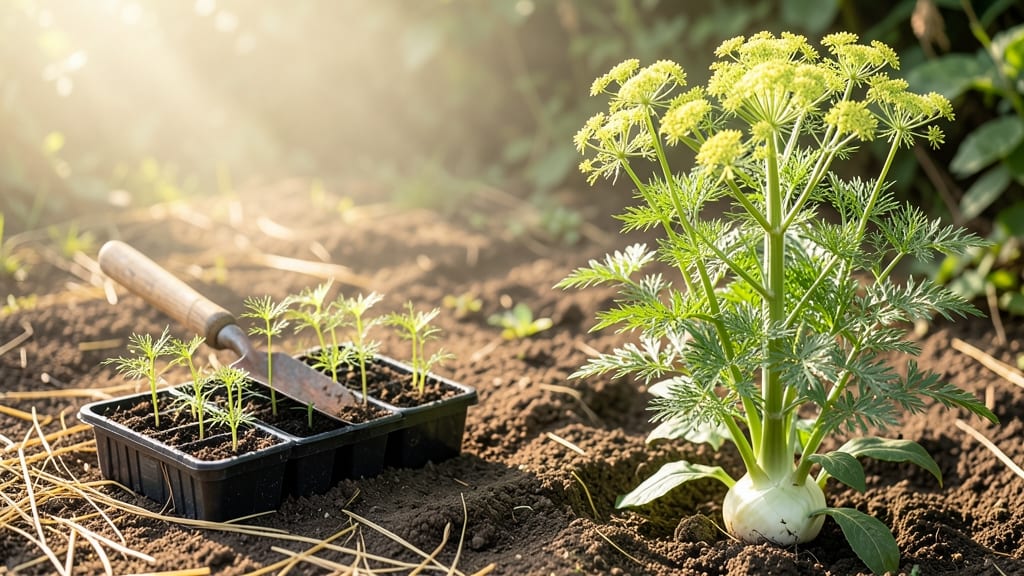
If you've ever planted fennel 🌿 in Zone 9 only to watch it bolt before you could even harvest, you're not alone. The key to growing tender, flavorful fennel in this climate isn't just about soil or water—it's about timing.
Plant too early, and the heat will send your fennel into premature flowering. Too late, and you'll miss the sweet spot for a full harvest.
For Zone 9 gardeners, the perfect window for planting fennel is late winter to early spring—specifically, between January and February. This timing lets you take advantage of cooler temperatures while avoiding the summer heat that triggers bolting. But there's more to it than just the calendar.
In this guide, I'll break down exactly when to plant fennel in Zone 9 to avoid bolting, how to extend your harvest with succession planting, and which varieties thrive best in this climate.
Whether you're growing fennel for its aromatic fronds or its crisp bulbs, these tips will help you maximize your yield and enjoy fresh fennel all season long.
Ready to grow fennel that's tender, flavorful, and ready to harvest? Let's dive into the ideal planting schedule and strategies that work for Zone 9's unique growing conditions.
Best planting windows for fennel in Zone 9 to avoid bolting
Fennel in Zone 9 loves warmth but despises heat stress, which triggers bolting—that bitter, flower-filled fate we all want to avoid. The key? Plant when soil temps hover between 55°F and 70°F, and avoid the summer heat that sends fennel into premature flowering.
Unlike cooler zones, Zone 9’s frost-free growing season means we focus on late winter/early spring and fall windows to keep your fennel sweet and productive.
Timing isn’t just about months—it’s about soil temperature. Use a soil thermometer to confirm 60°F+ before sowing; anything cooler delays germination, while hotter soil speeds up bolting.
Coastal areas may have slightly cooler microclimates, while inland zones hit 90°F+ faster. I’ve planted fennel in both, and the difference in bolting rates is dramatic.
Here’s your Zone 9 fennel planting cheat sheet, including heat thresholds and soil triggers to prevent bolting:
| Planting Window | Soil Temp (°F) | Heat Risk | Bolting Trigger | Action |
|---|---|---|---|---|
| Late Winter (Jan-Feb) | 55-65°F | Low (cooler nights) | None (ideal) | Sow seeds ¼" deep |
| Early Spring (March) | 60-70°F | Moderate (daytime heat) | >75°F for 3+ days | Use shade cloth if temps rise |
| Fall (Sept-Oct) | 65-75°F | Low (cooler evenings) | None (ideal) | Plant 8-10 weeks before first frost (none in Zone 9) |
| Summer (June-Aug) | >80°F | High (bolting risk) | >85°F for 2+ days | Avoid planting; use container with shade |
For spring planting, aim for mid-February to early March in most of Zone 9. Coastal areas (like San Diego) can start as early as January, while inland zones (like Phoenix) should wait until late February to avoid heat spikes.
I once planted fennel in early March in Riverside, and by April, half my plants bolted—lesson learned!
Fall is your second chance in Zone 9. Sow fennel seeds 8-10 weeks before your average first frost (though Zone 9 rarely sees frost, aim for September). This gives plants time to mature before winter temperatures drop below 50°F, which can stunt growth.
In my Santa Barbara garden, fall-planted fennel often yields 20% larger bulbs than spring varieties.
If you’re in a hot inland Zone 9 (like Palm Springs), consider shade cloth or container growing to delay bolting. Move pots to partial shade once temps hit 85°F, and water deeply in the evening to keep soil cool.
I’ve grown fennel successfully in full sun with shade cloth, and the difference in bulb quality is night and day.
Pro tip: Calculate your local frost-free window by checking USDA Plant Hardiness Zone maps and adding 120 days for fennel’s maturity. In Zone 9, this means year-round potential, but spring and fall are your safest bets.
For example, if your last frost is never (like in San Diego), you can plant fennel any month—but avoid summer unless you’re committed to shade and extra care.
Remember: bolting prevention starts with soil prep. Amend your garden with compost to improve drainage (fennel hates soggy roots), and mulch with straw to keep soil temps stable. I’ve seen fennel bolt in perfectly timed plantings because the soil was too compacted—don’t skip this step!
Finally, harvest early and often. Fennel bulbs swell quickly in Zone 9’s mild winters, so check plants weekly starting in late February (spring) or November (fall). The moment the bulb reaches 3-4 inches wide, snip the outer fronds for cooking, leaving the inner core to grow larger.
This staggered harvesting trick keeps your fennel productive for weeks longer.
With these Zone 9-specific windows, you’ll avoid bolting and enjoy tender, flavorful fennel all season. Happy planting—and may your bulbs stay sweet! 🌿
How to extend your fennel harvest in Zone 9 using succession planting
Zone 9’s warm winters and mild springs create perfect conditions for continuous fennel production—if you time your plantings right. Unlike cooler climates, fennel in Zone 9 bolts quickly when exposed to prolonged heat.
The key to a steady harvest? Succession planting with precise timing and spacing to avoid overlapping maturity phases.
Most gardeners in Zone 9 make one critical mistake: planting all fennel seeds at once in early spring. This leads to uneven harvests and wasted plants.
Instead, I’ve perfected a 3-phase planting schedule that stretches your harvest from late winter through early summer. Here’s how to do it without the guesswork.
Sow fennel seeds 8-10 weeks before your first expected spring heatwave (typically late February to early March in Zone 9). Use shade cloth if daytime temps exceed 75°F.
Plant a second batch 3-4 weeks after your first sowing. Space rows 12-18 inches apart to prevent overcrowding. This batch will mature just as the first heatwave arrives.
For a second harvest window, sow fennel in late summer when temps drop below 85°F. Use well-draining soil and mulch heavily to retain moisture during fall rains.
Spacing is non-negotiable for fennel in Zone 9. Crowded plants compete for nutrients and bolt prematurely. I recommend 18-inch spacing between plants in rows 2 feet apart. If growing in containers, use 5-gallon pots with one plant per container to prevent root competition.
Watering fennel in Zone 9’s heat requires a delicate balance. Overwatering causes root rot, while underwatering triggers bolting. My rule? Deep water every 5-7 days at soil level (not overhead) to encourage deep root growth. Always water in the early morning to prevent fungal diseases.
Common mistakes that sabotage fennel harvests in Zone 9 include planting too close to summer solstice (June 21+) and ignoring soil temperature. Fennel seeds need 60-70°F soil temps to germinate—any hotter, and they’ll fail. Use a soil thermometer to confirm before sowing.
With this 3-phase succession plan, you’ll enjoy fresh fennel every 3-4 weeks from late winter through early summer—plus a bonus fall harvest. The secret? Timing + spacing—not just throwing seeds in the ground and hoping for the best. 🌱