
Plants
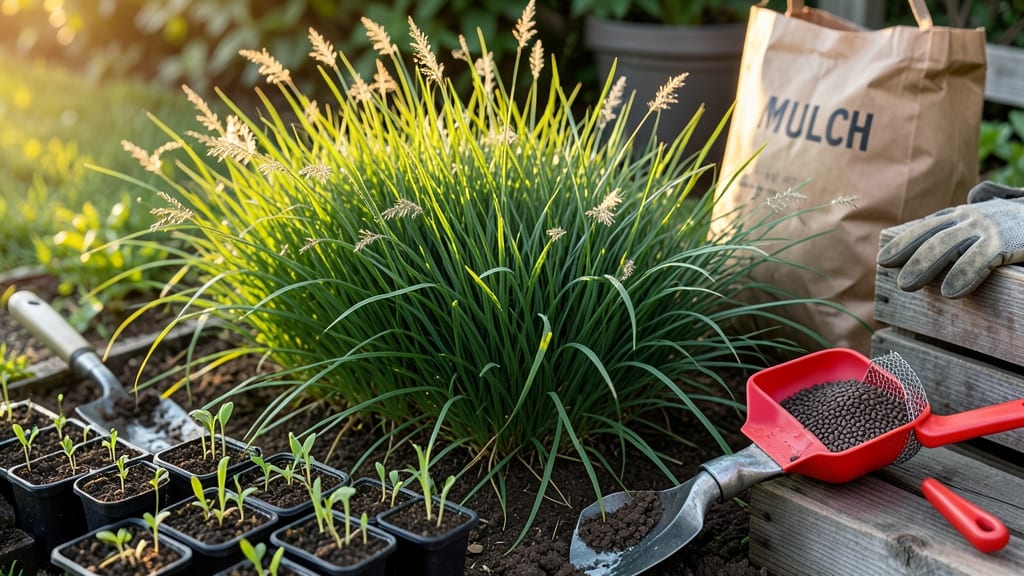
Planting fescue grass in Georgia at the wrong time can leave your lawn looking thin and struggling—especially when summer heat lingers or winter frost sneaks in early.
The sweet spot for deep root growth isn’t just late summer or early fall, but a precise window that aligns with Georgia’s 7a-9a climate zones.
I’ve seen too many gardeners rush the process, only to watch their seed wash away or wither under unpredictable Georgia weather. The key is timing it right—4-6 weeks before your first frost—so your grass establishes strong roots before winter sets in.
Whether you’re overseeding an existing lawn or starting fresh, this guide will help you navigate the best months (September through October) and avoid costly mistakes. Let’s break down exactly when to plant for a lush, resilient yard that thrives year-round.
From soil prep to regional adjustments, you’ll discover how to maximize your fescue’s potential—no guesswork, just proven results for Georgia’s unique growing conditions.
Optimal Georgia fescue planting window: month-by-month fall timeline
Georgia’s fall season offers the perfect conditions for planting fescue grass—cool air, moderate rainfall, and soil temperatures that encourage deep root growth. But timing matters: Plant too early, and summer’s heat will stress seedlings; too late, and winter’s chill will stunt establishment.
Let’s break down the ideal planting window month by month, tailored to Georgia’s climate zones and microclimates.
Fescue thrives when soil temps hover between 60°F and 75°F. In Georgia, this typically aligns with late August through October, but exact dates shift based on your region. Northern Georgia (USDA zones 7a-7b) has cooler soils earlier, while southern areas (zones 8a-9a) stay warm longer.
We’ll cover adjustments for both, plus how to handle early/late frost surprises.
September is the golden month for fescue planting across Georgia. In northern regions like Atlanta or Dahlonega, you can start as early as mid-August if soil temps drop below 80°F.
Use a soil thermometer to confirm—75°F or lower is ideal. For southern Georgia (Savannah, Macon), hold off until early September to avoid summer’s lingering heat stress.
Early September planting gives fescue 6-8 weeks to establish roots before winter slows growth. Aim to finish by mid-October in most areas, but northern Georgia can push to late October if your first frost is after November 1.
Check your local Cooperative Extension Service for frost date averages—this is your planting deadline.
Adjust for early/late years by watching weather forecasts. If summer lingers with 90°F+ temps into September, delay planting until soil cools. Conversely, if unseasonable cold arrives early, plant 4-6 weeks before the usual frost date. Mulch lightly (¼ inch) after planting to retain moisture and protect seedlings from temp swings.
Rainfall patterns also shift by month. September’s 3+ inches of rain reduce irrigation needs, while October’s drier spells mean you’ll need to water 2-3x weekly until roots establish. Always water deeply in the morning to prevent fungal diseases—never water at night, even if it’s convenient.
Pro tip: If you’re overseeding an existing lawn, time your planting with cool, rainy days to minimize stress. Mow your lawn short (1.5 inches) 2-3 days before seeding, then lightly rake to expose soil. Don’t skip soil prep—fescue needs good contact with the ground to germinate.
For new lawns, prepare your soil in late summer (August) by tilling 4-6 inches deep and amending with compost. Test your soil’s pH (6.0-7.0 ideal) and adjust with lime or sulfur if needed. Fall planting in
5 Signs your Georgia soil is ready for fescue (and 3 mistakes to avoid)
Planting fescue grass in Georgia requires more than just picking the right seed—your soil conditions play a starring role. Cool fall temperatures and proper moisture levels create the perfect environment for deep root growth, but timing is everything.
If you plant too early, summer heat will stress young seedlings, while waiting too late risks frost damage before establishment.
I’ve learned the hard way that rushing the process leads to patchy lawns and wasted seed. The key is waiting for soil temperatures to drop below 80°F and moisture levels to stabilize.
Here’s how to tell when your Georgia soil is truly ready for fescue—and what mistakes to steer clear of.
✅ When to Plant Fescue Grass in Georgia
- 1. Soil Temperature: Below 80°F (ideal range: 60-75°F) – Check with a soil thermometer in late afternoon. Warm soil above 85°F stresses seedlings.
- 2. Moisture Levels: Top 2-3 inches consistently damp (not soggy) – Press soil; it should hold shape but not feel wet. Drought conditions = poor germination.
- 3. pH Balance: 6.0-7.0 (test with a soil pH kit) – Georgia’s clay soils often skew acidic; lime may be needed for optimal growth.
- 4. Frost Window: 4-6 weeks before first frost (typically late September-October) – Seedlings need time to establish before winter chill.
- 5. Rainfall Forecast: 1 inch weekly (natural or supplemental) – Avoid planting during dry spells; young grass needs steady moisture.
Now that you know the ideal conditions, let’s talk about the three biggest mistakes I see Georgia gardeners make. First, planting during summer droughts—even if soil feels damp, extreme heat dries out seeds before they sprout.
Second, overseeding in late fall when nights dip below 50°F; seedlings won’t survive the cold snap. Finally, skipping soil prep—fescue thrives in loose, aerated soil, not compacted clay.
Pro tip: If your soil tests too acidic (pH below 6.0), apply pelletized lime 4-6 weeks before planting. I once had a client’s fescue struggle until we adjusted the pH—now his lawn is lush and green year-round. Don’t let soil issues derail your project!
One more critical check: test your soil’s organic matter. Georgia’s red clay often lacks nutrients, so amend with compost or a balanced fertilizer (10-10-10) before seeding. Healthy soil = stronger grass that outcompetes weeds naturally.
With these signs in mind, you’ll know exactly when to plant for a thick, resilient fescue lawn that stands up to Georgia’s climate.
Remember, patience pays off. Rushing the process might save time now, but it’ll cost you in thin patches and weak growth later. Take the time to prep your soil—your lawn will thank you for years to come. 🌱